Africa’s Cybersecurity Leaders and Laggards
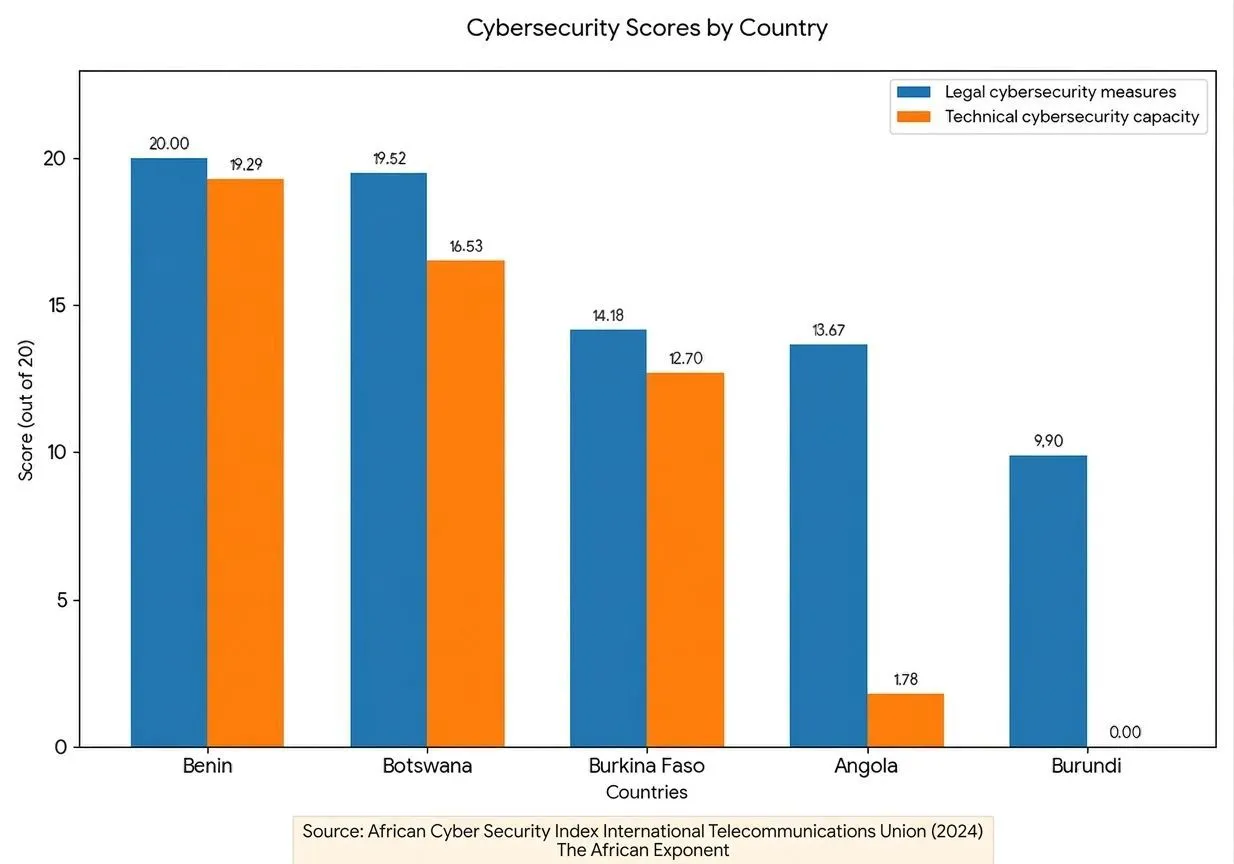
Benin and Botswana have emerged as leaders in African cybersecurity by successfully bridging the gap between passing laws and building the technical infrastructure to enforce them.
Africa-focused analyst writing on sovereign debt, global partnerships, and strategic competition on the continent. My work explores how China–Africa and U.S.–Africa relations influence development, entrepreneurship, and long-term economic growth.
Benin and Botswana have emerged as leaders in African cybersecurity by successfully bridging the gap between passing laws and building the technical infrastructure to enforce them.
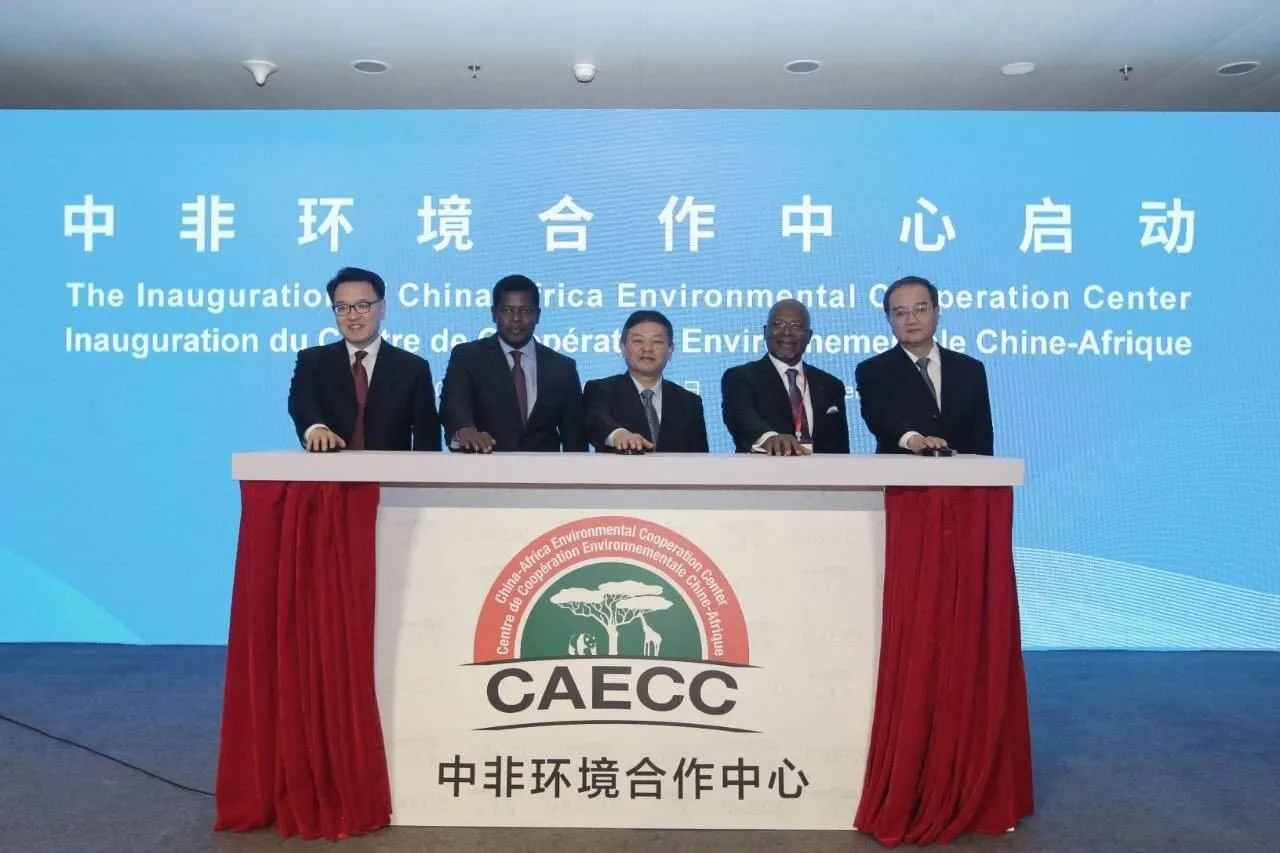
China’s industrial expansion in Africa has gone beyond investment in infrastructure and natural resources to include manufacturing, a sector increasingly central to the continent’s industrialization ambitions.
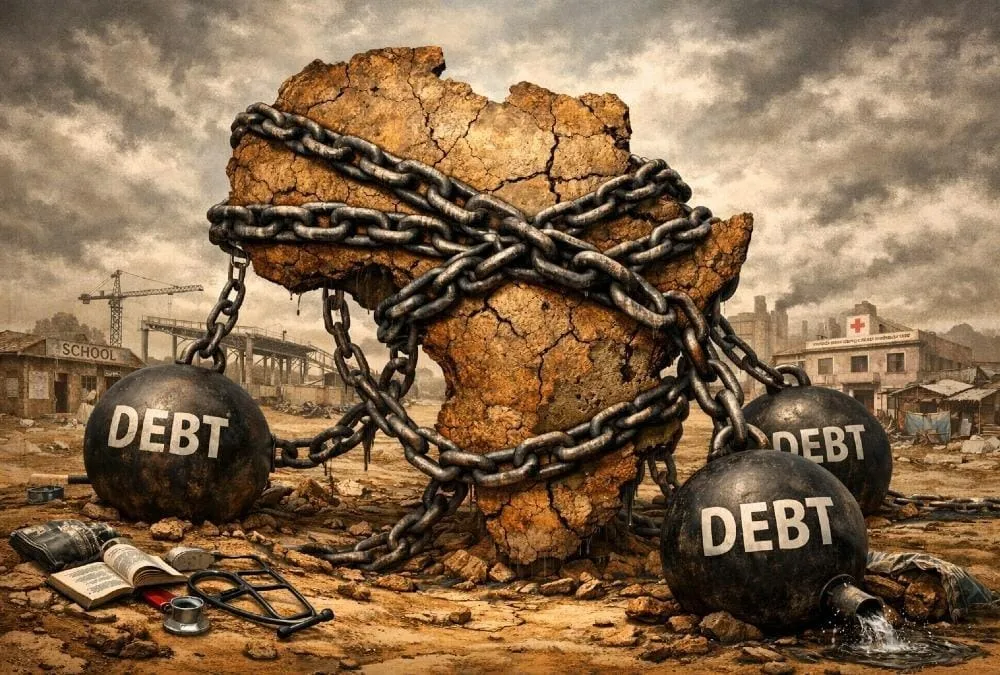
Africa’s sovereign debt landscape is both complex and consequential. External debt, money that African governments owe to foreign lenders influences national budgets, shapes public policy, and affects social investment
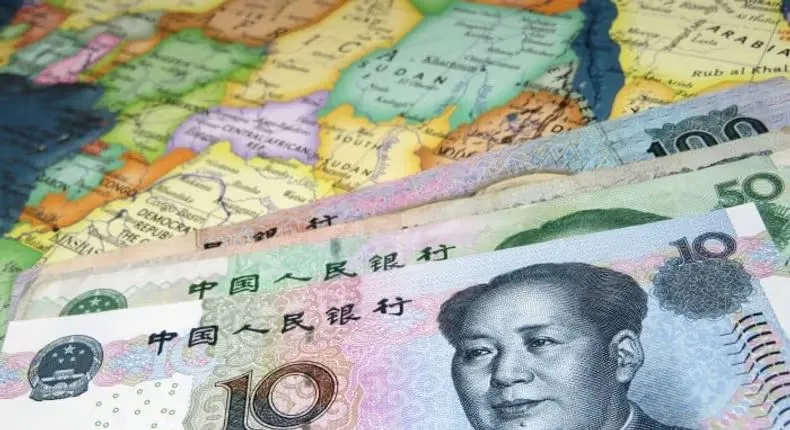
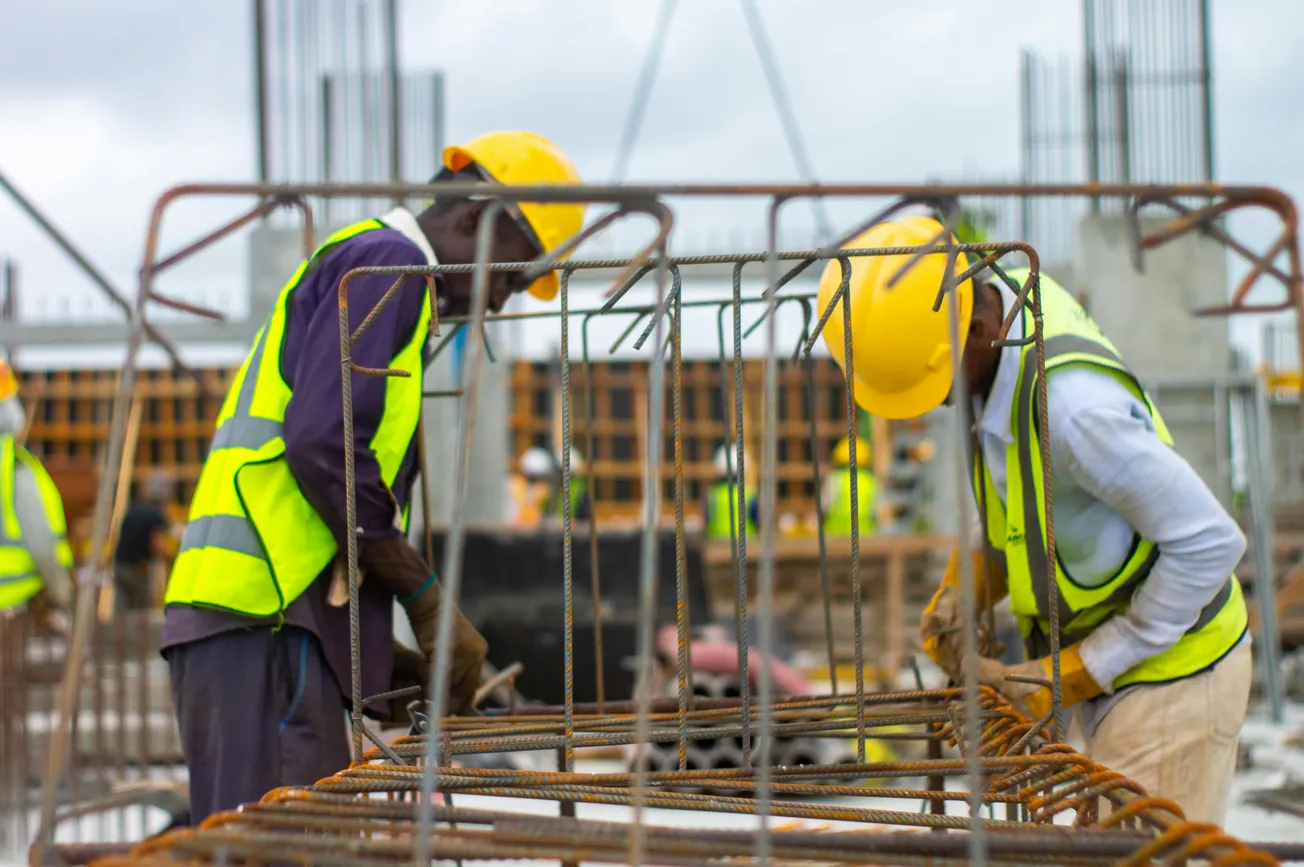
In the past two decades, Africa has experienced an unprecedented surge in trade and investment with China. From railways in Ethiopia to industrial parks in Kenya, Chinese companies are shaping the continent’s infrastructure and manufacturing landscape.
Africa’s debt crisis is no longer abstract. Weak revenues and costly commercial borrowing are cutting jobs, raising inflation, and slowing growth, turning debt into a direct constraint on everyday economic life.
U.S.-funded infrastructure in Africa is shifting toward strategic corridors, energy systems, and digital networks. From the Lobito Corridor to LNG and renewable grids, Washington is using infrastructure to shape trade, mineral security, and regional integration.
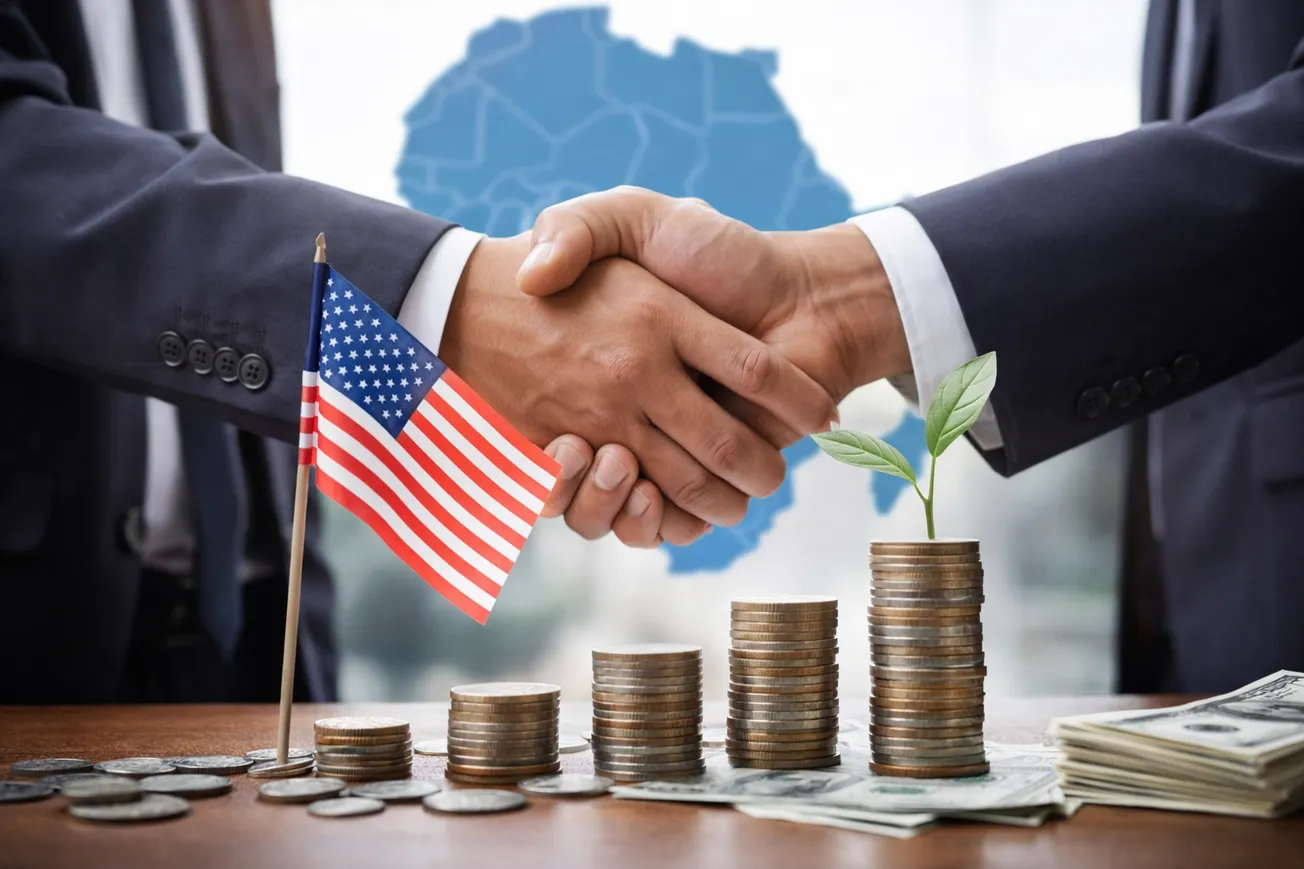
U.S. foreign direct investment in Africa is shifting from oil to strategic sectors like energy, technology, and manufacturing, with Egypt, South Africa, and Nigeria leading 2026 inflows.
China’s role in Africa’s energy sector has shifted from fossil fuels to renewables, driven by FOCAC policy, falling technology costs, and rising African demand for clean, affordable power.
African countries are borrowing more not because of poor discipline, but because limited revenues, infrastructure needs, foreign-currency debt, and global crises make debt the only viable way to finance growth.
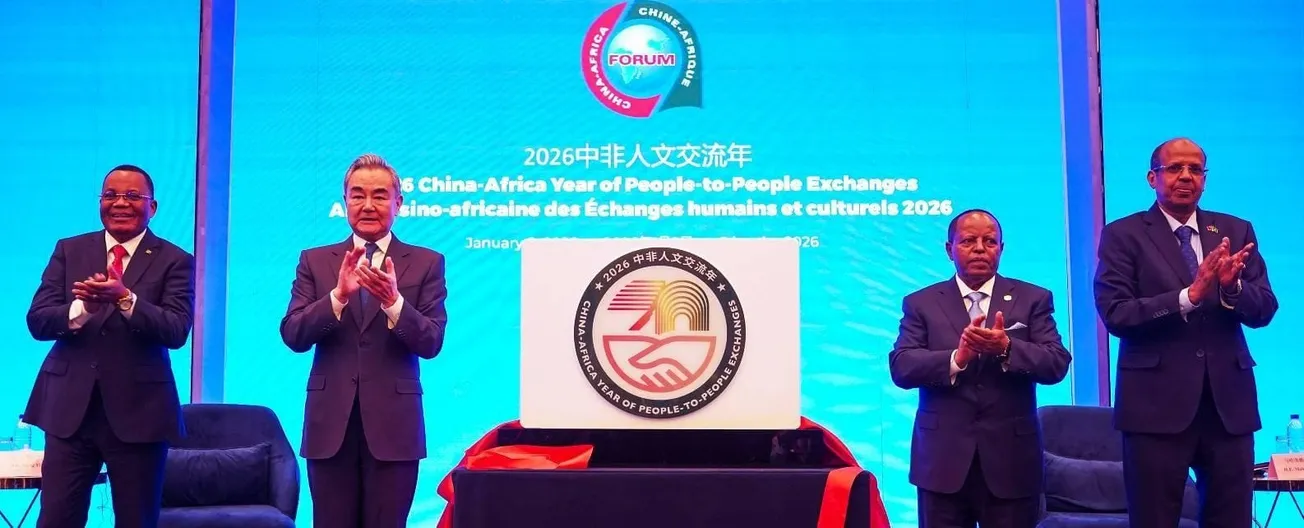
By 2026, Africa’s ties with China are more selective. Some countries are deepening cooperation where projects deliver trade and industrial gains, while others are rebalancing toward new partners to strengthen leverage in a competitive, multipolar world.
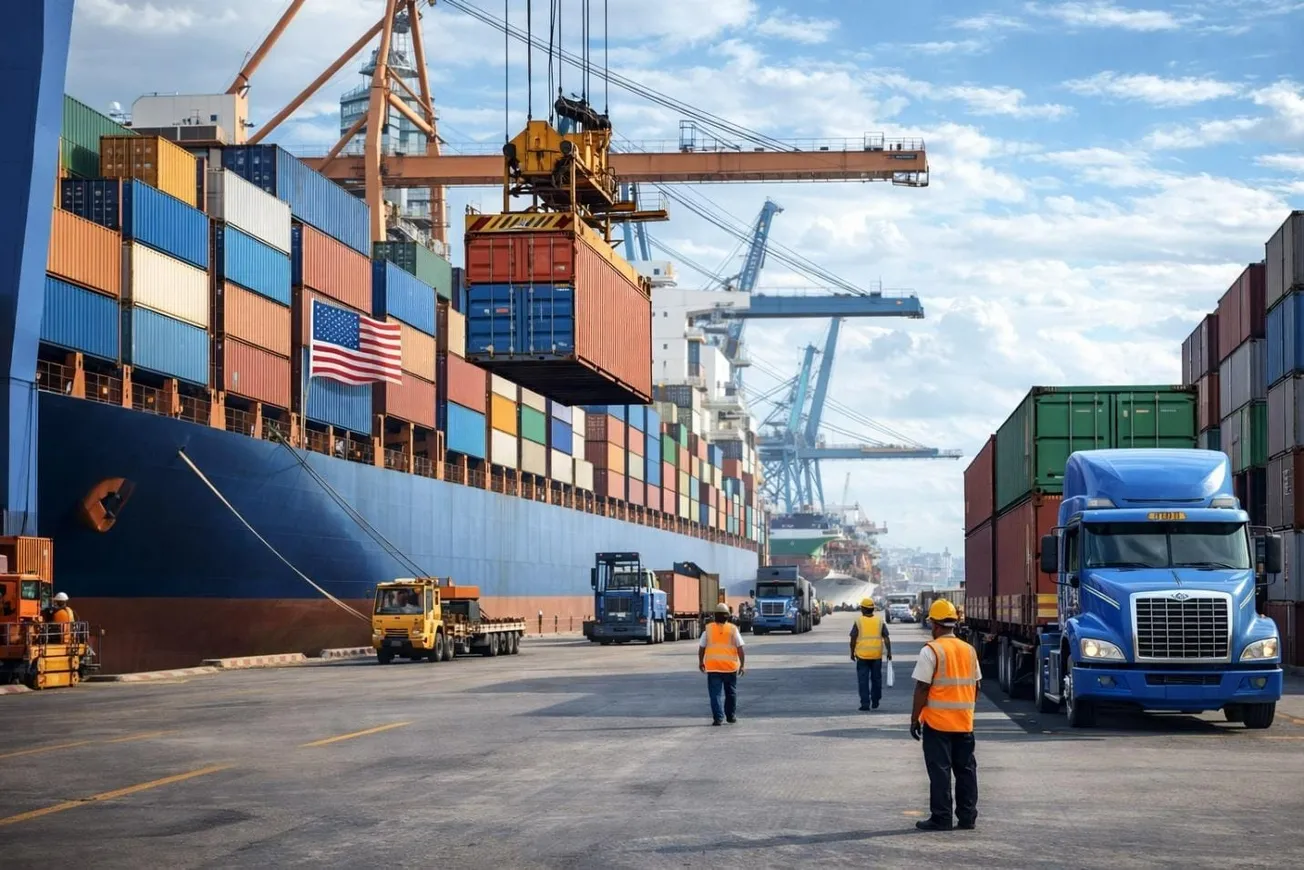
By 2026, U.S. exports to Africa are dominated by high-value machinery, aviation, energy systems, and medical technology. The largest importers are countries with strong ports, industrial capacity, and infrastructure, reflecting a shift from consumer goods to production-focused trade.
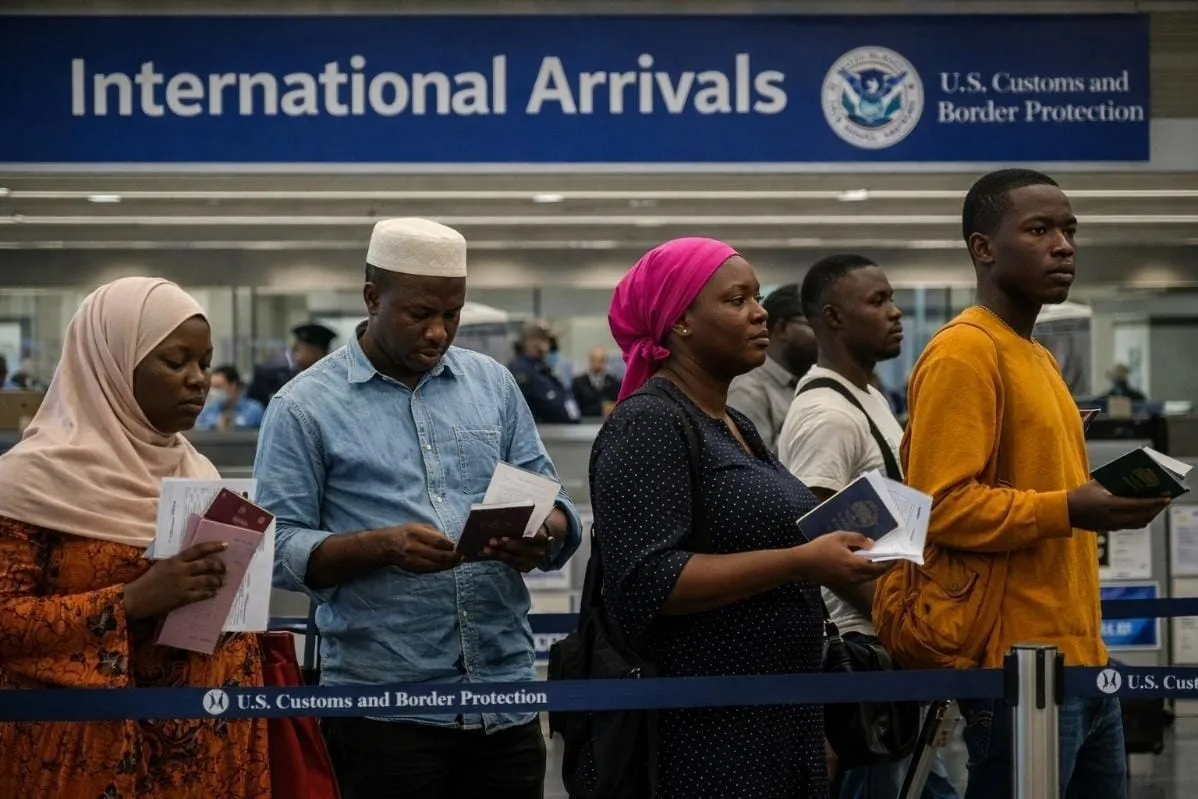
In 2026, several African countries face new U.S. travel restrictions based on visa overstay rates, identity verification systems, and security data-sharing. The measures range from full visa suspensions to tighter entry conditions for selected nations.
By 2026, several African countries are projected to have public debt levels equal to or higher than their entire economic output.
Projections for 2026 show Chinese exports to Africa shifting decisively toward industrial machinery, infrastructure equipment, and medical technology, reshaping trade patterns and deepening economic dependency across key coastal economies.
Africa’s import relationship with China has evolved from consumer-driven trade to capital-intensive industrial dependence, particularly in machinery, electrical systems, steel, and transport equipment.
Africa’s debt story is often told through sweeping generalizations, with headlines suggesting that most countries on the continent are weighed down by loans and repayments.