Top 10 Best Funded Renewable Energy Startups in Africa 2025
Renewable energy startups in Africa are creating a significant positive impact by addressing energy access challenges, driving economic growth, and fostering innovation.
Mr. Ebatamehi is a Senior Analyst at TAE, specialized in Africa’s economic trends, investment flows, and entrepreneurial ecosystems, turning complex policy and market shifts into practical insights. Email: [email protected]
Renewable energy startups in Africa are creating a significant positive impact by addressing energy access challenges, driving economic growth, and fostering innovation.
Africa is home to some powerful brands making waves on the continent and globally. From banking and retail to telecom and consumer goods, these African companies are shaping the continent’s economic future.
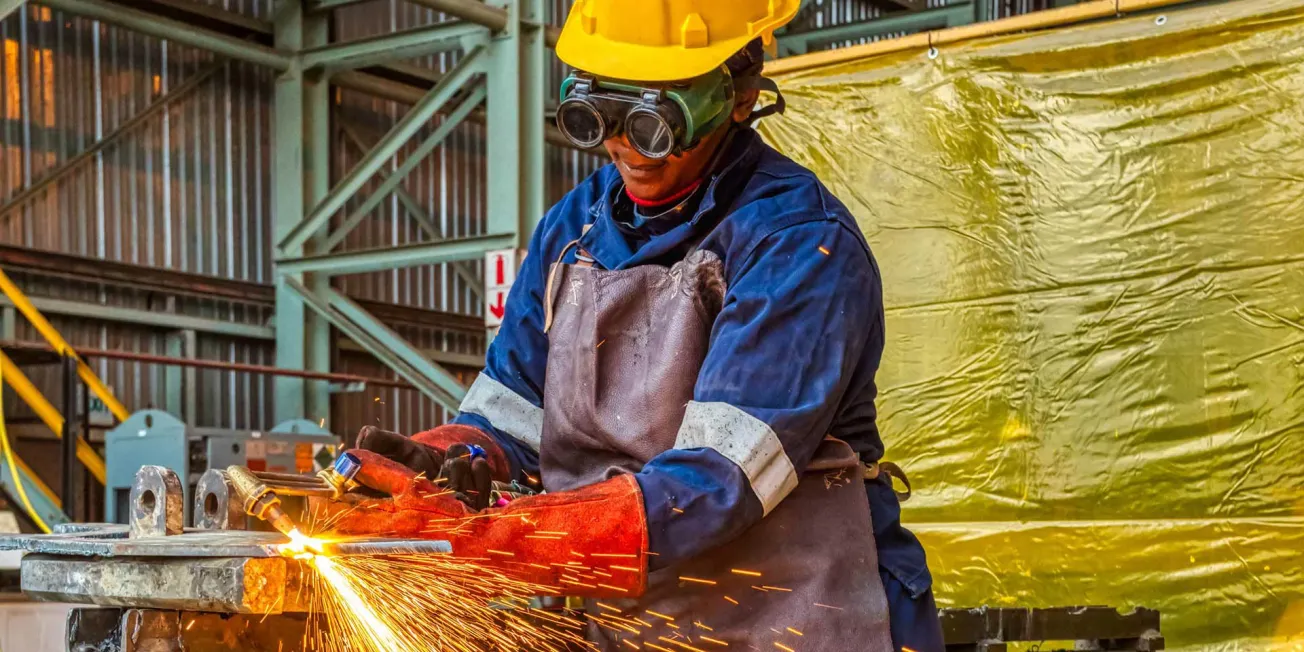
With increased investment, policy support, and regional integration through the African Continental Free Trade Area (AfCFTA), Africa’s manufacturing continues to maintain an upward trajectory.
From enabling remote education to powering grassroots entrepreneurship, mobile phones are not just communication tools in Africa, they are economic lifelines to millions of people across the continent.
African banks are not just financial giants, they are key drivers of economic development, trade integration, and digital transformation in the continent. As the sector continues to evolve, Banks play an important role in positioning Africa to attract global finance and investment.
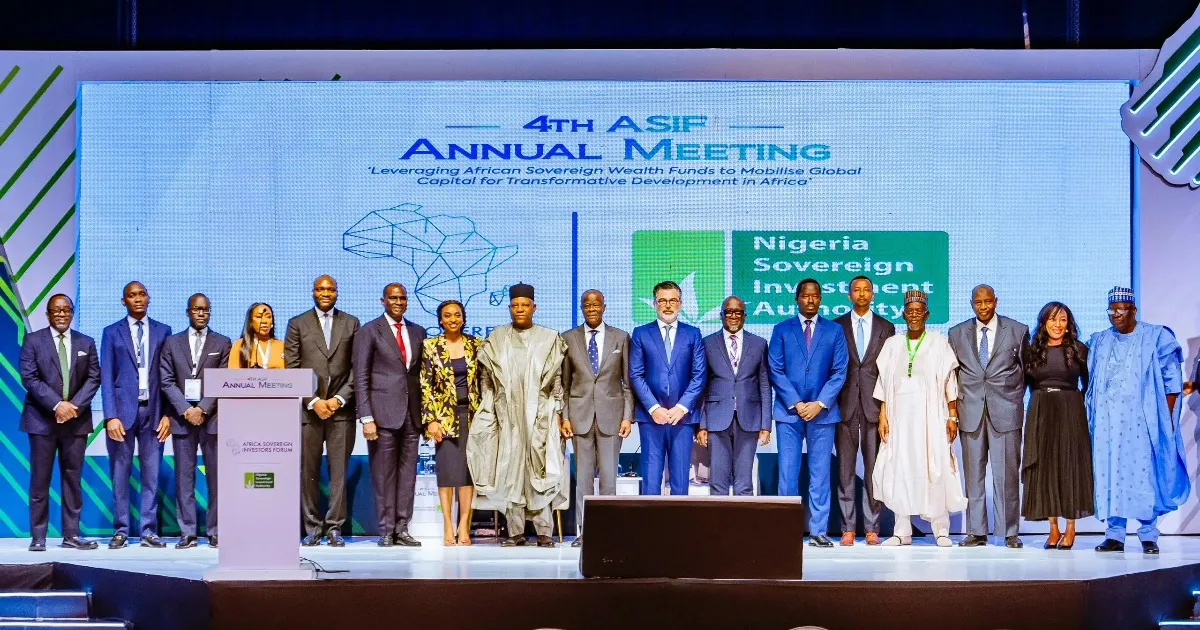
Private equity firms are injecting much-needed capital into African enterprises and offering strategic guidance, global networks, and operational expertise in fintech, agriculture, healthcare, logistics, and education.
When it outpaces external financing, remittance inflows are instrumental in alleviating poverty, stimulating economic progress, and improving the lives of millions across the African continent.
Venture capital firms are instrumental in shaping Africa’s startup ecosystem, providing not only funding but also mentorship and strategic support to entrepreneurs across the continent.
Despite Africa’s large raw materials and mineral deposits, foreign manufactured goods and refined petroleum products remain the chief import products in the continent.
Insurance companies in Africa offer unique products in line with best practices to strengthen the economic foundation of the continent and its citizens against emergencies and disasters.
Africa needs a minimum of 51 million housing units and financing of over $1.4 trillion to solve its current housing deficit. Hence, the importance of private real estate companies in curbing the challenge cannot be overemphasized.
As the global economy shifts post-pandemic and amid geopolitical tensions, exchange rate movements across Africa will remain a key metric for both policymakers and investors.
Exchange rates in Africa — especially to the US Dollar, can affect a country’s inflation rate and the purchasing power of its local currency. Thus, unfavorable exchange rates negatively impact the economies of many countries.
Hyperinflation in Africa is linked to fiscal dominance, where the government relies on the central bank for financing its deficits, which leads to excessive money supply and a subsequent inflation rate of over 50%.
Many African governments are turning to sovereign bonds to seek internal investments as an option for debt securities, as opposed to increasing their indebtedness to the IMF and World Bank.
Currently, Africa has 22 billionaires with a combined net worth of $105 billion, up from $82.4 billion and 20 billionaires in 2024.