Table of Contents
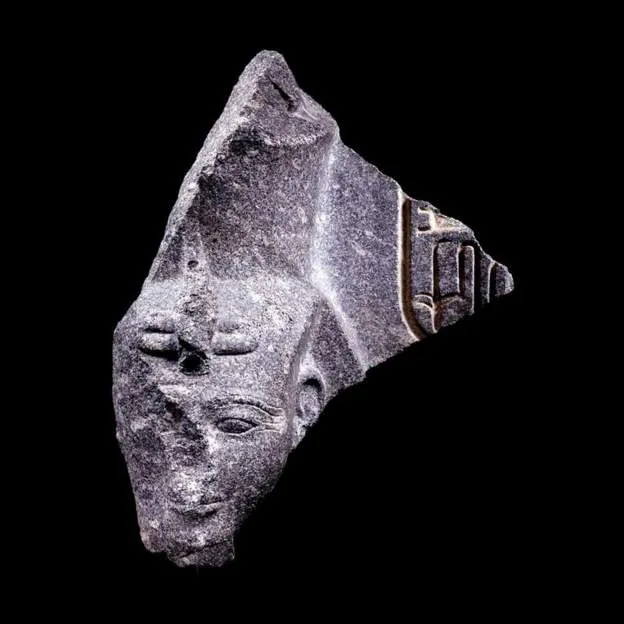
Cairo, Egypt — An Egyptian statue depicting the head of King Ramses II, one of Egypt's most formidable pharaohs, has been successfully repatriated after being stolen and smuggled out of the country over thirty years ago.
The Ministry of Tourism and Antiquities announced on Sunday that the artifact, which dates back more than 3,400 years, has finally returned to Egypt.
The statue was originally part of a larger ensemble representing King Ramses II seated alongside various Egyptian gods, located at the Ramses II temple in the ancient city of Abydos.
It vanished from Egypt decades ago, only to resurface in 2013 at a gallery in London. From there, it traveled through several countries before ending up in Switzerland. Egyptian authorities, in collaboration with Swiss officials, managed to reclaim the historically significant piece after proving it had been illegally exported.
Upon its return, the statue will undergo a series of restorations and maintenance procedures at the Egyptian Museum in Cairo. This effort marks a significant victory for Egypt in its ongoing campaign to recover stolen antiquities and preserve its rich cultural heritage.
The recovery of such artifacts is critical not only for historical preservation but also for the study of Egypt's illustrious past, providing insights into the life and reign of one of its most celebrated rulers, King Ramses II.
The return of the statue is celebrated as a moment of national pride and a successful example of international cooperation in the fight against the illegal antiquities trade.