Table of Contents
British police arrested 65-year-old Dr. Vincent Brown, previously known as Vincent Bajinya, following a seven-year investigation by the Metropolitan Police War Crimes Team. Prosecutors filed one count of conduct ancillary to genocide and six counts of conduct ancillary to murder as a crime against humanity.
Here is a breakdown of the case, the legal context, and why British courts took thirty-two years to bring these charges.
Who is Vincent Brown, and what do British prosecutors accuse him of doing?
Vincent Brown lived in Islington, north London, prior to his arrest.
During the 1994 genocide, Brown worked as a medical doctor in the Rugenge district of Kigali, Rwanda. The Crown Prosecution Service alleges that Brown directed and incited acts of murder and genocide carried out by others during the mass killings in Kigali.
Why did this investigation take seven years to complete?
The Metropolitan Police opened its investigation in September 2019 after receiving a formal request from the Rwandan government. British detectives conducted extensive field operations in Rwanda, gathered witness statements, and analyzed documentation from 1994. The Metropolitan Police War Crimes Team completed its file and submitted the evidence to the Crown Prosecution Service for an independent charging decision.
Why did British courts not extradite him to Rwanda earlier?
Rwanda requested the extradition of Vincent Brown and several other suspects living in the UK in 2006. British courts blocked the extradition requests following protracted legal appeals. High Court judges ruled that suspects faced a real risk of an unfair trial in Rwanda due to concerns over judicial independence and witness protection.
What happened during the 1994 genocide against the Tutsi?
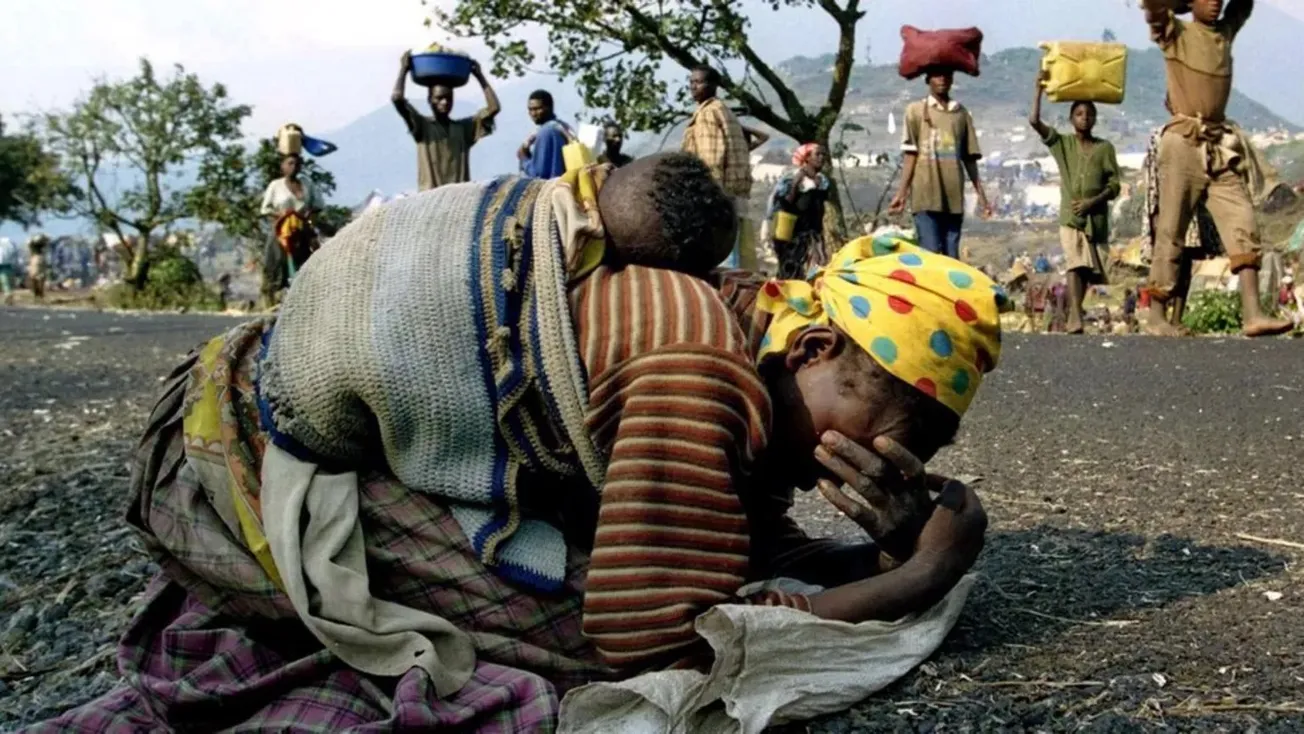
Hutu extremists launched a systematic campaign of mass murder against minority Tutsis and moderate Hutus starting in April 1994. Extremist militias and military units killed an estimated 800,000 people across a 100-day period. The massacres ended when the Rwandan Patriotic Front took control of the country in July 1994.
Does this case mean other suspects in the UK could face trial?
London Counter Terrorism Policing confirmed that officers continue to investigate other individuals living in the UK for alleged roles in the Rwandan genocide. Commander Helen Flanagan stated that the arrest shows the UK will not serve as a safe haven for individuals suspected of international atrocity crimes.