Table of Contents
What Actually Happened
Internal diplomatic notes revealed on September 18, 2026, show that the United States agreed to support a 12-month drawdown of the United Nations Support Office in Somalia, followed immediately by its full liquidation. The countdown starts in January 2027. Without this agreement, funding could have ceased abruptly at the end of December 2026 when the office mandate expires.
The Backstory You Need To Know
Washington signaled in July 2026 that it would block UN support for the African Union Support and Stabilisation Mission in Somalia. The Trump administration pushed to reduce foreign aid commitments and expressed frustration with the federal government in Mogadishu. The UN Support Office in Somalia operates on an annual budget near $500 million, supplying peacekeepers with essential logistics including fuel, food, rations, medical services, and transport.
Why The Pressure Is Building On Mogadishu
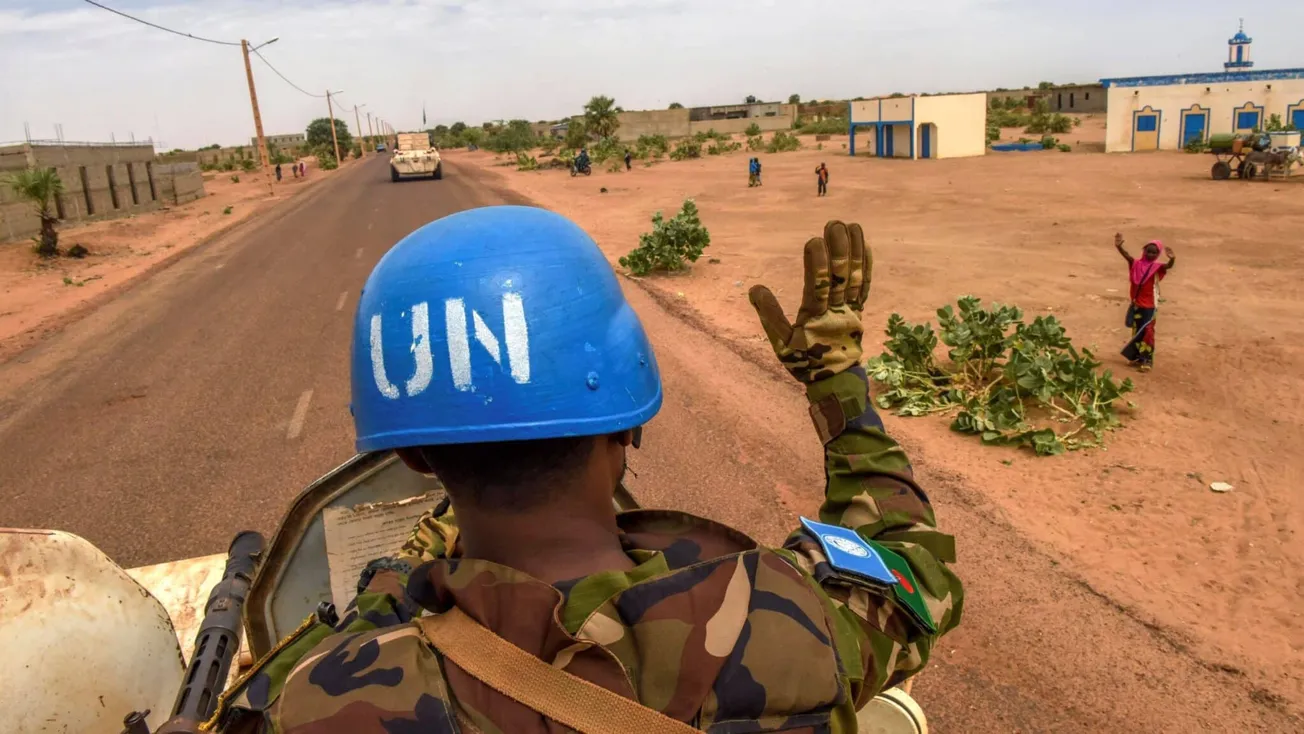
African Union troops provide the primary security shield for Somalia's federal institutions against al Qaeda-linked al Shabaab militants. Security analysts warn that removing logistical backing causes immediate structural vulnerability. City University of Mogadishu professor Afyare Elmi warned that the state faces a real risk of fragmentation if the African Union mission collapses without an alternative force taking over.
What Happens To Security Operations Now
Somalia and international partners gained a 12-month window to secure alternative financial backers or restructure the mission. Washington previously blocked proposals for the UN to cover three-quarters of the peacekeeping mission's direct $190 million annual budget. UN Security Council members plan to debate the final drawdown schedule during formal deliberations in December 2026.
Why It Matters
Washington is using its financial leverage to force African security missions to find local or regional funding rather than relying on open-ended UN subsidies. Granting a single year instead of a sudden pullout prevents an immediate security collapse around Mogadishu, but it shifts the financial burden straight onto African Union member states. If regional powers fail to bridge the $500 million shortfall before 2028, al Shabaab gains ground, exposing the weakness of international state-building efforts in the Horn of Africa.