

What Actually Happened
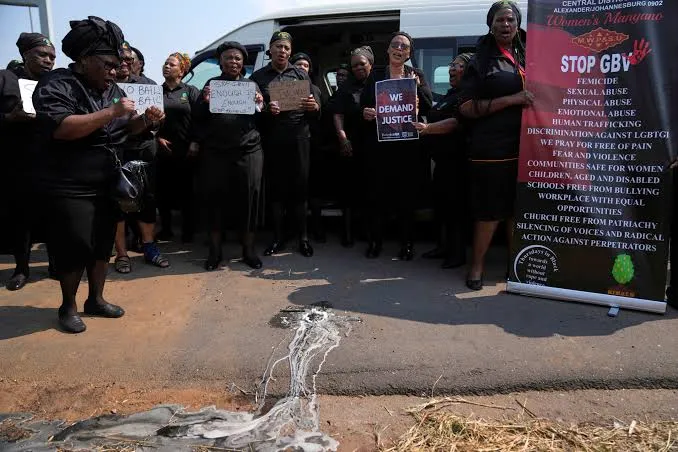
Police authorities discovered the bodies of nine women in Ekurhuleni, east of Johannesburg, over a two-month period leading into September 2026. Most of the victims were in their 20s and 30s. Several bodies showed signs of sexual assault, prompting detectives to investigate potential links between the cases. On September 19, 2026, hundreds of runners dressed in black gathered in Johannesburg to honor victim Elizabeth Moselakgomo, who disappeared during a morning jog before searchers found her body.
The Backstory You Need To Know
South Africa declared gender-based violence a national disaster in 2025 after decades of high crime metrics. Government figures consistently place the country among the most dangerous environments globally for women. The murder of Elizabeth Moselakgomo resonated deeply with urban running clubs and public fitness groups. Participants at the weekend memorial carried candles and banners demanding immediate structural reforms to public safety.
Why The Anger Is Exploding Now
Women across South Africa expressed frustration after local police published safety advisories telling female residents to avoid exercising alone or traveling at night. Advocacy groups like Women for Change publicly rejected those warnings, demanding that law enforcement target perpetrators rather than restricting the freedom of potential victims. Demonstrators pointed out that women face physical danger inside homes, on public transport, and during routine daily activities.
What Happens To The Investigations Next
President Cyril Ramaphosa promised that law enforcement agencies would prioritize the Ekurhuleni murder investigations. However, institutional challenges continue to weaken the criminal justice system. South African police statistics show that authorities solve approximately one in ten murder cases nationwide. Activists in Cape Town and Johannesburg plan to maintain street demonstrations until the government allocates additional investigative resources to rural and township precincts.
Why It Matters
Declaring gender-based violence a national disaster failed to improve basic safety outcomes for South African women. Police departments continue to struggle with low clearance rates, systemic corruption, and severe resource deficits that leave local communities exposed. When law enforcement responds to serial killings by telling potential victims to restrict their own movements, citizens lose faith in state institutions. True progress requires systemic police reform and real investigative accountability rather than repeated political speeches.