Table of Contents
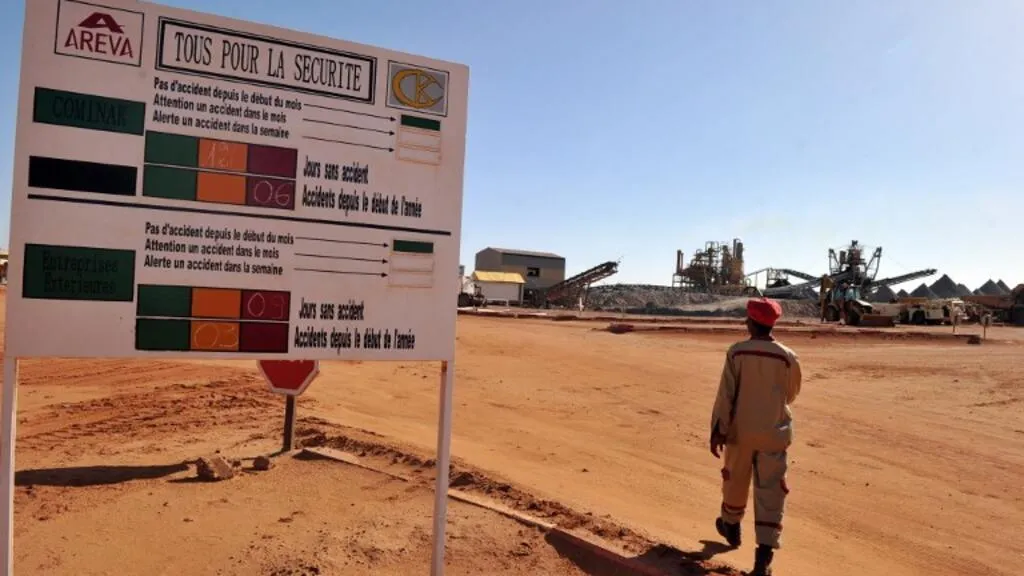
Niger officially terminated a multi-decade uranium mining concession previously held by French nuclear interests at the strategic Arlit and Imouraren deposits. The military-led government dismantled the long-standing extraction agreement over compliance failures and unpaid surface royalties, returning the asset directly to national control.
The Reality
This decisive move represents the latest escalation in an aggressive push by Niamey to rid its critical minerals sector of foreign dominance. Across the continent, resource-rich governments are watching a high-stakes standoff that challenges the core architecture of post-colonial economic exploitation.
The Nigerien government cancelled the long-standing uranium concession managed by French nuclear fuel producer Orano. State authorities seized operational control following protracted disputes over production delays and environmental standards. The bold cancellation strips foreign conglomerates of legacy rights and signals a rising tide of resource sovereignty across the Sahel.
How It Happened
Authorities in Niamey reviewed legacy mining agreements inherited from the colonial era as part of a wider administrative overhaul. The state targeted massive deposits that had supplied European nuclear reactors for over half a century. Officials cited persistent failures to meet development targets and unpaid financial obligations as grounds for total revocation. The mining ministry formally stripped the foreign operator of its exploitation rights and placed the mineral wealth back into the public domain. Similar measures stripped the company of its permits, dismantling foreign corporate footholds built during decades of unequal partnership.
Why it matters
For generations, African nations have watched helplessly as foreign entities carted away raw energy materials while local populations endured poverty and environmental degradation. When a country stands up to corporate giants and seizes control of its own subsoil wealth, it shatters the myth that African economies cannot survive without bowing to Western capitals. The true test for the continent is whether other leaders will find the backbone to follow this blueprint and redirect national wealth toward domestic industrialization.