Table of Contents
A landmark United Nations report revealed that a roughly $50 million ransom paid to free a hostage in Mali flowed straight into al Qaeda's regional war chest. The funds instantly supercharged weapons procurement, logistics, and fighter networks across the Sahel, stretching all the way to global affiliates. Regional sources indicate the United Arab Emirates disbursed the massive payment to secure the release of an Emirati citizen and other foreign captives. This explosive finding exposes an uncomfortable truth about how outside economic partners fuel the very security crises tearing African nations apart.
The Reality
United Nations experts disclosed that the multi-million dollar payout handed to al Qaeda-linked militants eclipsed standard regional ransoms by a factor of ten. The capital injection directly financed aggressive territorial offensives across Mali and surrounding West African states. As foreign powers prioritize the short-term safety of individual citizens over collective continental security, African populations are left carrying the deadly weight of outsourced extremist funding.
How It Happened
Militants belonging to the Jama'at Nusrat al-Islam wal-Muslimin coalition abducted foreign nationals in late 2025, triggering high-stakes backdoor negotiations. According to intelligence findings presented to the UN sanctions committee, an estimated $50 million changed hands to secure their freedom. Regional insiders identified the payer as the United Arab Emirates, whose expanding economic footprint in Mali includes heavy involvement in the local gold trade.
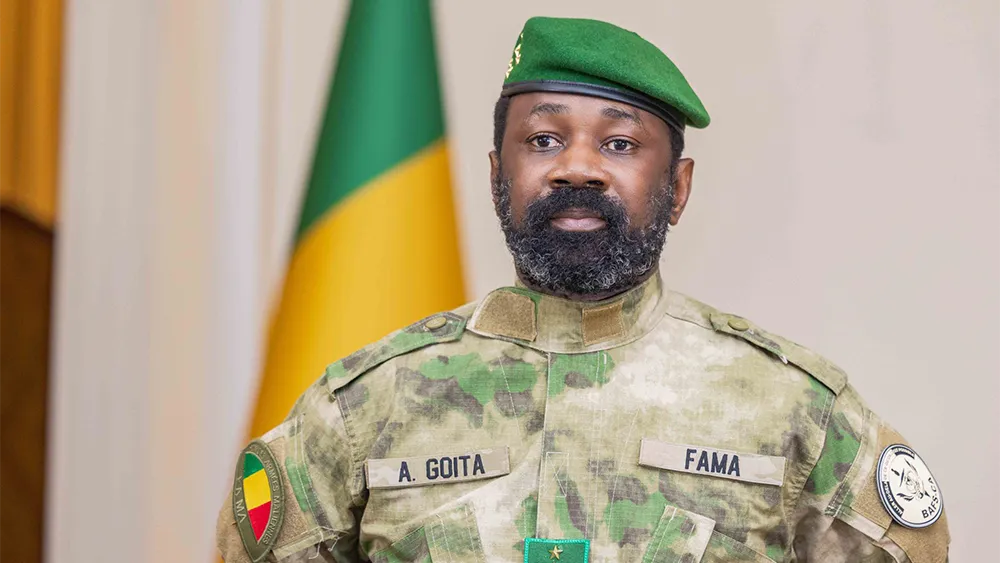
Rather than remaining localized, the cash was rapidly distributed among armed katibas driving the group's bloody campaign across the Sahel. Portions of the windfall even trickled up to core al Qaeda leadership and distant factions in Yemen. While Mali's military government struggles under the weight of a decade-long insurgency and sweeping fuel blockades, external actors quietly write blank checks that keep terrorist war chests overflowing.
Why it matters
When foreign governments choose quiet checkbook diplomacy over collective security, they turn African soil into a playground for international terror syndicates. Pumping tens of millions of dollars into extremist hands not only invalidates years of counterterrorism efforts, but it also proves that foreign lives are treated as infinitely more valuable than the stability of African states. Until African nations demand absolute accountability from external economic partners who feed the beast, the continent will remain trapped in a perpetual cycle of self-funded destruction.