Table of Contents
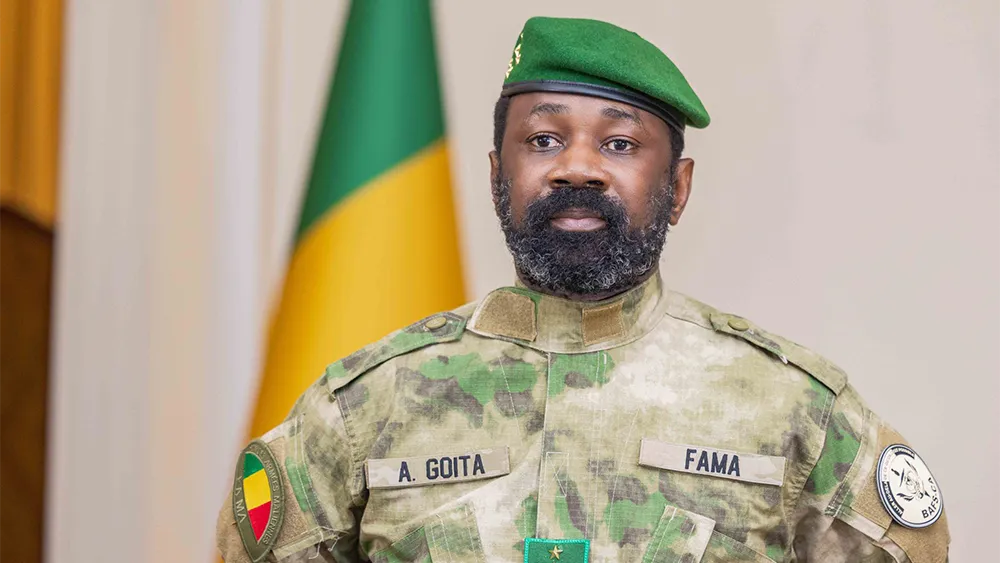
Mali junta leader Assimi Goïta pardoned Yann Vézilier, a French embassy official convicted of plotting to overthrow the government, exactly one year after his arrest triggered a major diplomatic rupture with Paris. The sudden clemency arrived alongside news that armed groups released 82 captured Malian soldiers, helping the administration soften public scrutiny over foreign intelligence operations. Vézilier faces immediate expulsion while the Malian officers arrested in the same plot await trial without explanation.
The Sudden Release Of A Convicted Foreign Operative
Malian security forces arrested Yann Vézilier on August 13, 2025, alongside two army generals and dozens of soldiers. Government officials accused Vézilier of directing a French intelligence plot to destabilize President Goïta's administration. In June 2026, a Malian court convicted Vézilier and sentenced him to 20 years in prison. On August 13, 2026, President Goïta signed a presidential decree granting full clemency and ordering his immediate deportation.
A Pattern Of Continuous Foreign Interference
The pardon highlights the constant presence of foreign intelligence apparatuses operating across West Africa. France denied all espionage allegations, claiming Vézilier conducted routine security cooperation work. Yet, the case demonstrates how external powers maintain active intelligence operations in former colonies. Foreign intelligence networks continuously adapt to political shifts, maintaining covert influence regardless of official troop withdrawals.
Replacing Western Operatives With New External Partners
Mali severed its traditional defense agreements with France following military takeovers in 2020 and 2021. The junta expelled French troops, ended UN peacekeeping missions, and invited Russian military contractors to combat a persistent Islamist insurgency. Replacing French influence with Russian security support changes the partner, but leaves fundamental dependencies intact. Real national sovereignty requires domestic capacity rather than swapping foreign backers.
Why the Spying Debate Matters For African Development
Foreign intelligence networks did not disappear when European troops exited the Sahel. They adapted to new political alignments. The decision to release a convicted foreign operative without explanation shows how external interference disrupts long-term African development and security.
Why it matters: External powers continue to treat African governance structures as arenas for geopolitical competition. Sustainable economic and institutional development remains impossible as long as foreign intelligence operations manipulate domestic politics and state security.