Table of Contents
High Popularity Meets Severe Security Crises
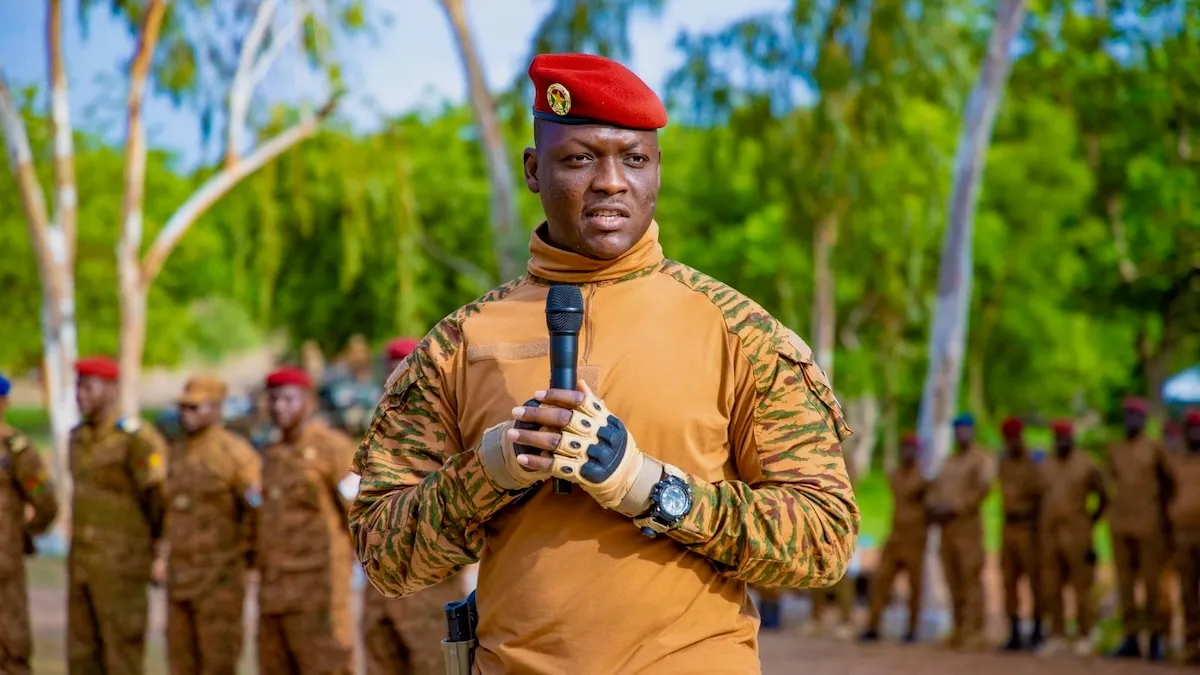
Ibrahim Traoré seized power in September 2022 at age 34, invoking the anti-imperialist legacy of Thomas Sankara and wearing traditional Burkinabè attire. His fiery speeches against Western dominance resonate deeply across West Africa and the diaspora. Meanwhile, armed extremist groups like JNIM and Islamic State affiliates control an estimated 40 percent of Burkina Faso's national territory. Over two million citizens remain internally displaced, while major towns face prolonged blockades.
Replacing Erstwhile Colonizers With New Foreign Alliances
Traoré gained continental support by expelling French military forces, shutting down French media broadcasts, and ending military agreements with Paris. To fill the operational void, his administration welcomed Russian military instructors and the Russian Africa Corps. This diplomatic shift removed traditional Western influence, but replacing one foreign power with another raises ongoing questions about true strategic independence.
Rapid Military Expansion and Rising Internal Tensions
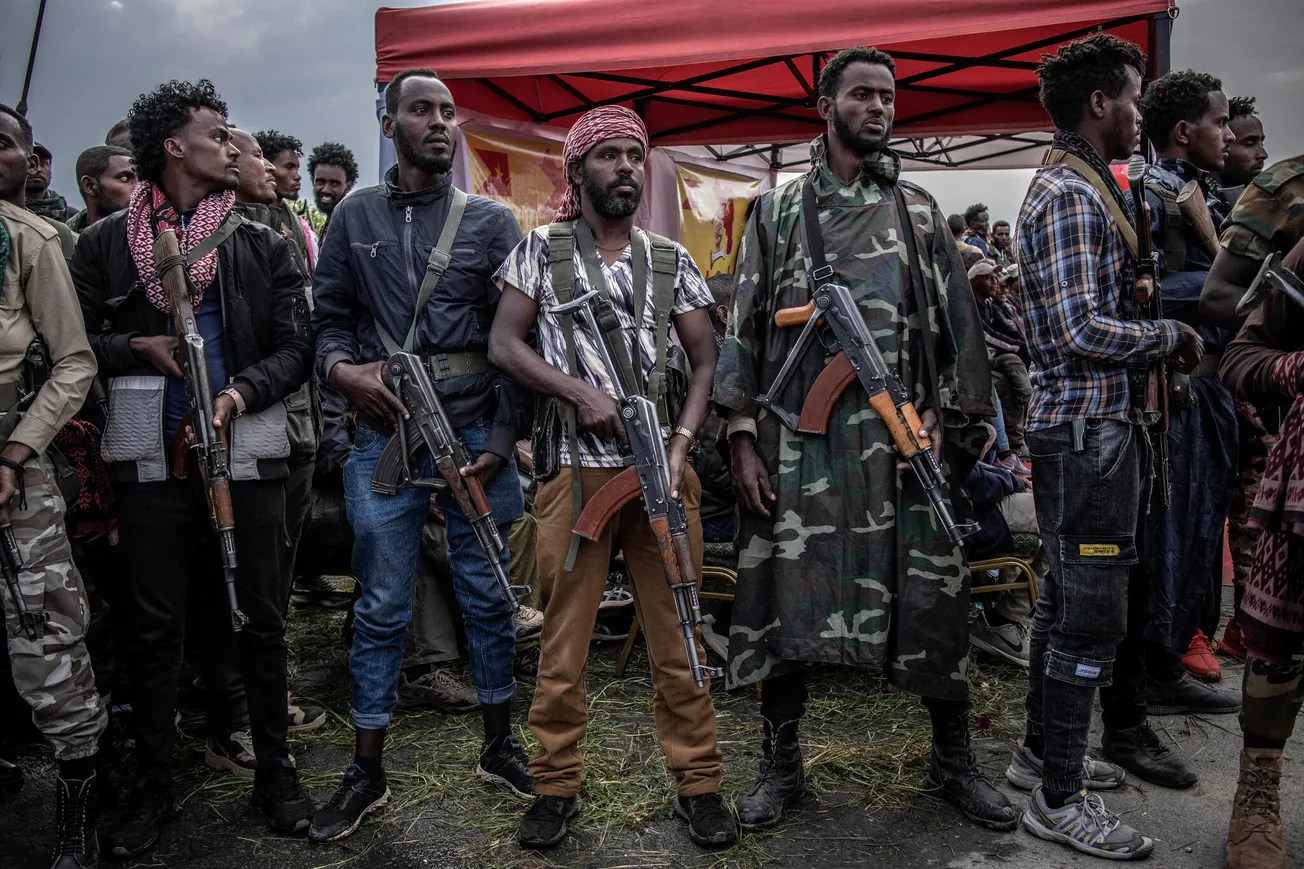
To fight the insurgency, the government rapidly expanded the Volunteers for the Defence of the Homeland, a state-backed civilian militia numbering in the tens of thousands. While the military publicizes periodic village recaptures, human rights organizations document expanding ethnic violence. Counterinsurgency operations frequently ignite communal friction, particularly impacting Fulani communities accused of aiding insurgents.
Direct Crackdowns On Political Opposition And Press Freedom
Traoré’s administration maintains tight control over domestic politics. In January 2026, the government officially dissolved all political parties, claiming party politics divided the nation. In April 2026, Traoré publicly stated that citizens should forget about Western-style democracy during a wartime transition. Independent journalists face conscription, suspension, or exile for challenging official narratives.
Opening New Fronts Against Domestic Clerics
The government recently broadened its internal battles by targeting prominent religious figures. Traoré declared an active campaign against scholars accused of promoting religious extremism, following the passage of a new Religious Freedoms Law. Security forces subsequently detained several prominent Sunni clerics, creating friction with religious leaders who previously supported his political rise.
The Critical Question Facing African Sovereignty
Traoré’s presidency poses a fundamental question for modern Pan-African politics. Anti-colonial rhetoric and sovereign posture address genuine historical grievances, but symbolic defiance cannot replace basic physical security and economic stability. When a leader uses revolutionary rhetoric to justify suspending civil rights and democratic institutions, citizens must ask whether that ideology serves the public or protects executive power.
Why it matters: The outcome in Burkina Faso provides a real-time case study for the entire continent. If Traoré’s administration delivers security and economic self-reliance, his model will inspire similar military interventions across West Africa. If security continues to deteriorate, it demonstrates that anti-imperialist rhetoric may not fully compensate for governance failures.