Table of Contents
In Summary:
- Municipal bond markets in Africa are emerging as tools for cities to finance infrastructure, housing and public services directly from capital markets.
- Legal reforms and regulatory frameworks are expanding local governments’ access to long-term funding.
- Investor interest is rising as urbanisation increases demand for sustainable city financing.
- Strong municipal bond markets deepen domestic capital markets and reduce reliance on sovereign debt.
Deep Dive!!
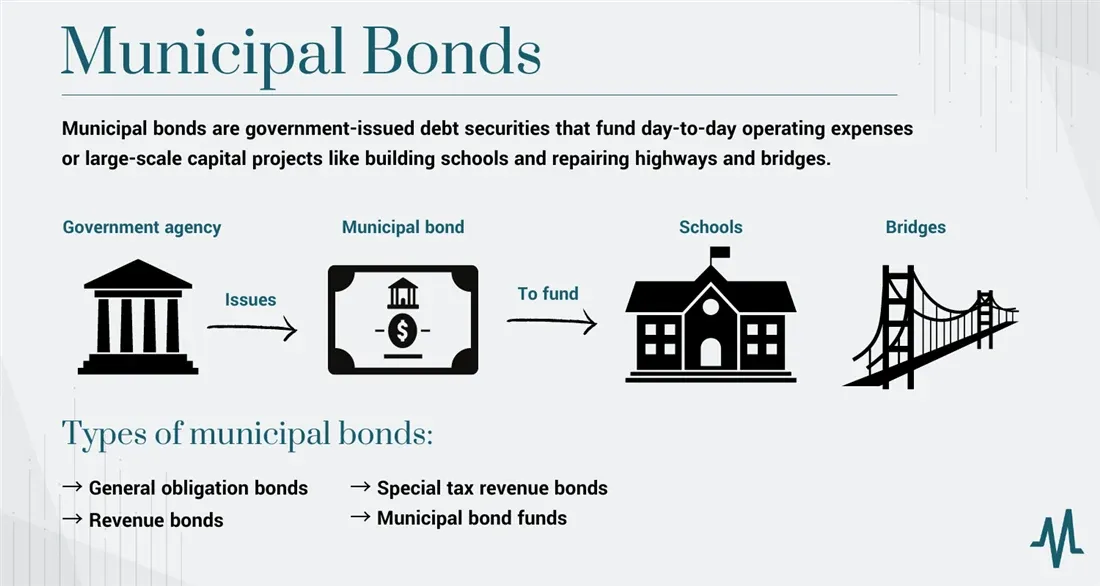
Tuesday, 23 December 2025 – Municipal bonds are a key instrument for local governments to finance infrastructure, services and urban development by tapping capital markets directly. While municipal bond markets are well-developed in parts of the United States and Europe, Africa’s municipal debt markets are emerging and still nascent in most countries. Growth in this segment can signal deeper local capital market development, improved fiscal autonomy for cities and new financing channels for sustainable urban investment. Although comprehensive issuance data remains limited, several African countries and cities have initiated or expanded local government bond activity in 2025 or recently introduced legal frameworks that enable municipal borrowing, reflecting notable growth in sub-national financing.
Across the continent, innovations such as legal reforms, credit enhancements and pilot issues are encouraging municipalities to explore capital markets for project financing. In cities with municipal bond activity, investors are increasingly looking at tax-exempt and project-linked bonds, particularly those tied to sustainability and infrastructure development. The following ranking highlights African countries making the most noteworthy strides in municipal bond market growth in 2025, based on issuance examples, regulatory progress and emerging market interest.
![South Africa led Africa's bond market with $328.8 billion [in] volume and nearly 3,000 issuances - Intelpoint](https://intelpoint.co/wp-content/uploads/2025/09/bb1-1024x1024.webp)
10. Senegal
Senegal has emerged as a reference point in West Africa for early discussions around municipal bond financing, even though full execution has been gradual. The country’s broader domestic bond market recorded strong momentum in 2024 and 2025, with several sovereign issuances heavily oversubscribed, according to Reuters. This performance has helped deepen local investor confidence and strengthened the institutional foundations needed for sub-national borrowing.
While the City of Dakar’s municipal bond plans have faced delays, these initiatives helped catalyse important conversations around creditworthiness, revenue autonomy and municipal balance-sheet transparency. Development partners such as the Public-Private Infrastructure Advisory Facility (PPIAF) have supported capacity-building efforts, including credit assessments and fiscal diagnostics for local governments. The experience gained through Senegal’s sovereign and regional bond market participation provides a practical stepping stone for municipal issuance. As fiscal reforms continue and local revenue mobilisation improves, Senegal’s municipalities are better positioned to enter capital markets gradually, making the country one of the fastest-moving frontier cases for municipal bonds in West Africa.
9. South Africa
South Africa remains Africa’s most mature municipal bond market, with cities like Johannesburg, Cape Town and Tshwane having issued bonds over the past two decades. ResearchGate studies highlight how these early issuances established regulatory precedents and investor familiarity with municipal credit risk, particularly for infrastructure and service delivery projects.
In 2025, renewed interest in sub-national financing reflects growing urban infrastructure demands and climate-resilience funding needs. Municipal green bonds, especially those linked to water security and transport, have reinforced confidence in structured local government borrowing and expanded the investor base beyond traditional buyers. Although municipal issuance remains small compared to national debt, South Africa’s sophisticated legal framework, deep institutional investor pool and established disclosure standards give its cities a clear advantage. These conditions support gradual but sustained growth in municipal bond activity over the medium term.

8. Kenya
Kenya’s municipal bond market is still in its formative stage, but developments in the broader capital market are creating momentum. Strong subscription levels in national Treasury auctions demonstrate deep investor appetite for fixed-income instruments, a trend that can eventually extend to municipal issuances as regulatory clarity improves.
Local governments face increasing pressure to fund urban infrastructure, housing and transport without over-reliance on national transfers. This has prompted policy discussions around alternative financing tools, including green bonds and tax-advantaged municipal securities, as highlighted in market commentary and investor forums. Although Kenya has yet to issue a full municipal bond, the combination of capital-market depth, infrastructure demand and policy interest positions the country as one of Africa’s fastest-emerging municipal bond markets in 2025.
7. Nigeria
Nigeria made a decisive step forward in 2025 by formally empowering local governments to issue bonds under revised provisions of the Investment and Securities Act. According to SSRN-published legal analyses, this reform removes long-standing ambiguities that previously constrained municipal market development.
Nigeria’s domestic debt market is one of Africa’s largest, supported by pension funds, insurance firms and asset managers seeking long-term naira-denominated assets. This investor base provides a natural foundation for municipal bonds, particularly for infrastructure projects with stable revenue streams. While issuance is still at an early stage, the legal framework and market depth significantly shorten Nigeria’s path to scalable municipal financing. Early pilot issuances could accelerate rapidly once credit enhancement mechanisms and fiscal coordination are fully implemented.
6. Morocco
Morocco’s progress in municipal bond development is closely linked to its broader capital-market sophistication. Sustainable Stories Africa reports that policy discussions in 2025 increasingly focus on mobilising local financing for urban infrastructure, particularly climate-resilient projects and sustainable transport systems.
Although municipal bonds remain limited, Morocco’s inclusion in regional green-finance initiatives has raised investor awareness of sub-national investment opportunities. Cities are gradually building the governance and reporting structures required to meet market expectations. With one of Africa’s most developed financial systems, Morocco is well positioned to scale municipal bond issuance once regulatory and credit-support frameworks are finalised, placing it firmly among the fastest-growing markets in preparation.
5. Rwanda
Rwanda’s reputation for strong governance and financial innovation supports growing interest in municipal bond financing. Sustainable Stories Africa notes that urbanisation pressures and ambitious infrastructure goals are pushing policymakers to explore diversified funding mechanisms beyond traditional budget allocations.
The country’s ESG-focused positioning enhances its attractiveness to investors seeking transparent and impact-driven debt instruments. Municipal bonds, particularly those linked to sustainability projects, align closely with Rwanda’s development narrative. Although formal municipal issuance has not yet materialised, policy momentum and institutional readiness place Rwanda among Africa’s most promising frontier municipal bond markets in 2025.

4. Namibia
Namibia’s municipal bond growth potential stems from steady macroeconomic management and incremental fiscal decentralisation. According to Sustainable Stories Africa, reforms aimed at strengthening local government finances are improving the feasibility of sub-national borrowing.
The country benefits from a growing institutional investor base and close financial ties within the Southern African region, which can support demand for municipal debt once issuance begins. While still at an early stage, Namibia’s methodical approach to financial regulation and local revenue autonomy positions it ahead of many peers in municipal bond market readiness.
3. Côte d’Ivoire
Côte d’Ivoire’s domestic bond market, operating within the WAEMU regional framework, has expanded rapidly in recent years. Ecofin Agency reports strong investor participation in public debt issuances, reflecting confidence in the country’s macroeconomic trajectory.
This depth provides a solid platform for municipal bond development, especially as urban infrastructure needs grow in cities like Abidjan. Regional market integration further enhances liquidity and investor access. With rising demand for sub-national financing tools, Côte d’Ivoire is well placed to extend its bond market success into the municipal space.
2. Ghana
Ghana’s capital-market reforms and expanding domestic investor base have strengthened confidence in local debt instruments. As highlighted by The African Exponent, these conditions create a favourable environment for municipal bond experimentation, despite limited historical issuance.
Urban development needs and fiscal decentralisation debates are driving renewed interest in sub-national financing. Policymakers increasingly view municipal bonds as a viable tool for infrastructure funding without overburdening central government finances. With potential green and sustainability-linked municipal bonds on the horizon, Ghana stands out as one of Africa’s fastest-advancing markets in this segment.
1. South Africa (Emerging Sub-National Issuance)
South Africa leads the continent in municipal bond readiness due to its established issuance history and regulatory clarity. ResearchGate analyses show that cities such as Cape Town and Johannesburg have successfully issued municipal and green bonds, creating benchmarks for pricing and disclosure.
These issuances, often tied to sustainable infrastructure, have attracted strong institutional investor interest and demonstrated the viability of city-level borrowing in Africa. As more municipalities adopt similar frameworks, South Africa continues to set the pace for municipal bond market growth, serving as a model for the rest of the continent in 2025.
We welcome your feedback. Kindly direct any comments or observations regarding this article to our Editor-in-Chief at [email protected], with a copy to [email protected].