Table of Contents
Have you ever thought about how roads, bridges, housing projects, airports, and industrial sites move ahead on time and with steady progress?
Across Africa, infrastructure growth is opening new paths for trade, mobility, farming, housing, and public services. Behind this visible progress, one important part often works quietly in the background: a reliable machinery supply chain.
When equipment, spare parts, technical support, and trained people are available at the right time, work on the ground can move in a smooth and steady way. It helps projects stay active, helps teams plan with confidence, and supports better use of time and money.
A reliable machinery supply chain is not only about bringing machines from one place to another. It also includes planning, transport, warehousing, maintenance support, spare parts access, training, and clear coordination between many people. When all these parts work together, infrastructure development becomes faster, more practical, and more stable.
For many African countries, this matters a lot. Infrastructure growth is closely linked with daily life. Better roads can connect farms to markets. Better transport systems can support business movement. Better construction support can help cities expand in an organized way. Reliable access to machinery helps make these plans real.
Reliable Supply Chains Keep Infrastructure Work Moving Forward
Infrastructure work depends on timing. A road project, a housing site, or a mining access route often needs machines to arrive when the team is ready to begin the next stage.
When the machinery supply chain is reliable, project teams can work with better coordination. Contractors, engineers, operators, and planners can align their schedules more easily.
Timely Equipment Access Supports Steady Progress
When equipment is available on time, teams can begin earthmoving, lifting, grading, drilling, or material handling as planned. This improves workflow and helps each phase connect well with the next one.
In practical terms, this can support:
- Faster site preparation.
- Better coordination between project stages.
- More efficient use of labour.
- Better planning for fuel, materials, and operators.
- A more organised construction process.
Spare Parts and Service Support Add Strength to Operations
Reliable supply chains also include parts and service support. Machines work best when they are backed by proper maintenance and easy access to essential parts.
In many growing markets across Africa, this kind of support is helping project owners and contractors make better operational decisions. They are not only looking at the machine itself. They are also thinking about the full support system around it.
Planning Becomes Easier for Public and Private Projects
A stable machinery supply chain helps people plan in a more practical way. Governments, developers, and contractors can prepare timelines with more clarity when they know equipment access is well managed.
That planning benefit can support:
- Better use of project budgets.
- Clearer scheduling for site work.
- More predictable material movement.
- Stronger coordination with local teams.
- Better reporting and monitoring.
Machinery Supply Chains Support Many Sectors Across Africa
Infrastructure growth is not limited to one sector. It connects with transport, construction, agriculture, energy, mining, and logistics. Machinery supply chains support each of these areas in useful ways.
A reliable system creates a wider effect. It not only helps one road or one building. It supports the larger network of economic activity around that project.
Road and Transport Projects Benefit From Better Equipment Flow
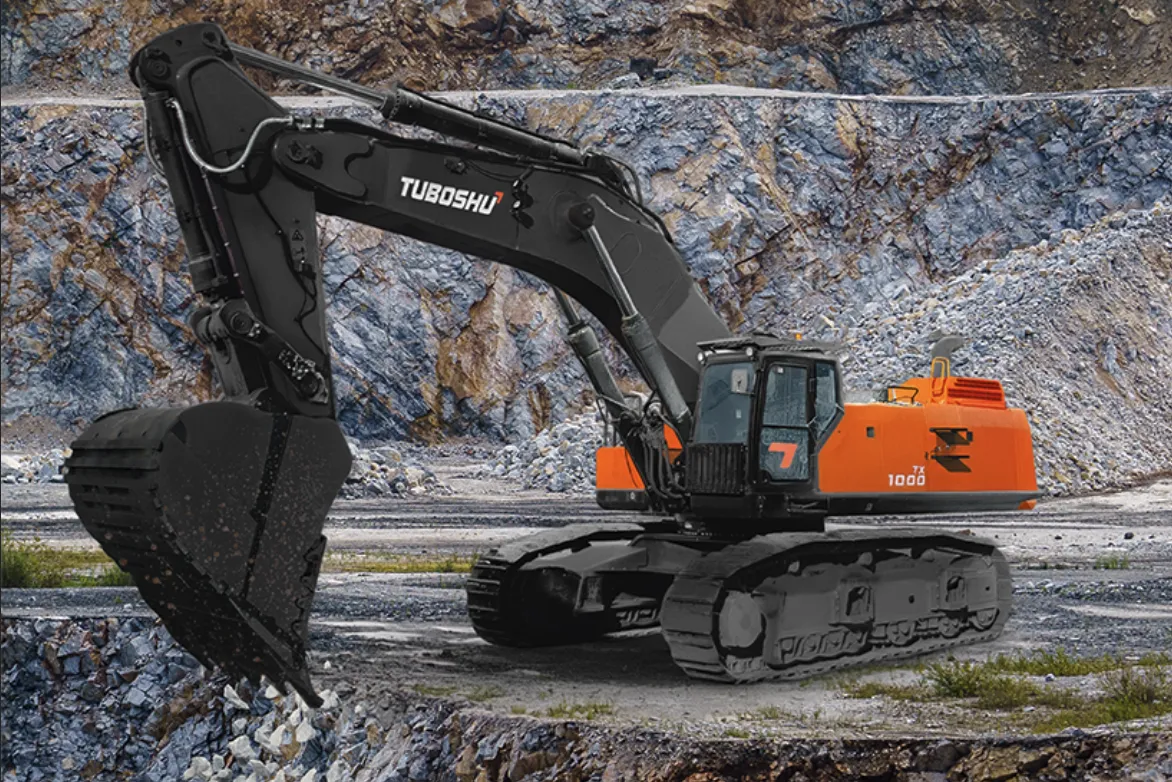
Road building depends on grading machines, compactors, loaders, excavators, and support vehicles. When these machines are available through a dependable supply chain, work can move from site clearing to final surface preparation in a well-planned way.
Better roads can support trade, tourism, farming, and local travel. So, when machinery supply chains work well, they indirectly support many parts of everyday life.
Construction and Urban Growth Move With More Confidence
African cities are growing fast, and this growth creates demand for housing, commercial buildings, industrial zones, and public facilities. Reliable machinery access supports these projects from the first stage to the finishing stage.
It helps with tasks like:
- Land preparation
- Material handling
- Foundation work
- Lifting and placement
- Site clean-up and support work
Agriculture, Energy, and Industry Also Gain From Strong Support Systems
Infrastructure is closely connected with food systems, energy expansion, and local industry. Machinery helps prepare land, support storage development, improve access roads, and assist with industrial construction.
In this wider context, reliable supply chains make infrastructure work more connected to real economic needs. That is why many stakeholders now pay close attention to machinery access, after-sales support, and logistics planning.
Local Networks Make Supply Chains More Effective
Strong supply chains work best when they are close to the people and places they serve. Local warehouses, service points, trained technicians, and regional planning systems all help improve performance.
Regional Warehousing Improves Access
When equipment and parts are stored closer to project locations, teams can receive support more easily. Regional warehousing supports better stock planning and helps equipment users manage operations in a more organised way.
It also supports:
- Faster parts availability.
- Better route planning.
- Stronger stock visibility.
- More confidence for project managers.
Service Capacity Supports Long-Term Use
Equipment gives better value when it is supported through regular checks, planned maintenance, and informed technical care. A strong service network helps project owners think beyond short-term use and focus on stable results over time.
In this area, regional suppliers and support groups have an important part to play. For example, some industry platforms such as HMD show how machinery supply, service access, and regional support can be presented as part of a broader infrastructure-focused system.
Better Coordination Creates Better Results
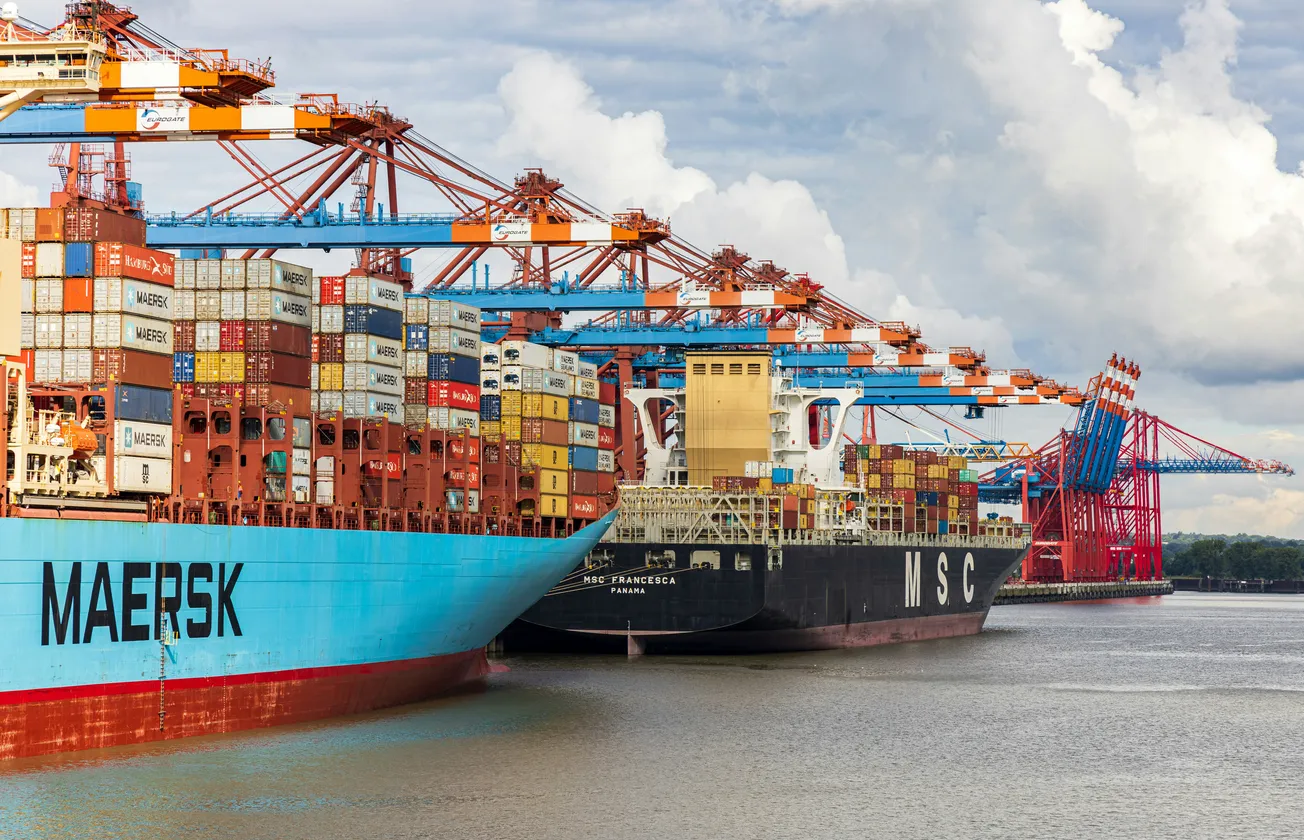
Supply chains become more reliable when coordination improves between suppliers, project teams, transport networks, ports, and service providers.
Digital Tools Help Teams Stay Informed
Digital systems now help many businesses and project teams track deliveries, monitor stock, plan service schedules, and manage fleet activity. These tools support faster decisions and clearer updates.
For infrastructure work, this can mean:
- Better equipment tracking.
- More accurate maintenance planning.
- Easier stock checks.
- Better project reporting.
- Clearer coordination between teams.
Stronger Transport Links Improve Machinery Movement
As transport systems continue to improve across many parts of Africa, machinery movement also becomes easier to manage. Better roads, ports, border procedures, and logistics planning all support stronger supply chain performance.
Partnerships Help Build Stability
Reliable supply chains often grow through cooperation. Public bodies, contractors, logistics groups, training centres, and equipment support teams all contribute to this shared progress.
Why Reliability Matters for Africa’s Growth Story
Africa’s infrastructure growth is about much more than buildings and roads. It is about connection, access, jobs, local business activity, and long-term development. Reliable machinery supply chains support all of this in a quiet but very important way.
Key Reasons Reliable Supply Chains Matter
- They support steady project execution.
- They improve planning confidence.
- They help equipment users access parts and service.
- They support local jobs and technical learning.
- They strengthen the wider infrastructure system.
Conclusion
Reliable machinery supply chains are playing a strong part in Africa’s infrastructure growth. They support road construction, housing expansion, industrial development, agricultural access, and public works in a very practical way. When machines, parts, service, logistics, and skilled people come together on time, progress becomes easier to maintain.