Table of Contents
In Summary
- Nigerian security forces have detained 7 Polish citizens, including 6 students and a lecturer, for allegedly displaying Russian flags during protests
- The Poles were arrested in Kano state, with authorities claiming they were found at the protest site with foreign flags
- Poland confirms the detained individuals were on a study trip organized by the University of Warsaw
- Nigerian authorities say the Poles were not necessarily participating in the protests when arrested
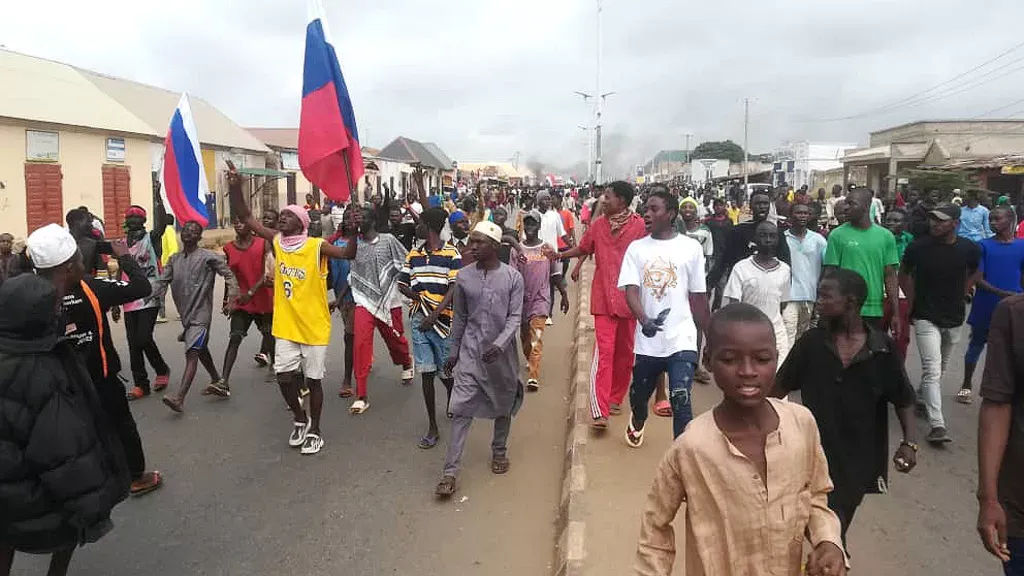
ABUJA, NIGERIA- In a concerning incident that highlights the growing tensions in Nigeria, the country's security forces have detained seven Polish nationals, including six students and a lecturer, for their alleged involvement in displaying Russian flags during recent protests against economic hardship.
According to Peter Afunanya, a spokesman for the Nigerian secret service, the Poles were arrested on Monday in the northern Kano state "because of where they were found during the protests and for displaying foreign flags." Afunanya, however, did not confirm whether the Poles were actively participating in the protests when they were detained.
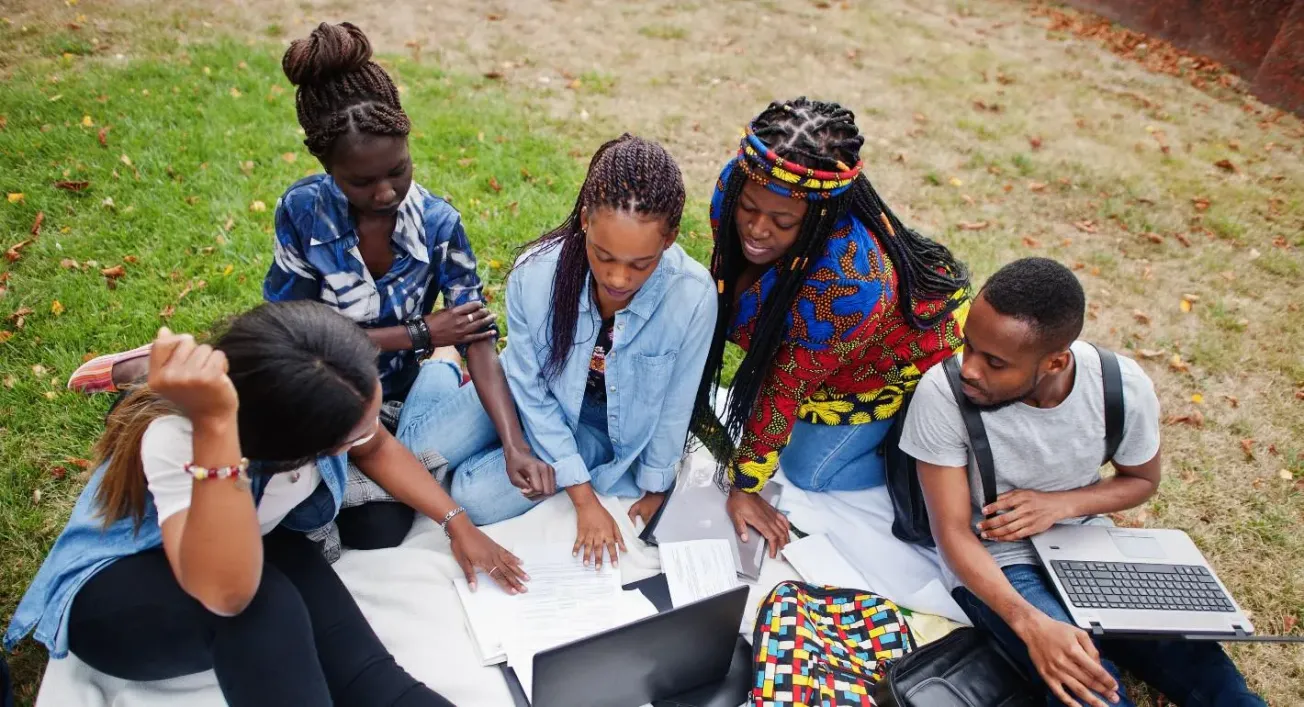
The Polish state news agency PAP has reported that the University of Warsaw has confirmed the detained individuals were part of a study trip organized by the university. Polish Deputy Foreign Minister Andrzej Szejna told PAP that the students "found themselves in the wrong place at the wrong time." He added that the Poles were not carrying any flags, but it seems their actions were "interpreted in this way."
The Nigerian secret service spokesman did not present any evidence of the Poles' involvement in the protests or their direct role in displaying the Russian flags. However, he stated that the agency was open to working with Poland to establish the "exact circumstances" of the incident.
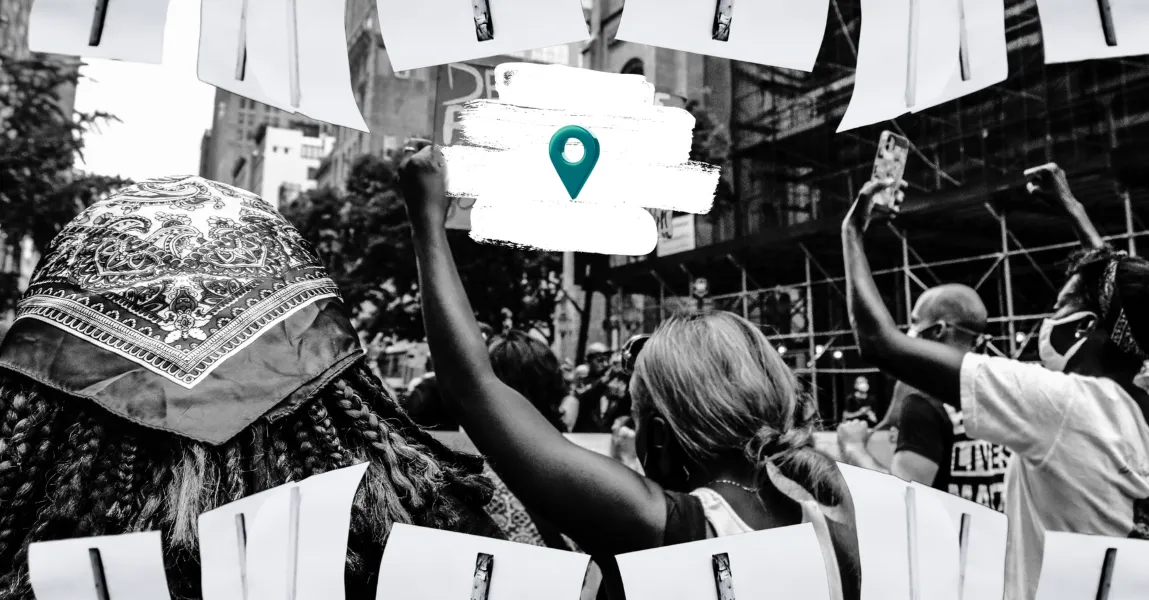
Thousands of Nigerians, mostly young people, have been taking to the streets in recent weeks to protest the country's worst cost-of-living crisis in a generation, as well as allegations of poor governance that have hindered the nation's development despite its status as a top oil producer.
In several northern states, a few protesters have been observed waving Russian flags, a trend that has previously been more common in African countries that have experienced military coups and have developed pro-Russian sentiments in the aftermath of severing ties with the West.
The Nigerian military chief, Christopher Musa, has stated that such acts of displaying foreign flags during protests constitute treason, which is punishable by death under Nigerian law. The Nigerian secret service had previously announced the arrest of tailors who were sewing the Russian flags and those they believed were "sponsoring" the distribution of these flags.
Analysts have expressed concerns that the emergence of Russian flags at Nigerian protests could be a dangerous development, indicating the growth of anti-Western and pro-Russian sentiments in parts of Africa. However, Russia has denied any involvement in the use of its flags during the demonstrations.
The detention of the Polish nationals has added an international dimension to the ongoing unrest in Nigeria. The Polish government has stated that its officials in Nigeria are working to establish the "exact circumstances" of the incident with Nigerian authorities.