Table of Contents
The conflict between Iran and Israel is one of the most serious geopolitical tensions in the Middle East. For decades, the two countries have been rivals, engaging in indirect confrontations, cyber warfare, and proxy battles across the region. In recent years, tensions have escalated dramatically, culminating in open military strikes, missile attacks, and the involvement of other global powers.
The Iran–Israel conflict is not simply a bilateral dispute; it involves ideological differences, regional influence, nuclear concerns, and alliances with powerful international actors. Understanding this conflict requires examining its historical roots, the events that triggered recent hostilities, and the potential consequences for global stability.
Historical Background of Iran–Israel Tensions
From Cooperation to Hostility
Before 1979, Iran and Israel had relatively cooperative relations. Under Iran’s Shah government, the two countries maintained diplomatic ties and economic cooperation. However, the 1979 Iranian Revolution dramatically changed this relationship.
After the revolution, Iran became an Islamic republic and adopted a strong anti-Israel stance. Iranian leaders described Israel as an illegitimate state and began supporting groups that oppose Israeli policies in the region.
This ideological shift laid the foundation for decades of hostility.
The Proxy War
For many years, Iran and Israel avoided direct war. Instead, they fought indirectly through proxy groups and regional allies.
Iran has supported organizations such as:
- Hezbollah in Lebanon
- Hamas in Gaza
- Various militia groups in Syria and Iraq
Israel has responded by targeting Iranian military infrastructure and leaders across the region, especially in Syria.
This long “shadow war” included:
- Cyber attacks
- Assassinations of scientists
- Airstrikes on military facilities
- Intelligence operations
Although these confrontations were intense, both countries generally avoided a full-scale direct war.
Key Causes of the Iran–Israel Conflict
1. Iran’s Nuclear Program
One of the biggest sources of tension is Iran’s nuclear program. Israel believes Iran is trying to develop nuclear weapons, which Israel sees as an existential threat.
Iran insists its nuclear program is for peaceful energy purposes. However, disagreements over nuclear inspections and uranium enrichment have created deep mistrust between Iran, Israel, and Western countries.
Israel has repeatedly warned that it will take military action if Iran develops nuclear weapons.
2. Regional Power Competition
Both countries aim to influence the Middle East.
- Iran seeks influence through allied governments and militias across the region.
- Israel works to maintain security and alliances with Western powers and several Arab states.
These competing ambitions have increased tensions in places like Syria, Lebanon, Iraq, and Yemen.
3. Ideological and Political Differences
The ideological divide between the two nations is significant.
Iran’s leadership has consistently criticized Israel’s existence and policies toward Palestinians. Israel, on the other hand, considers Iran’s leadership and military activities a direct threat to its survival.
These opposing political narratives fuel ongoing hostility.
The Escalation in 2025–2026
In recent years, tensions escalated into more direct military confrontation.
Israeli and U.S. Strikes on Iran
In February 2026, Israel and the United States launched large-scale military strikes on Iranian targets. These attacks targeted military bases, missile systems, and infrastructure, citing concerns about Iran’s nuclear capabilities and security threats.
The operation involved air and missile strikes across several Iranian cities.
Iranian Retaliation
Iran responded with missile and drone attacks against Israel and U.S. positions in the region. Iranian forces launched multiple waves of attacks targeting Israeli cities and military installations.
Some missiles hit residential areas, causing casualties and damage to infrastructure.
Reports indicate that more than 90 missile and drone attacks were attempted against Israel during the early phase of the conflict.
Casualties and Damage
The conflict has resulted in significant casualties and destruction.
- Over 1,000 people in Iran have reportedly been killed in strikes and attacks.
- Missile strikes have also caused deaths and injuries in Israel.
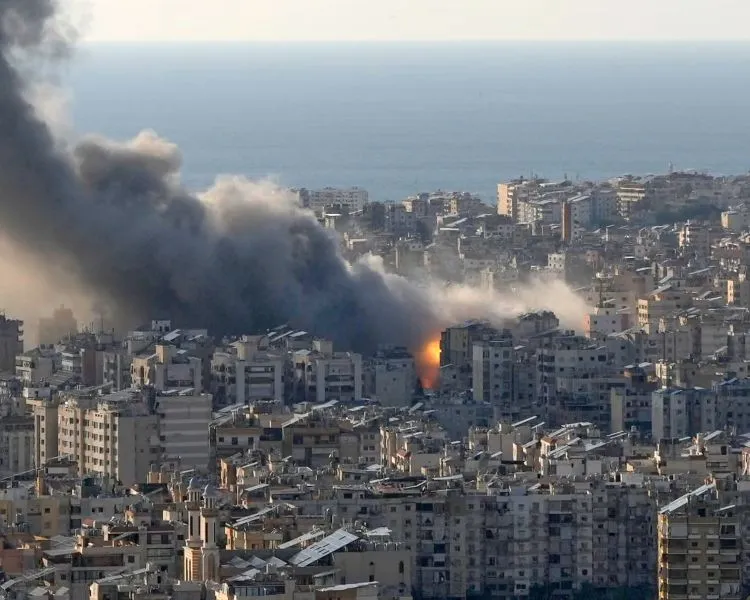
Airstrikes have damaged infrastructure including fuel depots and military facilities, while toxic smoke and environmental hazards have affected civilian populations in some areas.
Military Strategies Used by Both Sides
Israel’s Strategy
Israel relies on advanced technology and intelligence capabilities.
Key elements include:
- Precision airstrikes on military targets
- Cyber warfare operations
- Missile defense systems such as Iron Dome
- Intelligence operations to disrupt enemy capabilities
Israel also mobilized thousands of reservists and declared a nationwide state of emergency during the conflict.
Iran’s Strategy
Iran uses a combination of conventional military power and asymmetric warfare.
Its strategies include:
- Ballistic missile attacks
- Drone warfare
- Proxy militias across the region
- Cyber operations
Iran’s missile and drone capabilities allow it to strike targets hundreds or even thousands of kilometers away.
Regional and Global Impact
Impact on the Middle East
The Iran–Israel conflict has the potential to destabilize the entire Middle East.
Possible consequences include:
- Expansion of the conflict into Lebanon or Syria
- Attacks on Gulf countries
- Disruption of global oil supplies
Several regional actors are closely watching the conflict because it could affect their security and economic stability.
Global Economic Effects
The Middle East is a critical region for global energy markets.
A prolonged war could lead to:
- Rising oil prices
- Disruptions in shipping routes
- Economic uncertainty in global markets
Air travel and international trade have already experienced disruptions during periods of escalation.
International Reactions
The international community has responded in different ways.
Some Western countries support Israel’s security concerns, while others criticize the escalation and call for diplomacy.
European leaders and global organizations have urged both sides to reduce hostilities and protect civilians.
Diplomatic negotiations and United Nations discussions continue to focus on preventing a wider regional war.
The Risk of a Wider War
One of the biggest concerns is that the Iran–Israel conflict could escalate into a broader international war.
Several factors could expand the conflict:
- Involvement of additional regional militias
- Direct confrontation between Iran and the United States
- Attacks on major economic infrastructure in the Gulf region
If more countries become involved, the conflict could become one of the largest Middle Eastern wars in decades.
Possible Future Scenarios
Experts suggest several possible outcomes.
1. Escalation into Full-Scale War
The conflict could intensify with larger military campaigns and expanded attacks.
2. Limited Military Conflict
Both sides might continue limited strikes without escalating into total war.
3. Diplomatic Negotiation
International pressure could push both sides toward ceasefire negotiations and diplomatic solutions.
Conclusion
The Iran–Israel conflict is the result of decades of political rivalry, ideological differences, and regional power struggles. What began as a proxy confrontation has increasingly turned into direct military conflict.
Recent escalations involving missile strikes, air raids, and international involvement have raised fears of a wider war in the Middle East. The situation remains highly volatile, with global powers closely monitoring developments.
Ultimately, the future of the Iran–Israel conflict will depend on diplomatic efforts, regional alliances, and the willingness of both sides to avoid further escalation. The stakes are not only regional but global, affecting international security, energy markets, and geopolitical stability.