Table of Contents
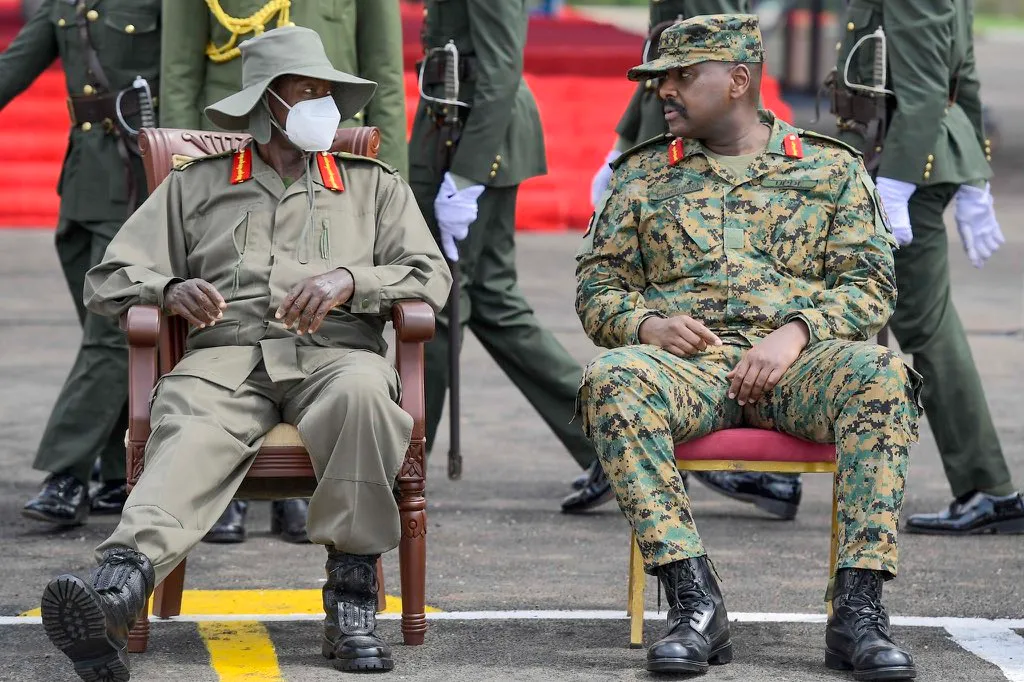
Ugandan military chief Muhoozi Kainerugaba declared plans to run for the country highest political office in 2031, positioning himself to take over from his father. President Yoweri Museveni has ruled Uganda since 1986, maintaining a firm grip on executive power for four decades. This public announcement cements long-running concerns about hereditary succession and elite political monopolization across the region.
How It Happened
Muhoozi Kainerugaba released a series of statements outlining his upcoming presidential campaign. The 52-year-old military leader expressed absolute confidence in securing victory with the backing of his 81-year-old father. Political tension in Uganda remains exceptionally high following elections that kept the ruling party in control, while prominent opposition figures face exile or imprisonment. Ruling elites continue to consolidate state apparatuses around family networks, leaving minimal space for genuine democratic competition.
Why it Matters
Openly plotting generational handovers exposes the dangerous illusion of democracy in nations where presidents rule for decades and treat state power as private property. When military leaders and ruling families carve out succession plans in plain sight, they reduce national elections to theatrical rituals. Until African citizens and regional bodies dismantle the culture of entrenched lifelong rule, the continent will remain hostage to leaders who confuse governance with family inheritance.