Table of Contents
We love a good democratic comeback story, but looking at Africa's modern political landscape reveals a frustrating, inescapable pattern. Decades after independence, the ultimate rule of the game seems unchanged: the sitting president almost never loses.
When elections across the continent routinely feature midnight raids, suspended tallies, and state-backed pressure, it is time to ask why leaders have done little to nothing to change a status quo that keeps handing them the crown.
The Reality
Zambia's electoral commission declared President Hakainde Hichilema the winner of a second term, securing roughly 60 percent of the vote against challenger Brian Mundubile. The outcome followed a chaotic week marked by armed raids, arrests of opposition figures, and hours of suspended vote counting.
International observers flagged a deeply uneven playing field, leaving citizens and experts alike questioning the true health of the region's democratic institutions.
How It Happened
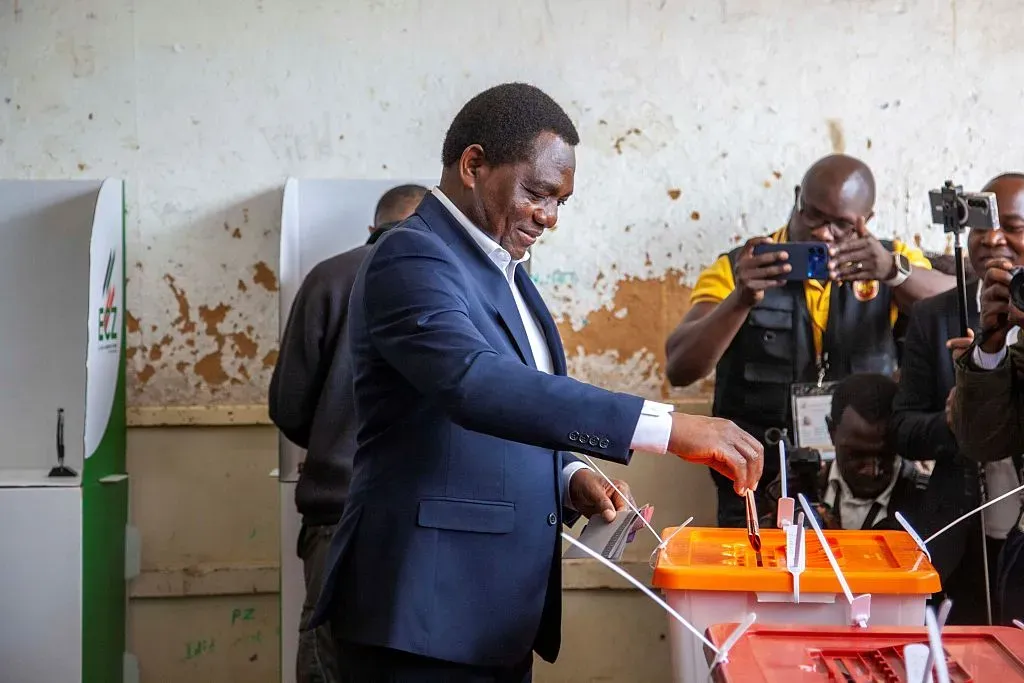
Millions of Zambians went to the polls in a high-stakes race dominated by economic strain and intense political friction. Days before voting began, security operations and arrests targeted major opposition figures, setting a tense tone for the country. On election night, things escalated further when armed raids at key political locations resulted in detentions and a swift halt to the tallying process.
As counting resumed, the incumbent's lead steadily widened until final tallies confirmed a decisive win. While international election observers pointed out heavy advantages favoring the ruling administration, the opposition rejected the final tallies entirely. This cycle of disputed outcomes and heavy-handed tactics mirrors a broader, continental script where the incumbent holds all the winning cards before a single ballot is dropped.
Why it matters
When political systems are engineered to ensure the person in power stays there indefinitely, elections stop being a democratic choice and start turning into an expensive, exhausting performance.
African citizens continue to show up with incredible resilience to make their voices heard, yet leaders stubbornly refuse to build independent institutions that can protect the will of the people. Until the continent breaks free from this toxic incumbency trap, economic progress and true political freedom will remain locked behind closed palace doors.