Table of Contents
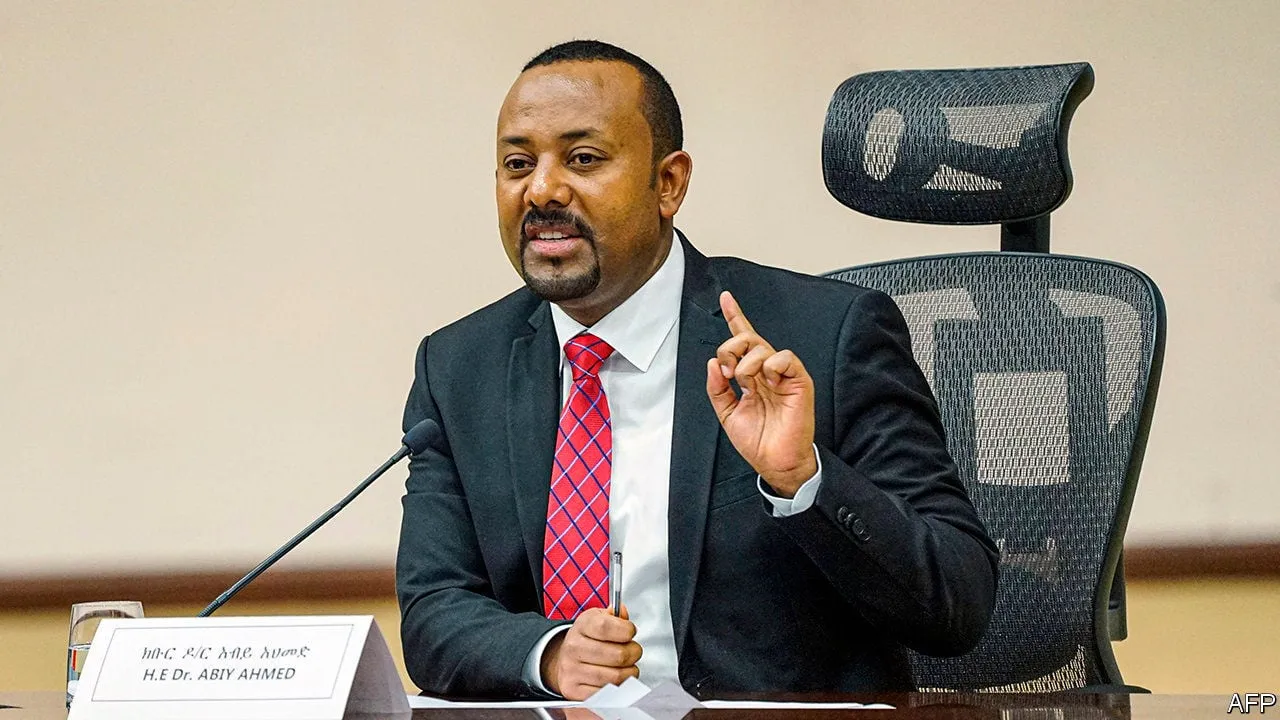
Ethiopian national dialogue participants endorsed massive constitutional overhauls that merge the roles of prime minister and president into a single dominant office. The weeks-long assembly concluded with thousands of delegates supporting the structural transition just months after the ruling party secured a landslide election victory. Critics warn that the sweeping changes create a dangerous blueprint for lifetime rule, paving the way for unchecked executive control.
How It Happened
Organizers gathered thousands of delegates for a state-backed national dialogue to address deep ethnic divisions and ongoing regional conflicts. The assembly produced formal recommendations to scrap the current parliamentary model in favor of an executive presidency that concentrates supreme governmental authority into one office.
Lawmakers will review the proposal when parliament reconvenes. Ruling party loyalists control the legislature completely, meaning the transition faces virtually no institutional barriers. Opposition groups boycotted the assembly and armed factions were barred from participating, leaving critics to argue that the entire process served as a rubber stamp for executive overreach.
Why it Matters
Building hyper-powered executive offices exposes a chronic continental addiction to authoritarian governance that consistently places absolute control above public welfare. When leaders dismantle checks and balances to concentrate power in a single seat, they leave nations dangerously vulnerable to whoever captures the office next. True continental stability will never emerge from super-presidencies designed to protect individuals, but from durable institutions that outlive any single ruler.