Table of Contents
Why Energy Matters Right Now
Energy has become the backbone of economic growth, social development, and technological progress.
Across the continent, rising populations, rapid urbanization, and expanding industrial sectors are pushing energy demand to unprecedented levels.
Countries are not only striving to meet domestic needs but also aiming to export power and natural resources to global markets. In 2026, Africa faces a major dilemma.
Decisions made today regarding energy investment, infrastructure, and policy will determine how efficiently economies grow, how reliably households access electricity, and how the continent manages its environmental commitments.
Balancing traditional fuels, renewable sources, and expanding access is now central to both national strategies and regional stability. For policymakers, investors, and citizens alike, energy is no longer a background concern but a long-term priority.
The Investment Surge: Big Money, Big Projects
African energy is experiencing a surge in both investment and visibility. Landmark projects, such as the $20 billion LNG development in Mozambique, signal renewed global confidence in the continent’s energy potential.
These large-scale undertakings create jobs, stimulate local economies, and position Africa as a significant player in global energy markets.
Foreign investors are increasingly partnering with local institutions, blending capital with regional knowledge. While the focus often falls on fossil fuels or megaprojects, the wider trend is digital integration.
From trading platforms to streaming services, even recreational activities like ang laro ng Tongits online rely on a consistent and reliable power supply. This underscores a simple but important point: energy infrastructure is a fundamental, long-term investment.
As digital adoption grows, stable electricity will continue to enable economic activity, innovation, and entertainment alike.
Natural Gas and LNG: The Transitional Backbone
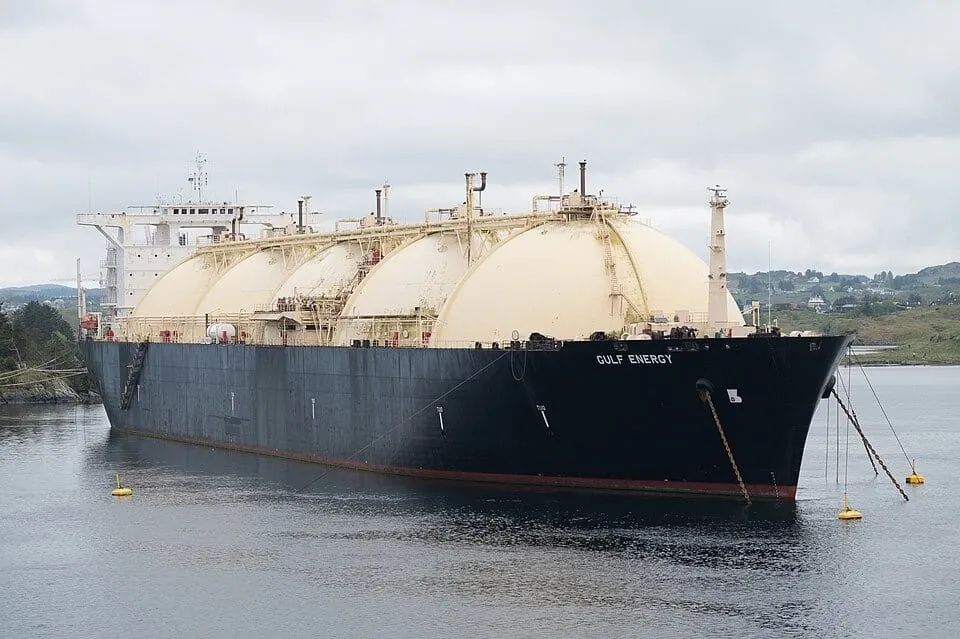
Natural gas remains central to Africa’s energy strategy, often described as a “bridge fuel” toward a low-carbon future.
Countries like Mozambique, Nigeria, and Angola are leveraging LNG exports to generate revenue while simultaneously developing domestic power grids.
Gas-fired power plants provide more predictable and flexible energy than many intermittent renewables, supporting both industrial growth and household electricity access.
The bridge-fuel approach is not without debate. Critics highlight the environmental impacts of continued reliance on fossil fuels, while proponents emphasize its role in stabilizing energy supply and funding renewable energy expansion.
Understanding this balance is crucial: gas is not the final goal, but provides a practical path to meeting immediate energy demands while planning for cleaner alternatives.
Renewables at Scale: Solar, Wind, and Storage
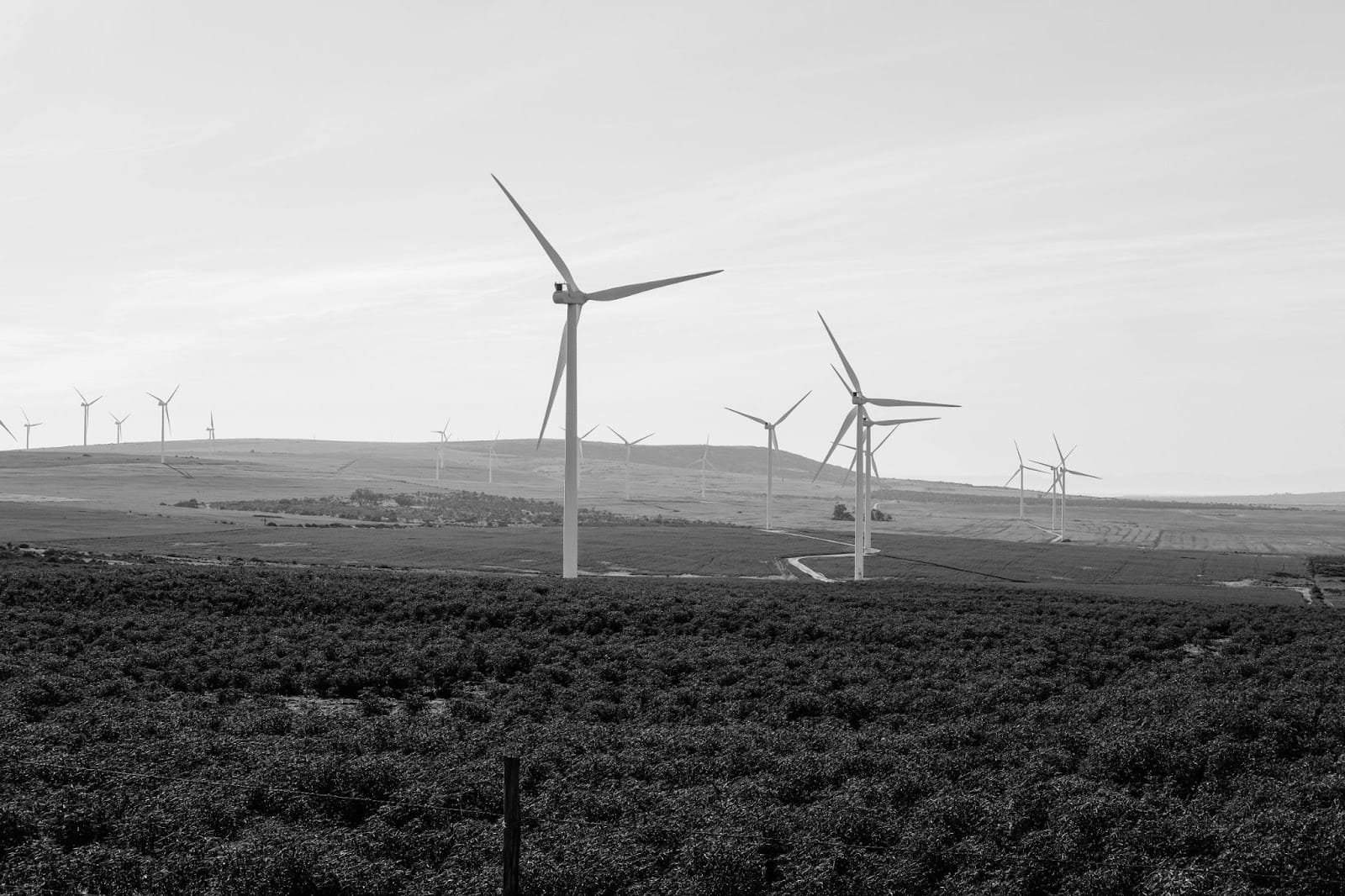
Renewable energy is rapidly moving from concept to reality in Africa. Countries like Kenya, Morocco, Egypt, and South Africa are deploying large-scale solar and wind projects, benefiting from declining technology costs and supportive policy frameworks.
These developments are transforming energy grids and expanding access in both urban and rural areas.
Battery storage and hybrid systems are becoming essential, ensuring reliability when solar and wind generation fluctuate.
Mini-grids and off-grid solutions are particularly valuable for remote communities, providing access where traditional infrastructure may be cost-prohibitive.
Africa’s solar potential is enormous, as estimates suggest it could meet a significant portion of the continent’s electricity demand if fully harnessed.
Policy, Planning, and Energy Governance
Effective energy policy is just as important as infrastructure. Governments are increasingly leveraging continental and regional data systems to guide planning, manage investments, and coordinate cross-border energy projects.
Regulatory frameworks that encourage investment while protecting local interests are essential for long-term stability.
Workforce development is also a priority. Training programs in renewable energy project delivery, system management, and technical maintenance ensure that African professionals are equipped to operate, maintain, and expand new energy systems.
This combination of policy, planning, and skill-building reduces the likelihood of blackouts, project delays, and financial risk.
The Core Challenge: Access, Affordability, and Reliability
Despite progress, significant gaps remain. Millions of households still lack reliable electricity, and an inconsistent power supply costs the economy billions of dollars annually.
Governments face the dual challenge of expanding access while keeping costs manageable and ensuring environmental sustainability.
Balancing these priorities requires strategic planning. Short-term projects must meet immediate demand, while long-term strategies should integrate renewable adoption and infrastructure resilience.
Only by aligning supply, policy, and finance can African nations meet growing energy needs efficiently.
What This Means Going Forward
In the short term, the focus will likely be on completing LNG and gas infrastructure while scaling existing renewable projects.
Medium-term priorities include workforce training, grid modernization, and expanding electricity access in underserved areas. These efforts directly affect industry competitiveness, economic growth, and quality of life.
Africa’s energy trajectory also has global implications. The continent is positioned to contribute to international climate goals while demonstrating innovative approaches to energy access, hybrid systems, and sustainable investment.
Decisions made in 2026 will shape the continent’s energy landscape for decades, defining both growth and resilience.
Energy as Africa’s Long Game
Africa’s energy sector is evolving along a dual-track path: natural gas provides a stable, immediate supply, while renewable energy offers a cleaner, long-term solution.
Investment, policy, and governance are all converging to address access, reliability, and sustainability.
The lesson is clear: energy is not merely a utility but an enabler of progress.
From industrial expansion to digital innovation, including the increasing prevalence of online platforms and entertainment, reliable power is fundamental.
In 2026 and beyond, Africa’s energy choices will not only drive growth but also define its role on the global stage.