Table of Contents
When military juntas and transitional leaders rush through massive laws that strip power away from parliaments, an exhausting question emerges. How many more nations must sacrifice democratic progress on the altar of absolute executive control before the continent learns that strongmen never build strong countries?
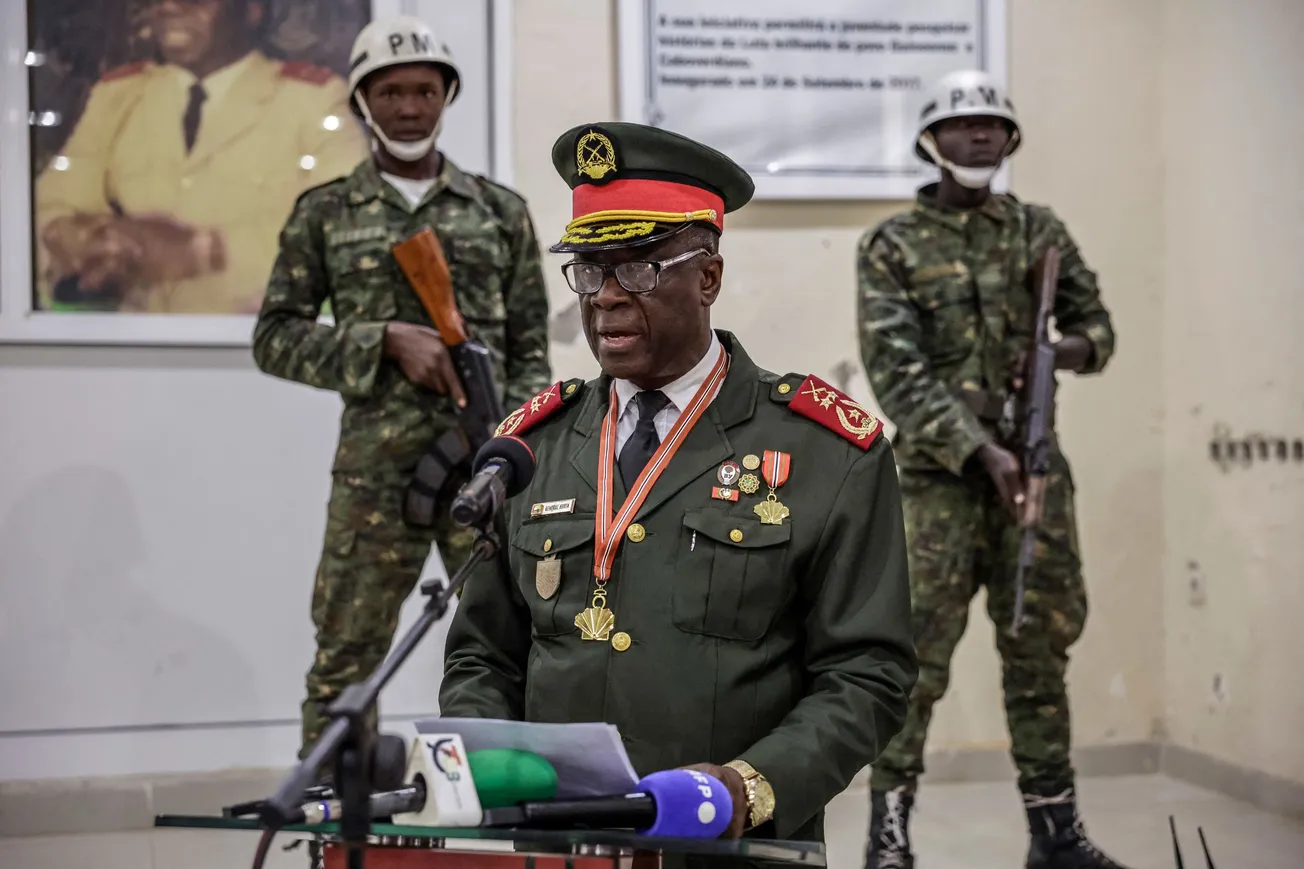
Voters in Guinea Bissau cast ballots on a controversial constitutional overhaul pushed by the ruling military junta. The sweeping changes transition the nation into a full presidential system, granting the head of state unilateral authority to appoint prime ministers, dismiss cabinets, and dissolve parliament at will. While authorities frame the referendum as a necessary fix for political gridlock, critics warn it cements authoritarian rule just months before scheduled elections.
How It Happened
The ruling military leadership, which seized control during a coup, scheduled the constitutional referendum to reshape the political landscape. The proposed amendments dismantle the previous semi-presidential structure where executive duties were shared.
Alongside empowering the presidency, the new charter shrinks the national parliament, redraws electoral zones, and introduces steep financial barriers for political candidates. Opposition groups and civil rights organizations condemned the process as rushed and heavily restricted, pointing out that public debate was sidelined. Despite local pushback, the government pushed the vote forward, mirroring a familiar continental playbook where transitional rulers rewrite the rules to institutionalize their own dominance.
Why it Matters
Guinea Bissau's constitutional gamble is just another symptom of a continent-wide disease where political survival trumps public service. When leaders treat state laws as flexible instruments to hoard power rather than protective shields for citizens, democracy becomes an empty theater. True political stability will never arrive through stronger dictators or centralized decrees, but through independent institutions that refuse to bow to whoever holds the gun.