Table of Contents
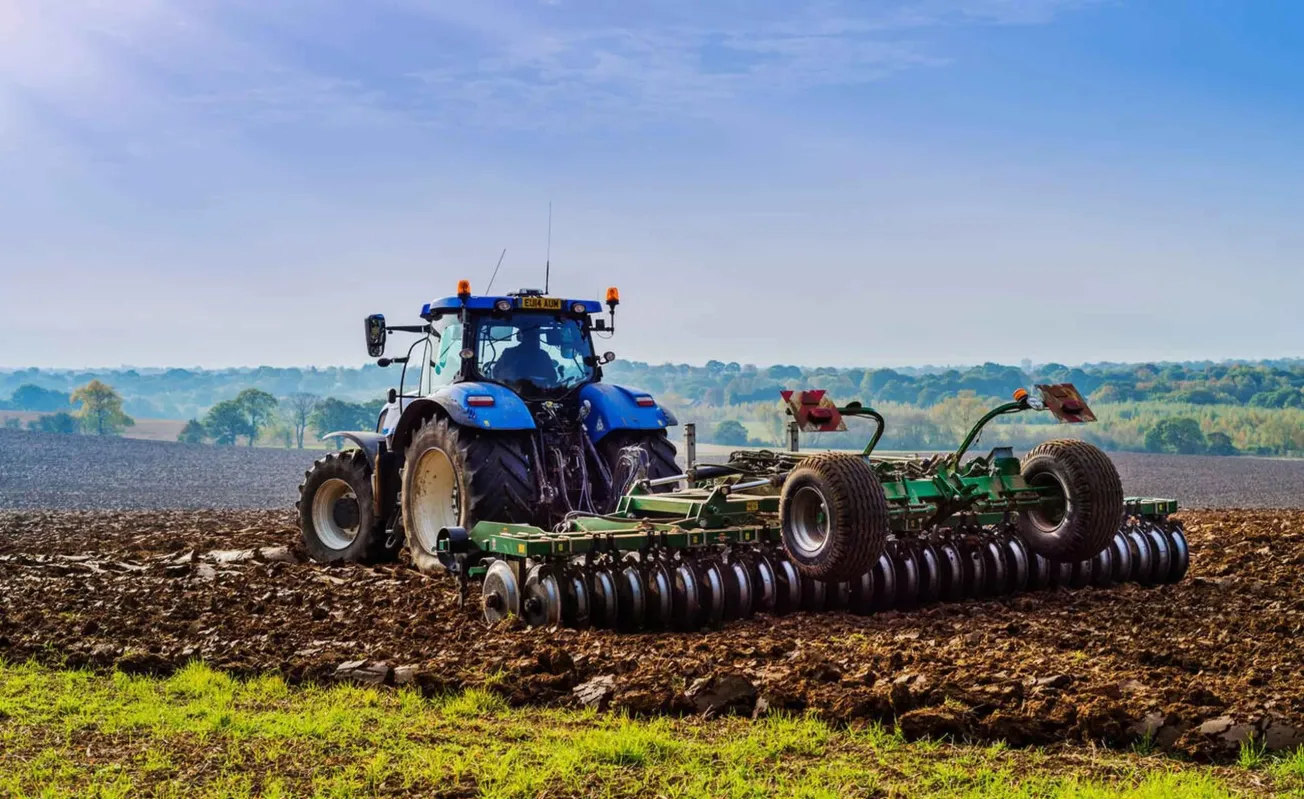
The agricultural and agro-processing sector across Africa stands at an unprecedented economic tipping point. Fueled by a massive consumer base of 1.4 billion people and surging global demand for specialty crops, the continent's food market expands at a rapid compound annual growth rate of 9.66%. With over 1.1 billion hectares of agricultural land holding roughly sixty percent of the world's untapped arable reserves, the region offers extraordinary return on investment for capital deployed into processing and value addition.
The Numbers Driving The Boom
Financial data proves that African agribusiness delivers exceptional value appreciation across multiple value chains. The broader continental food market scales rapidly toward a projected $1.25 trillion valuation, while agricultural exports alone surged by more than twenty percent over recent years.
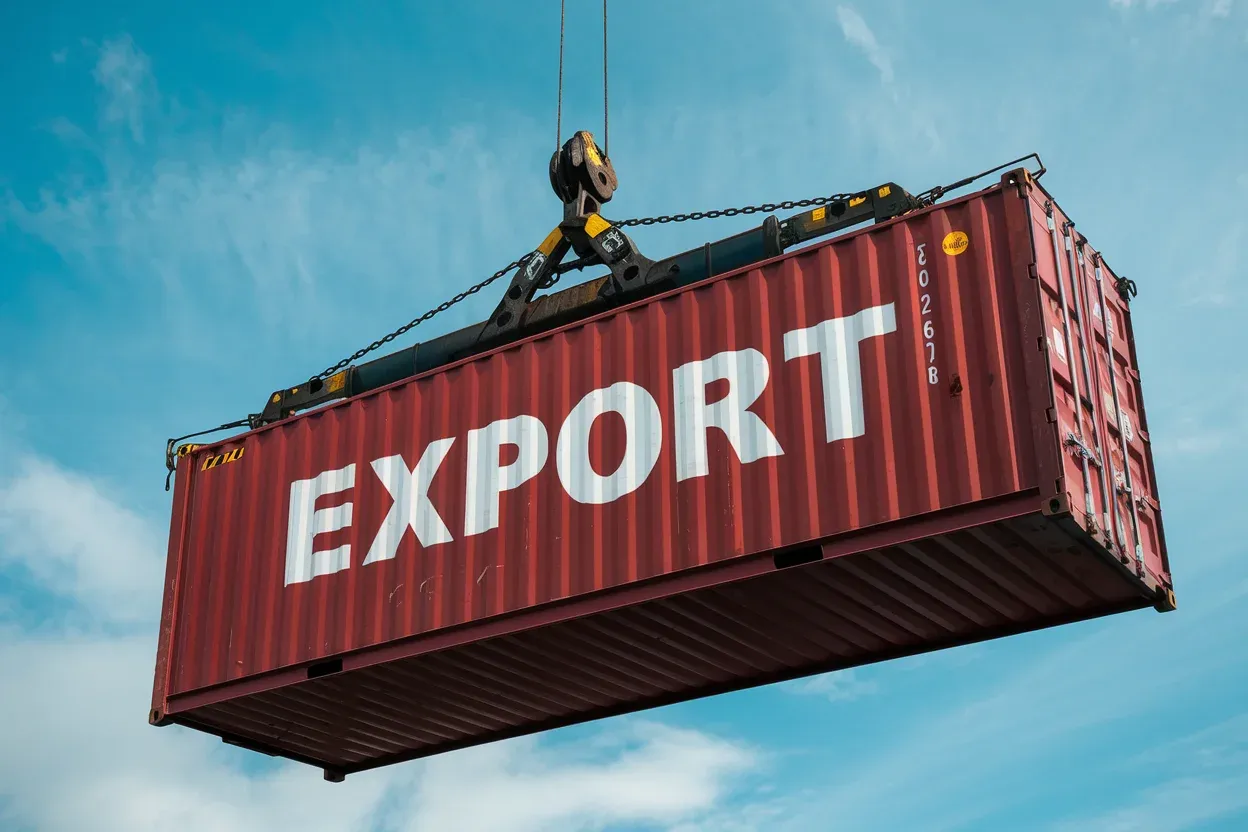
Agro-processing yields the highest return on investment because raw commodity exports forfeit massive profit margins to foreign manufacturers. Nations like Nigeria maintain a massive agricultural market valued at roughly $60 billion, contributing heavily to national export earnings through non-oil commodities like cocoa, sesame, and cashews. South Africa commands an agricultural market exceeding $30 billion powered by highly mechanized commercial farming, and Egypt generates over $40 billion through intensive export horticulture and food production.
Powerhouses Leading The Agro Revolution
1. Nigeria: Operating as the agricultural powerhouse of West Africa, Nigeria leads continental production in staples like cassava, yams, rice, and cash crops like cocoa and sesame, offering massive domestic scaling potential for processing plants.
2. South Africa: Combining advanced technology, commercial cold-chain logistics, and sophisticated financial backing, South Africa anchors Southern agricultural processing, particularly in citrus exports, wine, and grains.
3. Egypt: Utilizing advanced irrigation systems and strategic trade routes, Egypt dominates North African agricultural output in horticulture, dates, and food manufacturing for Middle Eastern and European markets.
4. Ethiopia: Ranking as a primary agricultural engine in the east, Ethiopia anchors global supply chains for premium coffee, oilseeds, and pulses, showing steady market expansion.
5. Tanzania: Emerging as a premier regional trade hub, Tanzania dominates East African cashew exports and pulse production while rapidly expanding local processing infrastructure.
Why The Diaspora And Foreign Capital Must Invest Now
Diaspora investors and foreign partners possess the exact financial leverage, technical expertise, and global market access required to transform raw African harvests into finished consumer goods. The African Continental Free Trade Area creates a single market encompassing 1.7 billion people and $6.7 trillion in combined consumer and business spending.
Investing in local agro-processing cuts out expensive shipping loops where raw materials leave the continent only to return as expensive finished goods. Backing local processing facilities captures immediate margin expansion, generates secure employment, and secures food sovereignty for local populations. Smart capital moves early into infrastructure, cold storage, and mechanized processing before valuations catch up with the continent's explosive growth trajectory.