Table of Contents
1. A 39-year-old dream hits a dead end
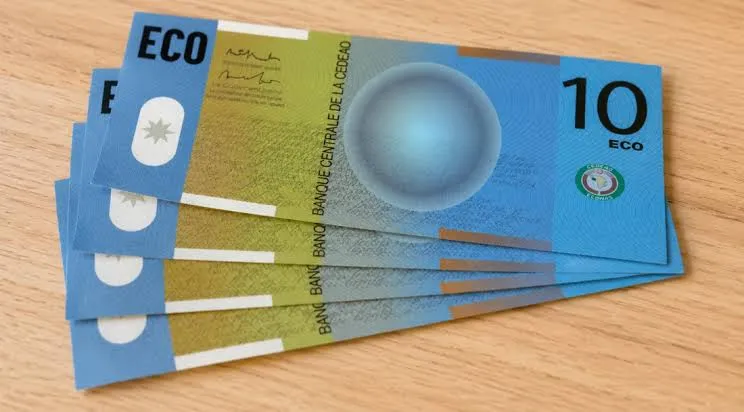
ECOWAS leaders first promised a unified regional money system back in 1987. The original launch date was set for 2003, but officials pushed the deadline to 2005, then 2010, then 2015, then 2020, and now July 2027. Four decades of continuous delays prove that monetary unification faces structural sabotage rather than simple administrative hiccups.
2. Guinea drops out to protect national financial control
Conakry officially declared that joining the eco monetary union fails to reflect local economic reality. Authorities decided to keep the Guinean franc as a shield for national economic sovereignty. With 80 percent of Guinean exports heading to Asian buyers, tying national monetary levers to neighboring West African central banks presents severe domestic risks.
3. The CFA franc remains a modern instrument of foreign control
The biggest roadblock to a unified African currency sits directly in Paris. Eight West African nations still use the CFA franc, a currency created during colonial rule that requires member states to deposit foreign reserves in the French treasury. This arrangement grants European financial authorities effective veto power over West African monetary decisions.
4. Paris pulled a strategic rebranding maneuver to split the region
When West African nations rallied around creating an independent eco, France pre-empted the movement by helping its former colonies rename their CFA franc to the eco. This maneuver divided the region. Ivory Coast backed the French-supported rebrand, while Nigeria and its allies demanded a fully sovereign central bank free from European interference.
5. Divide and rule tactics keep African economies fragmented
African disunity rarely happens by accident. External powers benefit when 54 African nations trade in dozens of separate currencies or remain tied to foreign central banks. Converting currencies for intra-African trade adds billions of dollars in foreign exchange fees, handing foreign banking conglomerates massive annual profits while impoverishing regional producers.
"Foreign financial interests actively work to hinder the ECOWAS eco project to maintain their historical grip on West African financial reserves."
Segui Boka, Ivorian Economist
6. Military junta exits fractured the union even further
The sudden withdrawal of Burkina Faso, Mali, and Niger from ECOWAS created another massive barrier to financial integration. These three nations left the political bloc after military takeovers, yet they remain bound to the West African Economic and Monetary Union. This split leaves regional monetary governance divided into competing political camps.
7. Convergence criteria function as artificial hurdles
ECOWAS monetary rules require every member nation to maintain single-digit inflation, low budget deficits, and strict debt limits before joining the eco. Up through 2011, only Ghana managed to meet all four primary requirements in a single year. Setting rigid economic benchmarks without building shared industrial capacity guarantees that developing member states remain perpetually disqualified.
8. True sovereignty requires breaking foreign financial chains
Guinea stepping out of the currency project signals a harsh truth about African integration. Regional unity cannot succeed while member states retain deeper financial loyalty to former colonial powers than to their own neighbors. Building genuine pan-African independence requires dismantling legacy imperial structures and establishing financial institutions owned entirely by African people.