Human Creativity Wins When Algorithms Start Copying Everything
AI can pump out copy in seconds, but the real spark still comes from context, mistakes, and empathy. A few practical habits help keep ideas fresh and your voice fair dinkum.
Africa investment analysis, market sizing, capital flows, sovereign debt tracking, and political economy risk assessments for institutional investors and corporate development teams.
AI can pump out copy in seconds, but the real spark still comes from context, mistakes, and empathy. A few practical habits help keep ideas fresh and your voice fair dinkum.
Africa’s strongest currencies did not come from its largest economies. They came from countries that avoided drama, controlled inflation, and treated monetary stability as survival, not politics.
eams that research competitors, test products, or verify how services look in different regions may rely on tools like a Floppydata proxy provider to keep workflows stable and comparable across markets.
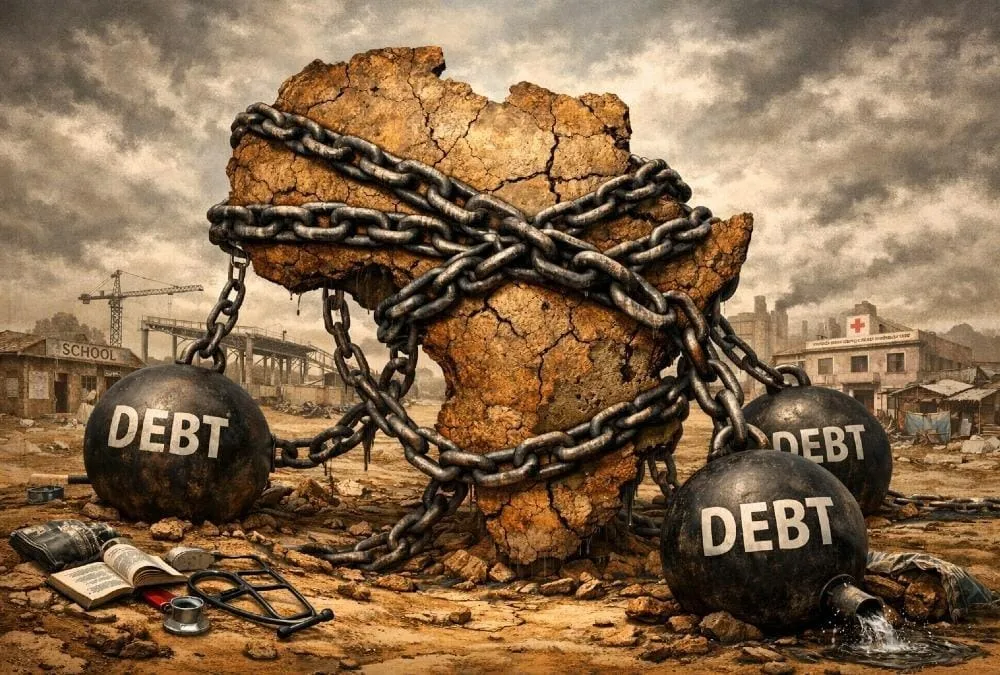
Africa’s debt crisis is no longer abstract. Weak revenues and costly commercial borrowing are cutting jobs, raising inflation, and slowing growth, turning debt into a direct constraint on everyday economic life.
African countries are borrowing more not because of poor discipline, but because limited revenues, infrastructure needs, foreign-currency debt, and global crises make debt the only viable way to finance growth.
From trading platforms to streaming services, even recreational activities like ang laro ng Tongits online rely on a consistent and reliable power supply.
Africa’s military aircraft fleets in 2026 reveal how strategic planning, modernization, procurement, and regional security priorities shape air power across the continent.
By 2026, several African countries are projected to have public debt levels equal to or higher than their entire economic output.
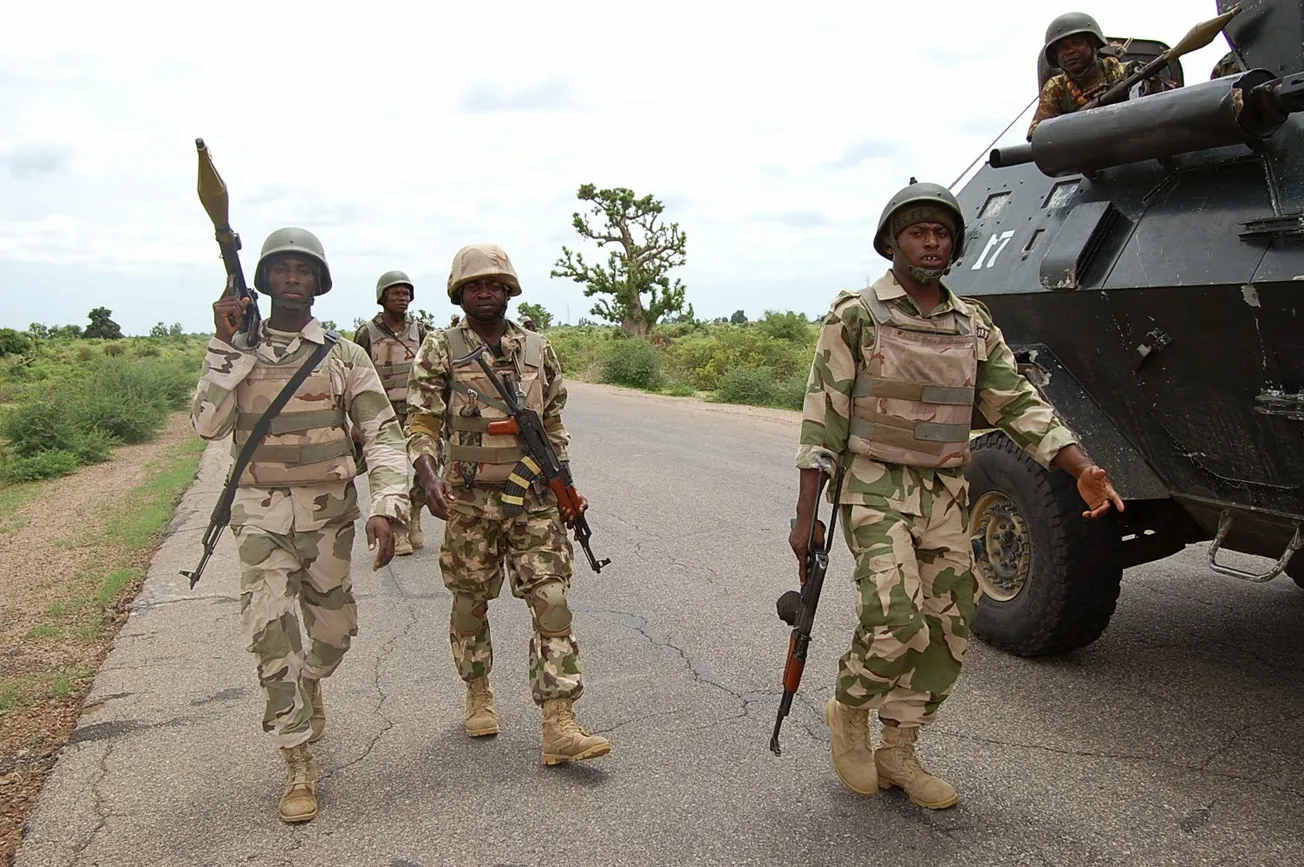
Africa’s leading militaries in 2026 are shaped by decades of state investment, modernization programs, and strategic defense planning that define their continental and global standing.
Analysis of Africa’s top 10 IMF debtors in early 2026 reveals how fiscal deficits, commodity reliance, and reforms shape economic stability and growth prospects.
Africa’s manufacturing shift is redefining exports, with countries like South Africa, Egypt, and Morocco leading in consumer goods production. In 2025/2026, exports now include vehicles, electronics, textiles, processed foods, and household goods.
Choosing a trustworthy crypto casino matters more than flashy bonuses or fancy graphics.
Projections for 2026 show shifting GDP in Africa as structural reforms, investment flows, and demographic trends reshape economic output across the continent.
In 2025, active IPO markets reshaped Africa’s financial landscape, enabling governments and firms to raise capital, deepen market liquidity, and attract global investors. Across the continent, IPOs became key drivers of growth, reform, and investor confidence.
Africa’s textile and apparel exports are led by countries combining industrial scale, trade access, and modern manufacturing. These top exporters are reshaping Africa’s role in global fashion supply chains value around $1.7 trillion to $2 trillion for apparel and $835 billion for textile.
In 2025, African government tech-acceleration programs fueled startup growth, digital skills development, and innovation ecosystems, creating opportunities for entrepreneurs, attracting investment, and strengthening the continent’s role in the global tech economy.