Table of Contents
1. The Price Tag Excluded Everyday Commuters
Project planners set ticket prices between 70 and 90 U.S. cents per trip. That single fare costs six to eight times more than a local minibus ride. With average monthly salaries hovering around $72 and three quarters of the country living in poverty, local residents could not afford the service. Ridership collapsed within weeks of the grand opening.
2. French Lenders and Contractors Secured Their Money First
French financial institutions and engineering firms backed the three-year construction effort. The French Treasury and private lenders extended $173 million in loans to finance the work. European contractors collected their payments for building the lines, leaving Madagascar with long-term debt obligations regardless of whether the system operates.
3. High-Tech Gondolas Preceded Basic Public Utilities
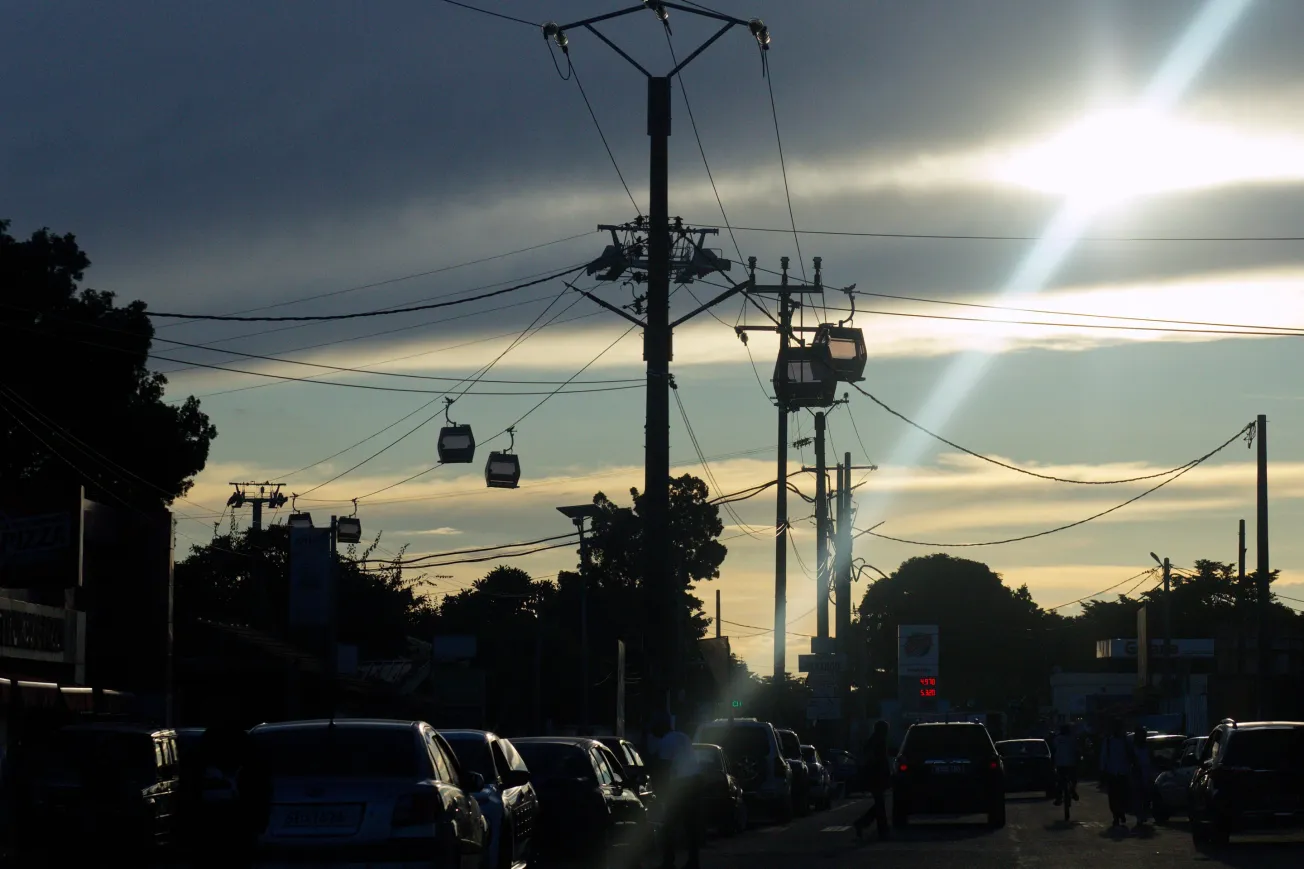
Government officials prioritized aerial cable cars over fundamental urban needs. Antananarivo residents face daily electrical blackouts and chronic water shortages. Protesters viewed the shiny gondolas as a symbol of wasteful government spending, leading to youth-led demonstrations where crowds damaged stations during political unrest.
4. A Political Coup Left The Infrastructure In Limbo
The backlash against government spending contributed to a military coup that removed President Rajoelina from office late last year. Former army colonel Michael Randrianirina now heads a transitional administration. The new government has provided no operational plan or budget to restart the cable car system.
5. Foreign Transit Models Replaced Local Priorities
Former leadership argued that marshy ground prevented light rail construction. Instead of upgrading the existing minibus network or paving local roads, the administration imported an expensive European urban transit model. The system remains suspended over the skyline, serving as a caution against importing foreign infrastructure without local affordability.
Why it matters: Madagascar borrowed $173 million to import a European transit model into a city where most residents cannot afford a single ticket. The national debt remains active even though the gondolas stopped moving. Financial value transferred from a developing country's treasury directly to foreign lenders and contractors.