Table of Contents
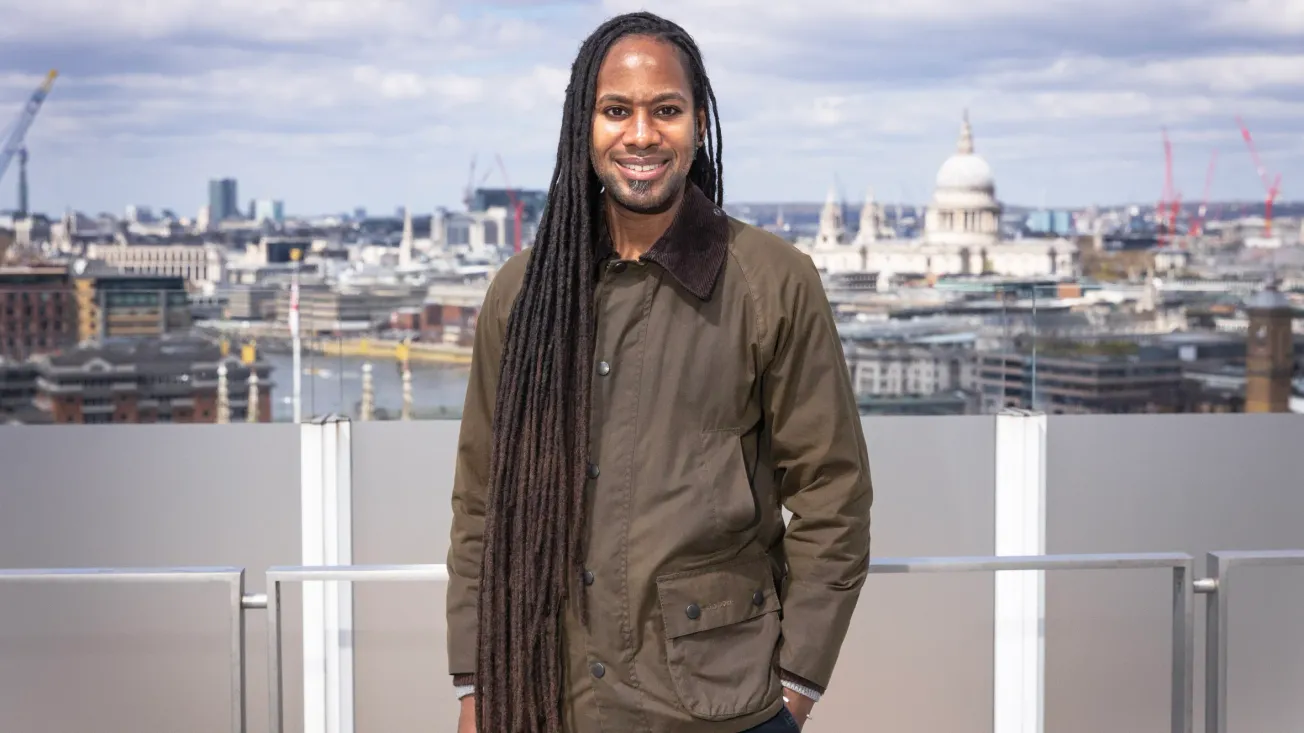
The sudden death of 41-year-old Jason Arday in south London has left the academic world in profound shock, transforming a bitter institutional controversy into an unmitigated human tragedy.
Just days after stepping down from his prestigious post, the brilliant sociologist's untimely passing has sparked urgent conversations across Britain about relentless public scrutiny, institutional pressure, and the heavy toll of sudden public disgrace.
The Reality
Jason Arday was found unresponsive at a home in Battersea, ending a life defined by extraordinary milestones and intense final weeks of controversy. Metropolitan Police confirmed his death was unexpected but not treated as suspicious, arriving less than two weeks after he resigned from his professorship amid allegations of plagiarism and questions surrounding his background. While his family spoke out against a destructive campaign of sustained abuse, public figures and colleagues are left reflecting on the pressures that drove a historic career to such a heartbreaking close.
How It Happened
Jason Arday captured global headlines in 2023 when the University of Cambridge appointed him professor of sociology of education at just 37, making him the youngest Black professor in the institution's 800-year history. His inspiring personal journey—overcoming developmental hurdles that left him non-verbal until childhood—cemented him as a symbol of modern academic progress.
However, that narrative shifted dramatically when public investigations raised serious questions regarding his 2015 doctoral thesis, alongside challenges to his athletic achievements and fundraising claims. Though Arday denied deliberate academic misconduct and received backing from numerous supporters who viewed the attacks as a coordinated smear, Cambridge announced an independent inquiry.
Overwhelmed by the crushing public commentary, Arday resigned on August 5, stating he had reached the absolute limits of endurance. Nine days later, police responded to an emergency call at his home, where he was pronounced dead at the scene.
Why it matters:
When academic institutions and modern media machinery turn high-profile success stories into blood sport, the human cost is rarely factored into the spectacle. The ferocious public shaming that followed Jason Arday's appointment exposes a toxic culture where intellectual achievement under a microscope invites destruction rather than support. Until society learns to separate genuine institutional accountability from vicious public hounding, trailblazing figures will continue to pay the ultimate price for breaking historic glass ceilings.