Table of Contents
Representatives from the Congolese government and the M23 rebel coalition finalized a structured roadmap for future negotiations following high-level meetings in Switzerland. Mediated by international partners, the agreement sets timelines for peace protocols and introduces a standardized mechanism to monitor active ceasefire violations. Yet, as armed conflict continues to devastate eastern provinces, citizens are left wondering if this new diplomatic pact will amount to anything more than empty promises.
How It Happened
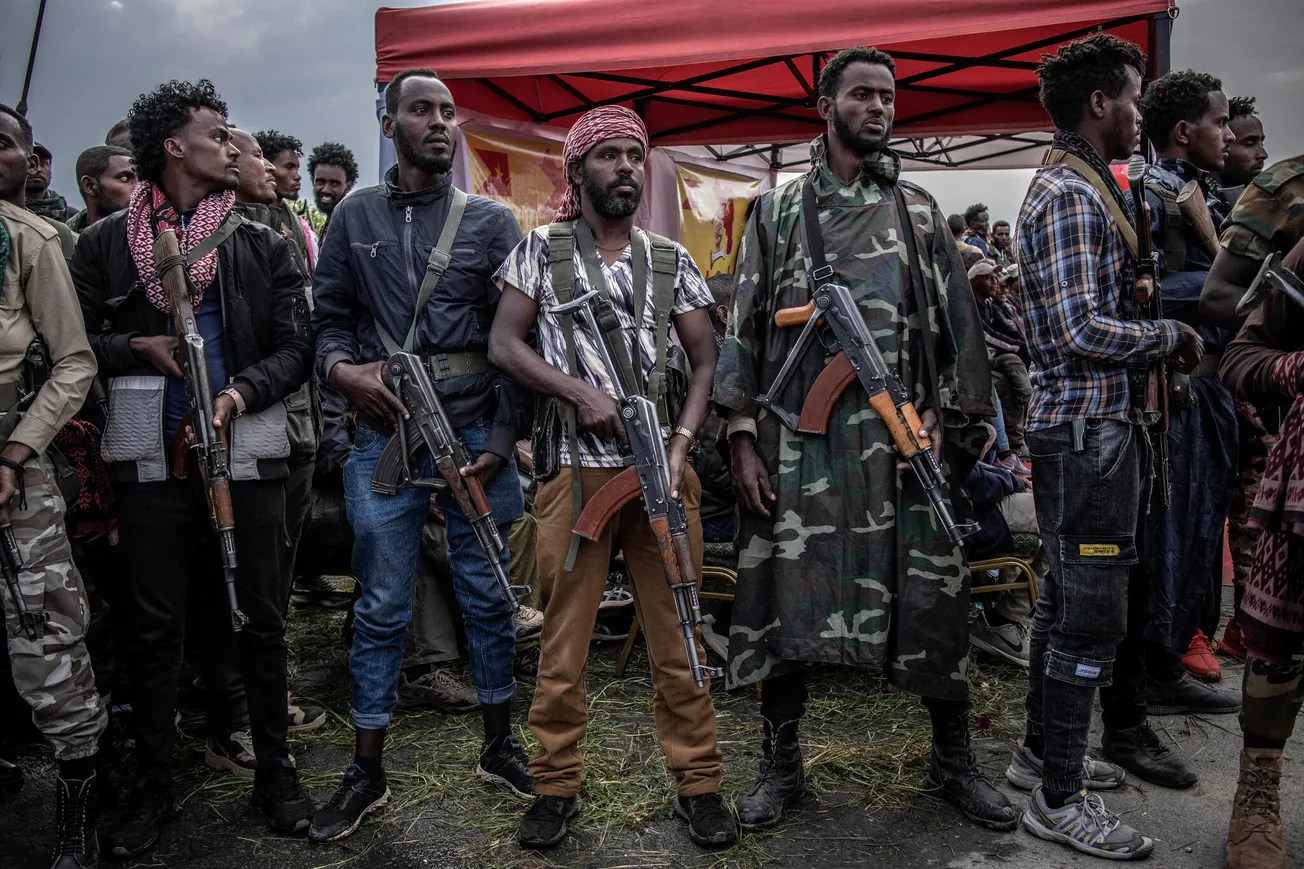
Delegates from Kinshasa and the M23 movement gathered behind closed doors to assess the stalled progress of previous accords. Years of brutal fighting have displaced millions of people and left vast swathes of mineral-rich territory under rebel control.
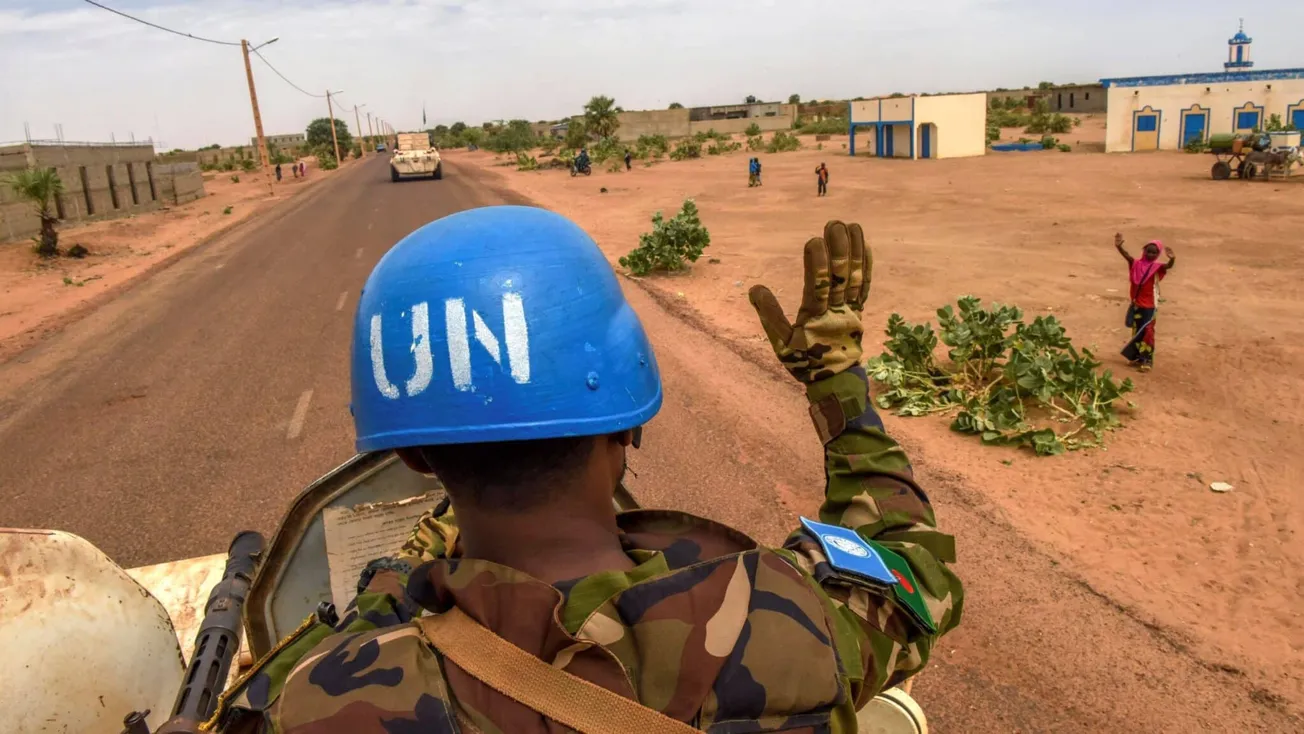
Under international mediation involving regional and Western powers, both factions hashed out a timeline of sequenced steps designed to revive peace discussions. The parties committed to establishing verification missions to investigate ceasefire breaches on the ground. Despite these formal handshakes in European conference rooms, local sources report that violence on the ground persists, proving that battlefield realities rarely obey diplomatic timelines.
Why it matters
Signing roadmaps in foreign capitals serves as a convenient theatrical performance for leaders who benefit from a perpetually destabilized eastern Congo. While international mediators celebrate procedural milestones, the core economic and political grievances fueling the conflict remain entirely unaddressed by regional governance. Until African states take absolute control of their own security architecture instead of outsourcing peace to foreign hotels, the continent will keep watching its children bleed over stolen soil.