Table of Contents
South Africa is so unequal because apartheid created a system that concentrated land, wealth, education and economic opportunities among the white minority, and many of those inequalities have continued after apartheid ended because of high unemployment, unequal skills and slow economic transformation. Today, South Africa has one of the highest inequality levels in the world, with a Gini coefficient of about 0.63, showing a society where income and wealth remain heavily concentrated among a small section of the population.
The country’s inequality is not only a gap between people who have money and those who do not. It is the result of how South Africa’s economy was structured for much of the 20th century. Apartheid, which officially lasted from 1948 to 1994, created laws that controlled where people could live, work, study and own property. These policies gave the white minority greater access to economic opportunities while restricting the majority of Black South Africans from building wealth.
One of the clearest examples was land ownership. In 1913, the Natives Land Act restricted Black South Africans from owning land outside designated areas. The law initially limited African land ownership to about 7% of South Africa’s territory, later expanded to about 13% under the 1936 Native Trust and Land Act. This meant that approximately 87% of land remained under white ownership. Because land was a major source of wealth, housing security and economic opportunity, these restrictions prevented generations of Black South Africans from accumulating assets at the same rate as white South Africans.
Apartheid also created unequal access to education. The Bantu Education Act of 1953 established a separate education system for Black South Africans that received fewer resources and was designed to prepare students for limited economic roles. Since education determines access to skilled jobs and higher incomes, unequal schooling created unequal economic outcomes that continued beyond the end of apartheid.
When apartheid ended in 1994, South Africa achieved political equality, but economic inequality remained deeply rooted. The groups that entered democracy with greater wealth, better education and stronger economic networks retained many of those advantages, while many Black South Africans began the new era without the assets accumulated by white South Africans over decades.
The scale of this wealth gap remains visible today. According to the World Inequality Database, the richest 10% of South Africans own around 86% of the country’s wealth, while the top 0.1% control nearly one-third of total wealth. This makes South Africa one of the most unequal societies globally, even though it has one of Africa’s largest and most developed economies.
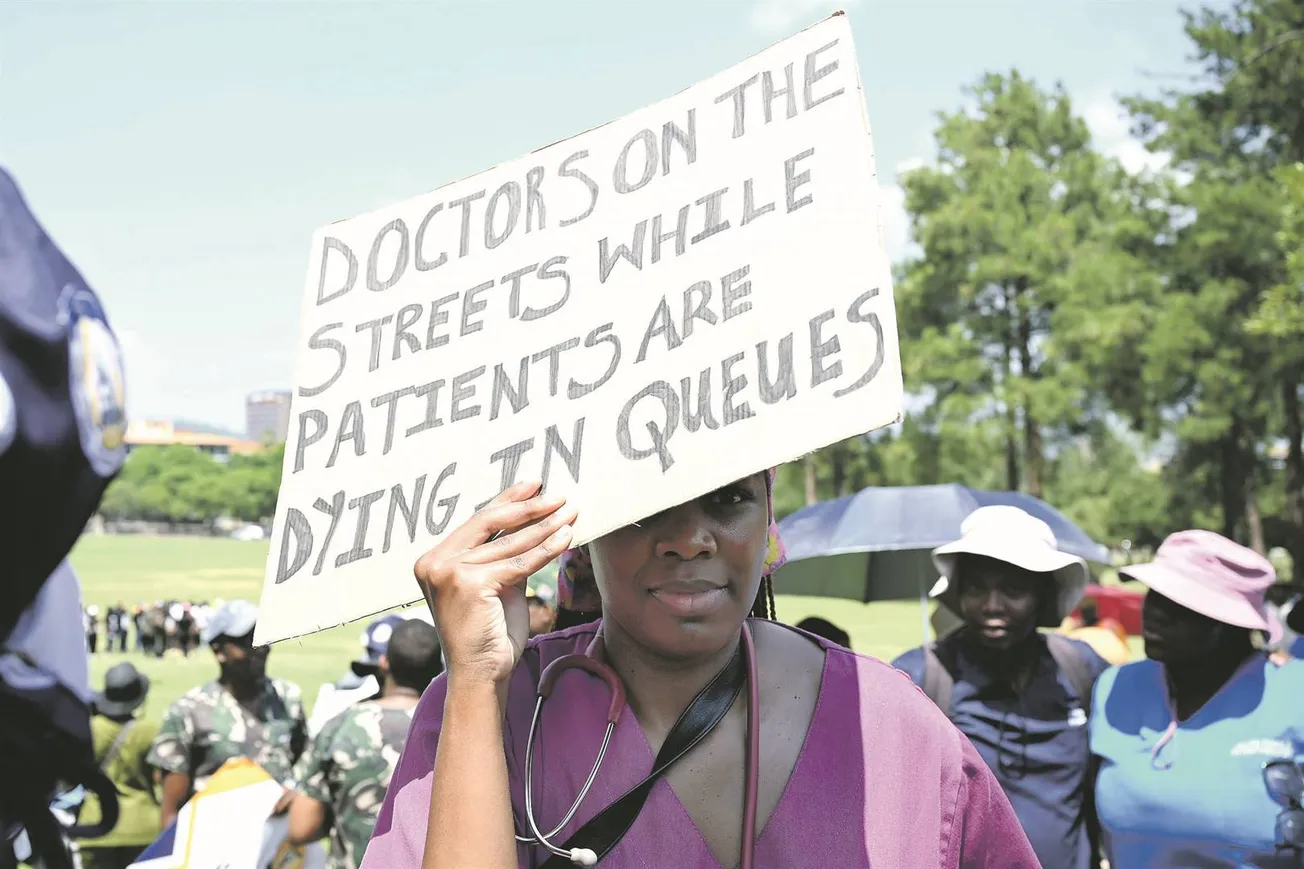
Unemployment has made it harder to reduce this inequality. South Africa’s economy produces significant wealth through mining, finance, manufacturing and services, but millions of people remain excluded from formal employment. In Q1 2026, the country’s official unemployment rate stood at 32.7%, with about 8.1 million people unemployed. Young South Africans face an even greater challenge, with youth unemployment remaining above 40%.
High unemployment matters because work remains one of the main ways people gain income, build savings and improve their living conditions. When large numbers of people cannot access stable jobs, economic growth benefits those who are already connected to opportunities while leaving many households behind.
The structure of South Africa’s economy also contributes to the persistence of inequality. During apartheid, industries such as mining, manufacturing and finance developed within a system where white South Africans had greater access to skilled positions, professional careers and business ownership. After 1994, laws changed, but transforming economic participation has been slower than political transformation.
Land remains another major part of the inequality debate. For many South Africans, unequal land ownership represents the wider economic imbalance created during colonialism and apartheid. Although land reform programmes have transferred some land ownership since 1994, progress has been slower than many expected, keeping land at the centre of discussions about wealth and economic justice.
South Africa’s inequality therefore comes from the combination of a historical system that created unequal starting points and modern economic challenges that have slowed the closing of that gap. Apartheid created racial inequality in land, education and employment, while unemployment, skills shortages and unequal access to opportunities have allowed many of those differences to continue.
The country’s challenge is not a lack of economic potential. South Africa has one of Africa’s largest economies, abundant natural resources, advanced financial institutions and strong industrial capacity. The challenge is ensuring that more citizens can participate in and benefit from that economy.
More than 30 years after apartheid ended, South Africa remains unequal because the country is still dealing with the economic consequences of a system that shaped who owned wealth, who received opportunities and who could participate in the economy. Understanding that history explains why inequality remains one of the country’s biggest challenges today.