Table of Contents
In Summary
- Mauritius, Algeria, Rwanda, Egypt, Mauritius lead Africa with structured government-backed tech-acceleration programs.
- Government Tech-Acceleration Programs in Africa include innovation hubs, AI initiatives, startup mentorship, and regulatory support.
- Initiatives by government focus on talent development, digital skills, and infrastructure to scale local startups.
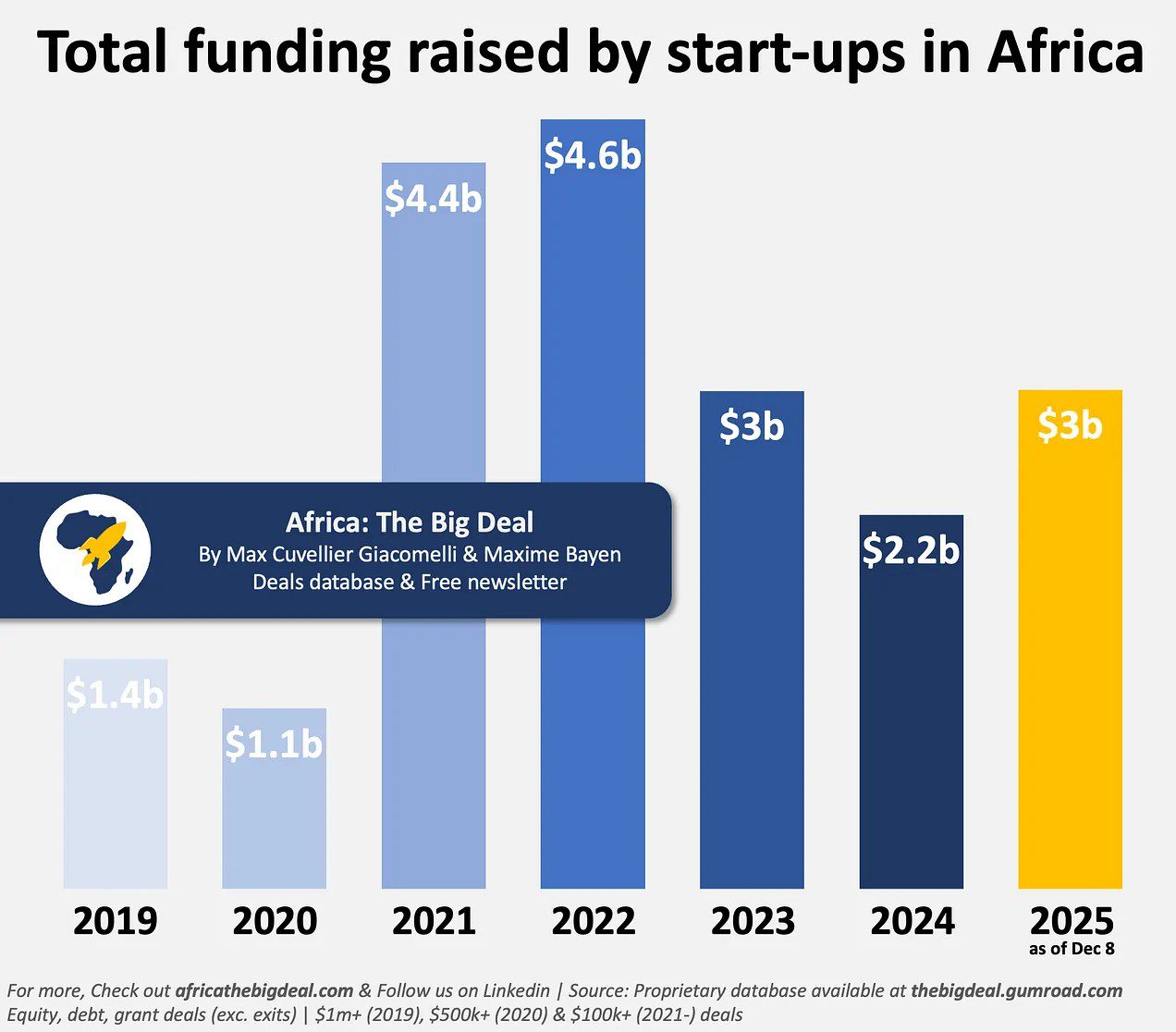
- Government involvement strengthens investor confidence and fosters regional and international competitiveness.
Deep Dive!!
Sunday, 18 January 2026 – In 2025, African governments increasingly recognised that fostering innovation and technology adoption is key to economic growth, job creation, and global competitiveness. Across the continent, public initiatives aimed at accelerating startups, expanding digital skills, and strengthening tech ecosystems have become central to national development strategies. From AI research programs to dedicated innovation hubs, these programs provide both structural and financial support for entrepreneurs, enabling local ventures to scale and compete regionally and internationally.
Countries such as Mauritius, Algeria, Rwanda, and Egypt have taken the lead with comprehensive tech-acceleration frameworks that integrate regulatory support, talent development, and infrastructure investment. By combining policy, funding, and ecosystem-building, governments are transforming their national landscapes into fertile grounds for technology-driven growth. These initiatives are creating opportunities for innovators, attracting foreign investment, and positioning Africa as a rising force in the global digital economy.

10. Ghana
Ghana has emerged as a promising hub for tech acceleration by integrating digital innovation into national planning and forging strategic international partnerships. The Ghana Digital Acceleration Project (GDAP) focuses on expanding broadband access, strengthening digital public services, and fostering innovation across sectors, laying a foundation for startup growth and tech adoption at scale. Such government backing enhances ecosystem readiness for local tech ventures and attracts more private interest.
Beyond domestic policy, Ghana’s engagement with international partners aims to catalyse further technological growth. For example, government support for innovation hubs and collaborative agreements help position the country as a gateway to West African markets. These multi layered government efforts contribute to an increasingly visible startup ecosystem and signal strong intent to accelerate tech participation at multiple levels.
Ghana’s youth focused digital initiatives, including tech skills development and public sector digitisation, continue to generate momentum for a broad acceleration landscape where startups can grow, scale, and compete regionally. Such coordination between public policy and innovation infrastructure secures Ghana’s place on this list.
9. Nigeria
Nigeria remains one of Africa’s most ambitious tech acceleration leaders, driven by government backed initiatives aimed at building a robust digital talent pipeline. The 3 Million Technical Talent (3MTT) programme exemplifies this commitment by training millions in high demand tech skills, including AI, data science, cybersecurity, and software development, with the goal of positioning Nigeria as a net exporter of tech talent.
Complementing national training efforts, public private innovation spaces like the Ilorin Innovation Hub, established through government partnership with private tech organisations, support local entrepreneurs through incubation, mentorship, and structured accelerator programming. These physical hubs anchor regional growth and nurture early stage startups by offering access to skills, networks, and resources.
Nigeria’s broader policy environment also includes the Nigeria Startup Act, which provides formal recognition, startup friendly regulations, and governance structures that empower founders and investors alike. While implementation continues, these legislative frameworks are stabilising the ecosystem and enhancing government support for tech acceleration.
8. Ethiopia
In late 2025, Ethiopia unveiled Digital Ethiopia 2030, a comprehensive digital transformation blueprint that places technology at the centre of national development. The strategy prioritises expanding digital infrastructure, fostering AI adoption, enhancing digital literacy, and integrating e government services, all key ingredients for a vibrant tech acceleration environment.
Ethiopia’s approach emphasises inclusive access to technology, aiming to build capacity across urban and rural populations and connect millions of users to public digital services. By embedding digital skills training and innovation support within national policy, the government directly strengthens the foundation upon which tech startups and scale ups can accelerate.
The government’s commitment to enabling infrastructure and policy coherence enhances ecosystem predictability, a critical factor in attracting both domestic and foreign tech entrepreneurs and investors looking to participate in early stage markets across Africa.
7. Kenya
Kenya’s government has long championed innovation and digital acceleration, often referenced as “Silicon Savannah” due to its thriving startup environment. In 2025, this reputation was reinforced through regulatory support, policy dialogues, and public sector engagement in joint acceleration programs. Initiatives like the Africa Tech Policy Summit bring public officials and private stakeholders together to harmonise tech governance frameworks and support innovation ecosystems.
Collaborative programs such as the UNDP led Sustainable Innovation Seed Accelerator, offered in Nairobi, leverage public infrastructure and international partnerships to support startups designing solutions in sustainability and technology, showcasing how government engagementamplifies acceleration outcomes across sectors.
Kenya’s policies also target AI research, data governance, and digital public services, aiming to create a more enabling environment for tech ventures. Such ongoing engagement places Kenya consistently among Africa’s most supportive countries for emerging technology ecosystems.

6. Rwanda
Rwanda’s government has adopted a visionary stance toward tech acceleration, anchored by long term infrastructure projects such as Kigali Innovation City, which integrates startups, universities, research facilities, and corporate partners in a master planned innovation cluster. This initiative is designed to act as a regional magnet for tech and biotech enterprises and reflects deliberate state support for accelerating innovation.
Beyond physical infrastructure, Rwanda’s policy environment encourages digital governance, public–private partnerships, and international collaboration to attract investment and talent. These factors provide startups with both a launchpad and a scaling environment supported by clearly articulated government objectives.
Rwanda’s emphasis on nationwide connectivity and digital skills training complements acceleration goals by preparing a future workforce ready to participate in emerging industries such as fintech, AI, and data services.
5. Tunisia
Tunisia has taken significant legislative steps to empower tech ecosystems through frameworks like its Tunisia Startup Act, which offers tax incentives, regulatory clarity, and access to public funding through a €200 million Fund of Funds aimed at catalysing venture capital. These measures reflect government commitment to structured acceleration and financing pathways for growing ventures.
This regulatory foundation not only enhances investor certainty but also enables startups to pursue growth with reduced bureaucratic friction. Tunisia’s coordination between government policy and startup support structures has helped it maintain a visible presence in Africa’s tech acceleration landscape by 2025.
Such framework coherence makes Tunisia an excellent example of how government can directly influence acceleration outcomes by aligning legal, financial, and operational support for innovators.
4. South Africa
South Africa’s tech acceleration environment benefits from strong institutional engagement and long standing public research infrastructure that underpins innovation. Government backed centers such as the Centre for High Performance Computing and enhanced public research funding contribute to advanced technology development across sectors.
Policy reforms aimed at improving internet access and engaging foreign technology partners also reflect state interest in accelerating digital capacity and startup readiness, even in challenging regulatory spaces. These layers of institutional support offer tangible pathways for early stage ventures to access research, computing resources, and collaborative networks.
Combined with robust private sector activity and public dialogues around digital strategy, South Africa continues to provide an acceleration environment that blends government oversight with market dynamism.
3. Egypt
Egypt’s government has implemented pro innovation policies that include free zones for export focused tech services, offering customs and tax incentives designed to attract both local and foreign startups. These zones enhance competitiveness for Egyptian tech firms, particularly in software, AI, and cloud services.
Policy focus on creating dedicated infrastructure and training zones enriches the acceleration landscape by reducing operational costs and enabling knowledge exchange. Cairo’s growing pool of tech professionals provides the human capital needed for acceleration programs to thrive in key sectors like proptech, healthtech, and e commerce.
Egypt’s approach demonstrates how strategically directed government support, focusing on infrastructure, regulatory incentives, and talent development, can accelerate tech growth at scale.
2. Algeria
Algeria has launched initiatives supporting AI, fintech, and tech entrepreneurship, including accelerator programs under the Ministry of Post, Information Technology and Digital Economy. Government incentives and partnerships with international tech organizations improve startup access to funding, mentorship, and innovation infrastructure.
By combining regulatory support with public-backed acceleration programs, Algeria strengthens its position as a growing innovation hub in North Africa. In Algeria, the government supports startups through accelerator programs under the Ministry of Post, Information Technology and Digital Economy, focusing on AI, fintech, and digital entrepreneurship.
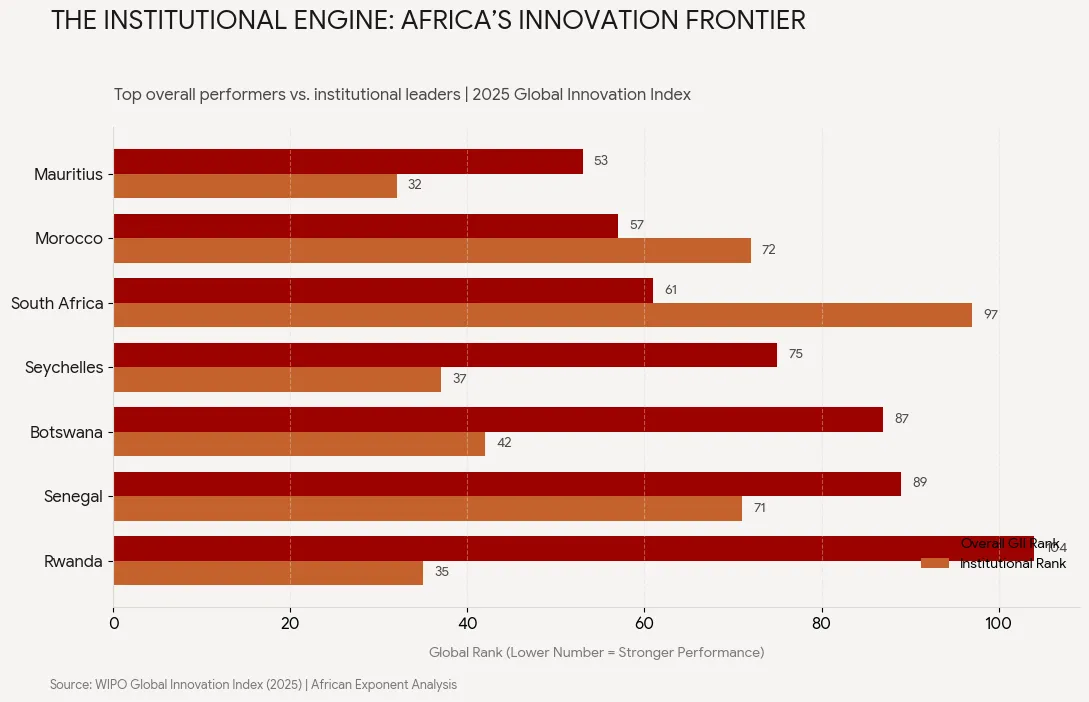
1. Mauritius
Mauritius tops the list for government-backed tech acceleration in 2025, driven by programs like the Mauritius Tech Startup Initiative, which provides funding, mentorship, infrastructure, and regulatory support for innovators. The government’s ecosystem includes dedicated innovation hubs, AI research centers, and international collaboration programs, fostering scalable startups.
With a focus on fintech, ICT, and sustainable technology, Mauritius demonstrates how a small nation can create a high-impact, government-supported acceleration ecosystem. In Mauritius, the Mauritius Tech Startup Initiative provides funding, mentorship, innovation hubs, and regulatory support to scale startups in ICT, fintech, and sustainable technology.
We welcome your feedback. Kindly direct any comments or observations regarding this article to our Editor-in-Chief at [email protected], with a copy to [email protected].