Table of Contents
In Summary
- Angola leads Africa with a local purchasing power score of 200.8, far surpassing the rest.
- South Africa ranks second at 109.2, showing strong consumer capacity despite regional challenges.
- Most North and East African countries remain below 50, highlighting disparities in income and spending power.
Deep Dive!!
Lagos, Nigeria, Monday, January 19, 2026 - Local purchasing power is a measure of how much a person can buy with their income in a specific country. It accounts for both wages and the cost of goods and services, showing the real impact of income on everyday life.
Higher purchasing power allows residents to afford better quality goods, access essential services, and maintain a more comfortable standard of living. In comparison, lower purchasing power can restrict access to necessities and limit lifestyle choices.
For individuals, local purchasing power affects everyday decisions from housing, groceries, and transportation to healthcare, education, and leisure. It also shapes broader economic outcomes, influencing savings, investment capacity, and overall financial security. Policymakers and economists use this metric to understand how income translates into real-world consumption, providing a lens to compare countries and track economic development across Africa.
Numbeo’s Local Purchasing Power Index compares the average net salary earned in a country to the cost of a standard basket of goods and services, benchmarking all results against New York City, which has a base score of 100. The index is built from thousands of crowd-sourced price submissions, manually verified entries, and official cost data, filtered to remove outliers for accuracy. A score above 100 means residents can buy more with their income than the New York baseline, while a score below 100 means their earnings stretch less. This approach allows countries to be compared on real spending ability, showing how income translates into everyday living conditions rather than just headline salary figures.
This article will analyze Africa’s 2026 Local Purchasing Power Index ranking according to Numbeo data, exploring how countries achieved their scores, the factors driving these differences, and what it means for residents. By examining economic policies, income trends, and cost-of-living dynamics, we provide insight into which populations are most financially empowered and which face constraints. The goal is to show the real-life implications for people across the continent.
10. Tunisia
Tunisia’s local purchasing power remains limited, with a 2026 score of 35.8, reflecting significant pressure on household budgets across the country. For an average Tunisian, this score translates to tighter control over daily spending. This means rising prices for staples like bread, milk, and cooking oil consume a larger share of income, while the cost of electricity and transportation has also increased. Families often need to prioritize essentials over discretionary spending, which affects access to education, healthcare, and leisure activities. Even simple choices, like eating out or purchasing clothing, are now heavily influenced by the practical limits of local income.
Several recent government policies have directly influenced this purchasing power. In late 2025, Tunisia began implementing partial subsidy reforms on fuel, electricity, and basic food items to address mounting fiscal deficits. While these reforms are necessary for long-term economic stability, they increased out-of-pocket expenses for citizens in the short term. Additionally, the government adjusted public sector wages minimally, which lagged behind the inflation rate, meaning most workers saw little improvement in real income. Coupled with higher import costs due to currency fluctuations, these factors collectively contributed to the country’s modest score of 35.8.
Economic structure and regional differences amplify these challenges. Urban centers such as Tunis and Sfax enjoy relatively higher purchasing power, supported by stronger industrial and service sectors. Residents in these areas have better access to formal employment, higher wages, and modern retail options. In contrast, rural and southern regions, dependent on agriculture or informal markets, experience lower income levels and limited access to affordable goods and services. For many families in these regions, local purchasing power is constrained not just by national policy but also by local economic conditions, infrastructure gaps, and limited social support programs.
Looking forward, Tunisia has several potential levers to improve its local purchasing power. The government’s ongoing focus on digital services, investment in small and medium enterprises, and gradual control of inflation could relieve some pressure on households. Programs aimed at boosting productivity in agriculture and reducing dependency on imported staples may also enhance purchasing power over time. For Tunisians, understanding this 2026 score is crucial because it shows how past economic decisions affect daily life, highlights the areas where people feel financial pressure most acutely, and points to opportunities for gradual improvement in living standards in the coming years.
9. Kenya
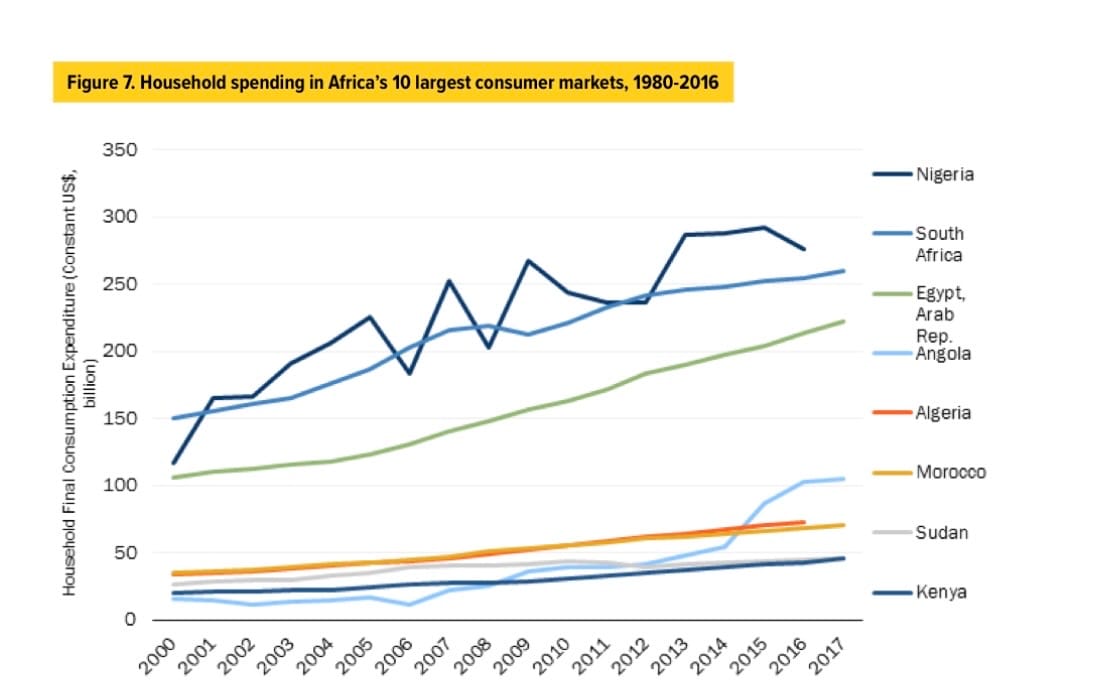
Kenya’s local purchasing power in 2026 sits at 35.9, just slightly above Tunisia, highlighting the persistent constraints on how far residents’ incomes stretch. For the average Kenyan, this score reflects everyday financial realities like how rising food and fuel costs, increased utility bills, and higher transportation expenses consume a large portion of household earnings. Families often face difficult trade-offs, such as choosing between healthcare, school fees, and essential groceries, while discretionary spending on items like clothing, electronics, or leisure remains limited. This score shows that, while incomes have grown nominally, inflation and cost-of-living pressures continue to weigh heavily on ordinary citizens.
Several recent policy moves have shaped this outcome. In late 2025, the Kenyan government introduced a partial reduction in fuel subsidies to curb the national deficit, resulting in higher petrol and diesel prices for consumers. At the same time, adjustments to income tax bands and minimal public sector wage increases meant that real disposable income did not significantly improve. Currency depreciation against the US dollar also contributed to rising import costs, making everyday goods more expensive. Combined, these factors kept the local purchasing power constrained despite modest economic growth in other sectors.
Regional disparities are significant in Kenya. Residents of Nairobi, Mombasa, and Kisumu often experience slightly higher purchasing power, thanks to greater access to formal employment, technology-driven services, and modern retail infrastructure. In contrast, rural counties, especially in northern and western regions, rely heavily on agriculture, where incomes are seasonal and susceptible to weather shocks. These communities often experience tighter local purchasing power, relying on informal markets and local cooperatives to stretch household budgets. For many Kenyans outside major cities, this score underscores the day-to-day challenge of turning wages into meaningful financial security.
Looking forward, Kenya has several avenues to strengthen local purchasing power. Government initiatives to improve digital financial inclusion, invest in agriculture, and stabilize inflation could gradually increase residents’ real income. Infrastructure projects, such as expanded road networks and energy access, may also lower costs for households over time. Understanding the 2026 score helps Kenyans see the connection between policy, economic shifts, and their own wallets illustrating how structural reforms and regional development will be key to increasing purchasing power in the coming years.
8. Algeria
Algeria’s local purchasing power in 2026 is measured at 36.3, slightly above Kenya and Tunisia, but still reflecting limitations for many residents. For Algerians, this score translates into careful budgeting for daily necessities. Rising costs of food, energy, and transportation absorb a large portion of household income, leaving limited room for discretionary spending on items like electronics, dining out, or leisure. Families often adjust by relying on local markets, seeking cheaper alternatives, or postponing non-essential purchases, highlighting the practical impact of income on daily life.
Government policies over the past year have significantly influenced this score. In late 2025, Algeria reduced fuel and electricity subsidies to manage fiscal deficits and encourage energy efficiency. While these reforms aim for long-term sustainability, they immediately increased household expenses. Public sector wages have remained relatively stagnant compared to inflation, and the country experienced currency fluctuations against major trading partners, which drove up import costs. These combined factors have kept purchasing power constrained for much of the population, even as nominal wages have slowly risen.
Regional economic conditions further shape local purchasing power. Urban centers such as Algiers, Oran, and Constantine benefit from more diverse employment opportunities, access to services, and modern retail infrastructure, allowing residents to maintain slightly higher purchasing power. In contrast, rural southern regions, dependent on agriculture and limited formal employment, face more pronounced financial challenges. In these areas, the 36.3 score reflects not just national economic policy but also the uneven distribution of opportunities and resources, forcing many households to find creative ways to stretch their income.
Looking ahead, Algeria could see improvements in local purchasing power if economic reforms and infrastructure investments succeed. Policies targeting diversification from oil dependency, enhancing industrial growth, and stabilizing inflation could increase real income for households. Understanding this 2026 score helps Algerians see how policy decisions, regional disparities, and global economic conditions affect their daily finances and signals the importance of strategic planning for household budgets in the coming years.
7. Morocco
Morocco’s local purchasing power in 2026 stands at 45.6, marking a noticeable improvement compared with the lower-ranked countries, yet still reflecting constraints for many households. For the average Moroccan, this score means that while incomes are higher relative to costs than in Tunisia, Kenya, or Algeria, everyday expenses such as food, rent, transportation, and utilities still take up a significant portion of wages. Residents often make strategic decisions, balancing the need for essentials with discretionary spending on education, healthcare, or leisure, demonstrating how local purchasing power directly shapes daily life.
Recent government policies have contributed to this score. In late 2025, Morocco implemented targeted subsidy adjustments on energy and basic goods while simultaneously increasing minimum wage levels in the public sector. These steps were aimed at maintaining fiscal stability while providing a modest boost to household incomes. The government also continued investment in tourism infrastructure, manufacturing zones, and digital services, creating new jobs and income opportunities that positively influence purchasing power. Such policy measures have allowed Moroccans to stretch their earnings further, particularly in urban centers where employment opportunities are more diverse.
Regional differences remain significant. Residents of Casablanca, Rabat, and Marrakech generally experience higher purchasing power due to stronger access to formal employment, higher wages, and better infrastructure. In contrast, rural areas and smaller towns, particularly in the Atlas Mountains and southern regions, see more limited economic activity and lower disposable income. These disparities show that even within a country with a mid-range local purchasing power index, residents’ experiences can vary widely based on geography, industry access, and urbanization.
Looking forward, Morocco’s local purchasing power could continue to improve if ongoing economic reforms and investment projects succeed. Policies focused on expanding industrial growth, stabilizing inflation, and enhancing social safety nets can increase real income for households. For Moroccans, understanding this 2026 score highlights how government actions, regional development, and employment trends affect their daily finances, from the cost of groceries to the ability to invest in education or healthcare, offering a clear picture of the country’s economic trajectory.
6. Libya
Libya’s local purchasing power in 2026 is recorded at 51.1, placing it in the mid-range among African countries. For Libyans, this score indicates a relatively higher capacity to afford goods and services compared with much of North and East Africa. Daily life in Libya benefits from this level of purchasing power, allowing households to spend more comfortably on necessities like food, healthcare, and utilities, while also having some discretionary income for education, technology, or leisure. Yet, financial stability is still uneven, influenced by regional differences and lingering economic uncertainties.
Several key developments in late 2025 contributed to this score. Libya’s economy, heavily reliant on oil revenues, experienced fluctuations in global oil prices that directly affected household incomes and public sector spending. The government made strides to stabilize salaries in the public sector while gradually reducing fuel subsidies to address fiscal deficits. Additionally, efforts to rebuild banking systems and enhance access to digital financial services allowed more citizens to participate in formal markets, boosting practical purchasing power. These measures, combined with modest inflation control, allowed Libyan residents to maintain a stronger financial footing compared with neighboring nations with lower scores.
Regional disparities within Libya are significant. Residents in Tripoli and Benghazi enjoy better local purchasing power due to access to formal employment, government services, and retail infrastructure. Conversely, those living in southern or rural areas face higher challenges, including limited job opportunities, weaker infrastructure, and disruptions in supply chains, which reduce their effective income. For these communities, a 51.1 score may not fully translate into comfort, as local access and regional instability can limit what salaries can achieve in practice.
Looking ahead, Libya’s local purchasing power could strengthen if the country continues to stabilize its political and economic systems. Policies aimed at diversifying the economy beyond oil, improving infrastructure, and enhancing financial inclusion will be critical in translating nominal income into real purchasing power for all residents. Understanding this 2026 score gives Libyans a clear view of how macroeconomic decisions, regional development, and policy reforms directly affect daily life, from household budgets to the ability to plan for the future.

5. Mauritius
Mauritius’s local purchasing power in 2026 stands at 55.1, marking the highest among the mid-tier African economies and reflecting a comparatively stronger ability for residents to afford goods and services. For Mauritians, this score translates into a more comfortable daily life: salaries generally cover basic needs such as food, housing, and healthcare, while allowing for discretionary spending on education, travel, and lifestyle choices. The combination of stable wages, a diverse economy, and controlled inflation contributes to a purchasing power that supports both household security and consumer confidence.
Several policies and economic developments in late 2025 helped shape this score. The Mauritian government continued to promote its economic diversification strategy, investing heavily in financial services, tourism, and information technology. Subsidies for essential goods and utilities were carefully managed to avoid sudden price shocks, and incremental increases in minimum wages helped support household income. Additionally, efforts to strengthen social safety nets, including health coverage and educational programs, further enhanced practical purchasing power for many residents. These measures allowed Mauritius to maintain a higher score than many African peers, demonstrating the impact of targeted economic planning.
Regional and sectoral dynamics also play a role in determining local purchasing power. Residents of urban centers like Port Louis benefit most, thanks to access to higher-paying jobs in finance, tourism, and administration. In contrast, rural communities, particularly those engaged in agriculture or small-scale fishing, experience lower earnings, which slightly tempers the overall purchasing power score. Nonetheless, the island’s small size and robust infrastructure allow even rural populations to access markets and services more easily than in larger continental countries.
Looking forward, Mauritius is positioned to maintain or even improve its purchasing power if current economic strategies succeed. Continued investment in technology, export-oriented industries, and sustainable tourism can create higher-paying jobs and reduce vulnerability to external shocks. For Mauritians, the 55.1 score reflects not only stronger financial capacity but also the importance of government policy, economic diversification, and inflation management in shaping real-life buying power. It serves as a benchmark for residents and policymakers alike to understand where the country stands in 2026 and where it could go in the coming years.
4. Namibia
Namibia’s local purchasing power in 2026 is recorded at 73.4, reflecting a notably higher capacity for residents to meet daily needs compared with most African countries below it. For Namibians, this score means that incomes can cover essentials such as food, housing, healthcare, and transportation while leaving room for discretionary spending on education, technology, and recreation. Residents often experience a more stable standard of living, although disparities remain between urban and rural regions, shaping daily financial realities in meaningful ways.
Several developments in late 2025 contributed to this strong purchasing power. The Namibian government implemented policies aimed at economic stabilization and household support, including moderate adjustments to utility tariffs and continued social grants for vulnerable populations. Additionally, public sector wages were incrementally increased to keep pace with inflation, ensuring that ordinary citizens maintained real income growth. The country’s mining and fisheries sectors also saw productivity improvements, generating employment opportunities and higher wages in key industries, directly boosting household purchasing power.
Regional variations continue to influence practical income usage. Urban centers such as Windhoek and Swakopmund enjoy the highest local purchasing power due to concentrated employment opportunities, modern retail infrastructure, and greater access to services. In contrast, rural communities, particularly in the north and northeast, face challenges including limited job options, lower wages, and higher costs for basic goods due to transportation and supply chain constraints. These disparities show that while the national score of 73.4 indicates strong overall purchasing power, individual experiences vary significantly based on location and industry.
Looking ahead, Namibia’s local purchasing power could further improve if the government continues policies promoting wage growth, inflation control, and economic diversification. Investment in infrastructure, particularly in rural areas, can reduce costs for households and enhance access to markets. Understanding this 2026 score helps Namibians appreciate the tangible effects of policy, economic planning, and sectoral growth on daily life.
3. Botswana
Botswana’s local purchasing power in 2026 sits at 78.8, one of the highest in Southern Africa, reflecting a strong ability for residents to meet both essential and discretionary expenses. For the average Motswana, this means that salaries and household income can cover food, utilities, healthcare, transport, and education, while still allowing for spending on technology, leisure, and personal savings. Unlike many countries in the region, where inflation heavily erodes real income, Botswana’s moderate inflation rate in late 2025 allowed residents to retain more value from their earnings, providing tangible improvements in living standards.
Key policy decisions have played a critical role in shaping this purchasing power. In late 2025, the Botswana government implemented incremental increases in public sector wages to adjust for cost-of-living pressures, while simultaneously maintaining subsidies for essential goods such as fuel and electricity. These moves stabilized household expenses and prevented sudden shocks to disposable income. Additionally, policies promoting investment in mining, tourism, and financial services created higher-paying job opportunities, particularly in urban centers. The government also encouraged entrepreneurship through microfinance programs and SME support, allowing individuals outside the formal sector to increase income and improve purchasing power at a local level.
Regional and sectoral dynamics continue to influence how purchasing power is experienced across the country. Urban residents in Gaborone, Francistown, and Maun enjoy higher real incomes and access to modern retail infrastructure, allowing for more convenient and cost-effective consumption. In contrast, rural communities, particularly in western and northern districts, face higher prices for goods due to transportation costs and lower average wages in agriculture and informal sectors. For these residents, the national score of 78.8 may not fully reflect the constraints they experience daily, highlighting the importance of local economic access alongside national policy outcomes.
Looking forward, Botswana’s local purchasing power is expected to remain strong if the government continues to diversify the economy, manage inflation, and expand infrastructure. Initiatives to improve access to digital financial services, expand industrial parks, and promote skills development will increase household earning potential and narrow regional disparities. For residents, understanding the 78.8 score provides insight into how policy, economic growth, and sectoral expansion directly affect their daily lives. This highlights that purchasing power is not just a number, but a reflection of tangible improvements in quality of life across the country.
2. South Africa
South Africa’s local purchasing power in 2026 is 109.2, positioning it as the second-highest in Africa and reflecting a relatively strong capacity for residents to afford both essentials and discretionary items. For the average South African, this score translates into a higher standard of living compared with most other African nations. Households can generally cover food, housing, healthcare, utilities, and transportation, while still allocating funds for education, technology, and leisure. In practical terms, a local purchasing power score above 100 means that average incomes exceed the cost of living, giving many residents real flexibility in managing their finances and lifestyle choices.
Several policy and economic developments over the late 2025 have shaped this score. The South African government maintained moderate wage increases in the public sector and targeted subsidies for essential goods such as fuel and electricity to ease household pressures. Inflation, which had been volatile in previous years, remained contained at around 5–6%, allowing wages to retain more real value. On the economic front, growth in finance, mining, technology, and services created higher-paying jobs, while government incentives for entrepreneurship and small business development enabled additional income streams for citizens outside the formal employment sector. Currency stability against the US dollar also played a role in moderating the cost of imported goods, further supporting residents’ purchasing power.
Regional and socio-economic disparities continue to shape how this score is experienced across South Africa. Residents in urban centers like Johannesburg, Cape Town, and Pretoria benefit from access to formal employment, modern infrastructure, and competitive retail markets, which amplify the effects of a high local purchasing power. Meanwhile, rural areas in provinces such as the Eastern Cape, Limpopo, and KwaZulu-Natal face higher logistical costs for goods, lower wages, and limited access to services. For these communities, the 109.2 score may not fully translate into lifestyle improvements, demonstrating that while national purchasing power is strong, its benefits are unevenly distributed.
Looking ahead, South Africa’s purchasing power could be further enhanced if structural reforms, infrastructure development, and targeted social programs succeed in narrowing regional disparities and supporting wage growth. Investments in technology, energy efficiency, and digital financial services can improve real income and reduce household expenditure on essentials. For South Africans, the 109.2 score is not just a statistic it reflects the impact of economic policy, sectoral growth, and market access on everyday life, from budgeting for groceries and transportation to long-term planning for education, healthcare, and wealth accumulation. Understanding this score helps residents see how macroeconomic decisions translate into practical improvements in financial security and quality of life.
1. Angola
Angola tops the 2026 Local Purchasing Power Index with an impressive score of 200.8, more than double that of the second-ranked South Africa. For the average Angolan, this score indicates extraordinary financial flexibility, allowing residents to comfortably cover essentials such as food, housing, utilities, and healthcare while maintaining significant discretionary income for education, travel, technology, and leisure. In practical terms, many households experience a standard of living far above the continental average, where wages effectively exceed the cost of living to a remarkable degree, enabling long-term savings, investments, and improved quality of life.
Several policy decisions and economic developments in late 2025 have contributed to this exceptional purchasing power. Angola’s economy, heavily driven by oil revenues, benefited from sustained high global oil prices, which strengthened national income and government budgets. The government invested heavily in public sector wages, infrastructure projects, and social programs, ensuring that a larger proportion of the population experienced tangible income gains. Additionally, fiscal measures targeted inflation control and stabilized the local currency, which helped residents retain more value from their earnings. Strategic investments in sectors such as construction, telecommunications, and financial services also created diverse employment opportunities, further boosting real purchasing power for urban and peri-urban households.
Regional dynamics within Angola are notable, although even rural populations see higher purchasing power relative to most other African countries. Urban areas such as Luanda, Lobito, and Huambo benefit most, with access to higher-paying jobs, modern infrastructure, and a wide range of goods and services. Meanwhile, rural regions, while less industrialized, still experience purchasing power far above the continental average due to increased government transfers, improved access to markets, and development projects aimed at reducing regional inequalities. This combination of policy-driven wage growth and strategic infrastructure investment has allowed Angola to translate national income into practical financial empowerment for a large share of its population.
Looking ahead, Angola’s local purchasing power may continue to benefit from sustained oil revenues and economic diversification initiatives. Investments in renewable energy, technology, and transport infrastructure could broaden employment opportunities and maintain real income growth. For Angolans, the 200.8 score is not just a figure, it represents daily realities which are the ability to meet household needs without extreme financial stress, invest in children’s education, access quality healthcare, and plan for long-term security. It illustrates the powerful effect of national economic policy, sectoral growth, and fiscal management on individual lives, setting a benchmark for financial empowerment across Africa in 2026.
The 2026 Local Purchasing Power Index reveals stark contrasts in how far African incomes stretch. From Angola’s exceptional consumer strength to Tunisia and Kenya’s budget constraints, living standards depend heavily on inflation control, wage policy, and economic structure. For households, purchasing power determines whether income covers only essentials or supports long-term stability. For governments, the challenge is sustaining real income growth through diversification and reforms that ensure everyday earnings translate into meaningful financial security across both urban and rural communities.