
Table of Contents
In Summary
- Economic freedom in Africa is rising overall, but gains come mainly from improvements in fiscal transparency and regulatory efficiency.
- Countries with mid-level scores often outperform higher-GDP peers because policy consistency matters more than economic size in Heritage Foundation assessments.
- Investment freedom remains the continent’s weakest pillar, even top performers face structural hurdles tied to land markets, competition regimes, and political interference.
Deep Dive!!
Lagos, Nigeria, Saturday, December 6 – The Heritage Foundation’s Index of Economic Freedom evaluates how national policies enable or restrict private enterprise, using a framework built on four core pillars which are the rule of law, government size, regulatory efficiency, and market openness.
Each pillar is measured across twelve indicators including property-rights protection, fiscal health, labour freedom, monetary stability, trade policy, investment freedom, and financial-sector integrity.
The index assesses how transparent, predictable, and rules-based a country’s economic environment is. As a result, a wealthy state can score poorly if its regulatory institutions are inconsistent, while a lower-income country can rise in the rankings if it strengthens governance systems and ensures a level playing field for businesses.
Across Africa, these indicators reveal an uneven landscape where institutional performance matters as much as macroeconomic outcomes. Several countries show progress in narrowing fiscal deficits, reforming business-registration processes, or improving access to finance, yet structural constraints such as political uncertainty, weak contract enforcement, currency instability, and state dominance in key sectors continue to limit upward mobility.
The top performers in this ranking are not necessarily the largest economies, but those that have maintained policy clarity, expanded competitive space for private actors, and institutionalised gradual reforms even during periods of political change. Their scores reflect cumulative improvements rather than one-off policy announcements.
This article ranks the top ten African countries on the 2024 Index of Economic Freedom, presenting a grounded analysis of what drives their performance, the governance choices behind their scores, and the institutional dynamics shaping their trajectories. Rather than repeating the numerical results, the ranking explores the political economy underneath the data, how each state’s regulatory design, fiscal discipline, and market governance either advance or constrain economic freedom.
The goal is to provide an insider-level understanding of why these countries perform as they do, what their current scores signal about long-term stability, and how these dynamics influence the continent’s broader economic outlook.
10. Madagascar
Madagascar’s position on the Index of Economic Freedom reflects a country whose economic governance has been shaped by long cycles of political instability, yet still shows measurable institutional progress in specific areas. The 57.0 score captures a system where reforms are present but uneven, and where implementation capacity not policy ambition is often the defining constraint. Over the past decade, Madagascar has attempted to modernize sectors like customs administration, fiscal reporting, and investment regulation, and while the results are gradual, they demonstrate a consistent push toward transparency that many observers overlook. The country’s regulatory frameworks have become more predictable, especially in relation to business entry, land titling for commercial use, and sectoral licensing.
A closer look at Madagascar’s fiscal governance reveals a state trying to balance chronic revenue shortages with rising social and infrastructural obligations. Tax-to-GDP ratios remain among the lowest in the region, limiting the government’s ability to finance reforms at scale, but the public financial-management system is significantly more transparent than it was a decade ago. Improvements in budget classification, external auditing, and procurement monitoring have helped stabilise fiscal credibility, even though structural gaps persist. These reforms matter for economic freedom because they reduce the uncertainty that often discourages domestic and foreign investors. Investors are more willing to take long-term positions when public accounts are readable and government actions are predictable, and Madagascar has been moving slowly but clearly in that direction.
Where Madagascar shows the most definable strength is in its commitment to trade openness and competition within key export-driven sectors. The country’s economy leans heavily on agriculture, textiles, vanilla, and mining, and the government has generally avoided heavy-handed intervention in these spaces. Instead, regulatory agencies have attempted to professionalise oversight and create clearer rules of engagement for private operators. Madagascar’s ports are not among the continent’s most efficient, but consistent customs reforms and digital processes have reduced clearance times for exporters, helping preserve its competitiveness in global value chains. This openness, paired with a relatively liberalized foreign-exchange regime, sustains its position on the index even when domestic politics fluctuate.
Still, the country’s overall score reflects the persistent challenges that keep Madagascar from rising higher. Rule-of-law indicators particularly contract enforcement and judicial independence remain fragile, creating pockets of vulnerability for businesses that rely on predictable dispute resolution. Infrastructure deficits, from unreliable energy supply to limited road networks, continue to increase operational costs and constrain productivity. Yet, despite these constraints, Madagascar’s inclusion in the top ten demonstrates that incremental reforms, policy consistency, and a commitment to market openness can meaningfully improve economic-freedom outcomes even in fragile political contexts. In this ranking, Madagascar earns its place not because it has overcome all its structural hurdles, but because it has maintained reform momentum and strengthened the institutional foundations that support private enterprise.
9. South Africa
South Africa’s 57.3 score reflects a country with sophisticated institutions but constrained by structural governance issues that limit the full expression of its economic potential. Its ranking is shaped by the tension between strong legal frameworks on paper and the unevenness of implementation across sectors. South Africa maintains some of the continent’s most advanced regulatory bodies ranging from competition oversight to financial-sector supervision but persistent bureaucratic delays, policy uncertainty, and the legacy effects of state capture continue to undermine investor confidence. The result is a system that is technically well-designed yet burdened by fragmentation, where regulatory clarity does not always translate into operational efficiency.
Fiscal governance remains one of South Africa’s defining pressure points. While the country has a long-standing culture of public financial reporting and parliamentary oversight, rising debt levels, strained revenue performance, and the financial distress of state-owned enterprises have narrowed policy space. Efforts to restore fiscal stability such as expenditure controls, enhanced procurement scrutiny, and attempts to reform state-owned utilities signal a commitment to restoring credibility, but the pace of reform is slowed by political contestation within the governing coalition. Despite these constraints, South Africa retains a high degree of monetary independence, with the South African Reserve Bank continuing to anchor price stability and safeguard financial integrity. This institutional resilience supports its economic-freedom score even when other indicators weaken.
Trade and investment freedom remain relatively strong pillars in South Africa’s profile, underpinned by a diversified export base, deep capital markets, and long-established commercial linkages. The country’s legal protections for investors, coupled with its globally integrated banking system, allow it to maintain a level of competitiveness unmatched by many peers. Yet the investment climate is weighed down by infrastructure deterioration especially in energy and freight logistics which raises transaction costs and disrupts value chains. Businesses face recurring operational risks tied to load shedding, port inefficiencies, and transport bottlenecks, factors that collectively slow productivity and complicate expansion decisions. These systemic challenges reduce the country’s economic agility despite its underlying institutional strengths.
South Africa’s appearance in this top-ten ranking highlights the enduring influence of robust legal architecture, financial maturity, and regulatory sophistication even in the face of political and administrative strain. Its economic freedom is neither collapsing nor rapidly advancing but instead reflects a recalibration period shaped by governance rebuilding and infrastructure modernisation efforts. The country’s score signals both the resilience of its core institutions and the urgent need for policy coherence, energy-sector reform, and state-capacity recovery. South Africa stands as an example of how institutional depth can sustain economic stability but cannot on its own resolve structural constraints without sustained political will.
8. Côte d’Ivoire
Côte d’Ivoire’s 57.8 score reflects a nation that has emerged from decades of political instability to become one of West Africa’s most resilient reformers. The country’s economic-freedom trajectory is closely tied to deliberate institutional rebuilding following the post-election crises of the early 2010s. Today, policy continuity and administrative reform are central to its moderate improvement, with strengthened fiscal frameworks, more transparent procurement processes, and gradual improvements in regulatory predictability. These changes signal a government increasingly focused on creating a business-friendly environment that can attract both domestic entrepreneurs and foreign investors.
The fiscal landscape in Côte d’Ivoire demonstrates a combination of stability and caution. Public finances have been stabilized through consistent revenue collection, disciplined budget execution, and the development of financial oversight institutions. This allows the state to fund critical infrastructure and social programs without destabilizing monetary policy. Yet challenges remain: debt levels have risen moderately, and institutional capacity in some local administrations lags behind national reforms, creating pockets of inefficiency. Nevertheless, compared with regional peers, the country’s fiscal framework is robust, supporting gradual improvements in investor confidence and overall economic freedom.
Regulatory efficiency has been a focal point of Côte d’Ivoire’s reform strategy. Streamlined business registration, digitalization of key permits, and efforts to reduce bureaucratic bottlenecks have lowered the barriers to entry for small and medium enterprises. The government has also taken steps to liberalize key sectors such as telecommunications and transport, fostering competition and innovation. These moves are reinforced by the country’s strategic positioning in regional trade agreements, which enhances market access and encourages investment. While regulatory enforcement remains uneven in some areas, particularly in rural regions, urban centers now benefit from more predictable administrative practices.
The country’s placement in this ranking reflects the importance of sustained governance reform over short-term economic gains. Côte d’Ivoire’s score illustrates that institutional credibility, fiscal prudence, and regulatory modernization can compensate for lingering challenges in infrastructure and local governance. By focusing on systemic improvements rather than episodic policy announcements, the nation has cultivated a foundation for continued economic freedom, signaling to investors and regional partners that it is committed to a predictable, rules-based business environment. Its trajectory demonstrates the potential for nations recovering from political turbulence to climb the Index when reform consistency is prioritized.
7. Benin
Benin’s 58.5 score positions it as one of West Africa’s more institutionally resilient economies, distinguished by sustained policy reforms and a pragmatic approach to governance. The country’s economic-freedom performance is anchored in its commitment to maintaining macroeconomic stability and predictable regulatory frameworks, even within a limited resource base. Over the past decade, Benin has pursued reforms aimed at simplifying business registration, improving property rights enforcement, and enhancing fiscal transparency, establishing a level of predictability that has encouraged both domestic entrepreneurship and cross-border investment.
Fiscal management is central to Benin’s economic-freedom profile. The government has consistently pursued disciplined budgetary practices, maintaining manageable debt levels while expanding revenue collection through better tax administration. Public financial oversight has improved with clearer reporting mechanisms and the strengthening of audit institutions, which enhances confidence in state accountability. However, the country still faces challenges related to limited administrative capacity at local levels and dependence on external financing for large-scale infrastructure, factors that temper its overall institutional effectiveness.
Benin’s regulatory environment has also benefited from measured liberalization. The government has undertaken digitalization initiatives to reduce bureaucratic delays, streamlined licensing procedures for SMEs, and encouraged private-sector participation in strategic sectors such as port management and energy. These reforms, coupled with its membership in the West African Economic and Monetary Union, enhance trade and investment openness, allowing Benin to position itself as a stable business destination relative to regional peers. Political stability, bolstered by peaceful transitions of power and an active civil society, reinforces the credibility of these reforms.
Despite its progress, Benin’s placement in the ranking reflects ongoing structural limitations. Infrastructure gaps, including electricity and transportation bottlenecks, constrain private-sector efficiency and competitiveness. Judicial capacity remains limited, affecting contract enforcement and dispute resolution. Nonetheless, Benin demonstrates that even smaller economies can advance in economic freedom when policy consistency, regulatory modernization, and political stability are maintained. Its score underscores the value of incremental, institution-driven reforms in shaping a sustainable and predictable business environment.
6. Namibia
Namibia’s 58.7 score reflects a country that benefits from a historically stable political system and relatively strong institutions, even as structural economic constraints persist. The nation’s governance model, rooted in a democratic framework since independence in 1990, provides consistency in policymaking, with peaceful transitions of power and a well-functioning civil service. This political stability underpins much of Namibia’s economic-freedom performance, allowing reforms to be implemented gradually without the disruption seen in less institutionalized contexts. Yet, economic diversification remains a central challenge. Heavy dependence on extractive industries, particularly mining and fisheries, exposes the country to external shocks and limits the full realization of market dynamism.
Fiscal governance in Namibia is characterized by prudent debt management and a transparent budgeting process, which has helped the country maintain a solid credit reputation. Revenue collection is robust relative to regional peers, and institutions such as the Ministry of Finance and the Auditor-General’s Office are generally effective in ensuring accountability. Nevertheless, there are structural constraints that temper fiscal flexibility. Large portions of the national budget are directed toward social expenditure and subsidies, particularly in health and education, which limits the government’s ability to fund major infrastructure projects. While fiscal discipline is maintained, the balance between social obligations and investment in economic growth continues to be a delicate policy challenge.
Regulatory efficiency is a central pillar of Namibia’s score. The government has implemented measures to streamline business registration, improve land registration processes, and reduce bureaucratic red tape in sectors such as mining and agriculture. The financial sector is relatively sophisticated, with strong banking supervision and sound monetary management, which provides investors with confidence in the stability of the domestic market. Trade and investment openness are reinforced by Namibia’s membership in the Southern African Development Community (SADC) and its active participation in regional free-trade initiatives. Nevertheless, constraints remain in areas such as labor market flexibility and competition enforcement, where entrenched practices occasionally hinder rapid adaptation by businesses.
Namibia’s placement in this ranking reflects the interplay between strong institutional foundations and structural economic vulnerabilities. While its governance and regulatory systems allow for predictable economic interactions and attract long-term investment, the country’s dependence on natural resources, combined with persistent unemployment and inequality, limits upward mobility in economic freedom. Its moderate score illustrates the importance of maintaining policy consistency, institutional credibility, and macroeconomic stability, while also signaling the need for structural reforms that promote diversification and competitiveness. For investors and policymakers, Namibia represents a case where political stability and institutional reliability are strong assets, but economic agility remains constrained by long-term structural factors.
5. Tanzania
Tanzania’s 59.3 score reflects a nation navigating a complex intersection of political consolidation, regulatory reform, and economic diversification. Over the past decade, the country has pursued significant institutional strengthening, particularly in fiscal management, investment regulation, and public-sector governance, though these reforms coexist with persistent political centralization. The ruling party, Chama Cha Mapinduzi (CCM), has maintained a strong grip on national politics, ensuring policy continuity but occasionally limiting competitive dynamics within the private sector. For the Heritage Index, Tanzania’s score is a testament to gradual institutional improvements, rather than transformational shifts in the overall business environment.
Fiscal governance has been a key driver of Tanzania’s moderate rise in economic freedom. The government has implemented measures to improve revenue collection, strengthen budgetary oversight, and enhance transparency in public spending. Reforms in the Tanzania Revenue Authority, coupled with digitalized tax administration and strengthened auditing processes, have improved the predictability of public finances, which is critical for investor confidence. Yet fiscal space remains constrained by growing public debt and the costs of ambitious social and infrastructure projects, particularly in transport, energy, and urban development. Balancing developmental priorities with fiscal discipline continues to be a delicate task, influencing Tanzania’s economic-freedom trajectory.
Regulatory efficiency in Tanzania has improved through ongoing reforms aimed at reducing bureaucratic bottlenecks, streamlining business registration, and formalizing property rights. The government has also made concerted efforts to liberalize strategic sectors, including energy, telecommunications, and port operations, to encourage private participation. Tanzania’s investment climate benefits from strong legal protections for investors, particularly in export-oriented industries such as mining, agriculture, and tourism. However, enforcement remains uneven, with regional disparities in administrative capacity and occasional political interventions that disrupt market predictability. These mixed dynamics account for the country’s moderate, yet rising, position on the index.
Tanzania’s placement in this ranking demonstrates the critical role of institutional strengthening and policy continuity in enhancing economic freedom, even when political centralization limits broader competition. Its score underscores the impact of deliberate, incremental reforms in fiscal management, regulatory modernization, and investment facilitation. At the same time, it highlights the structural challenges that remain: reliance on primary commodities, uneven infrastructure development, and bureaucratic inefficiencies that continue to constrain private-sector growth. For observers and investors, Tanzania offers a model of measured progress where state-led governance reforms coexist with emerging market opportunities, signaling both potential and caution in its economic landscape.
4. Morocco
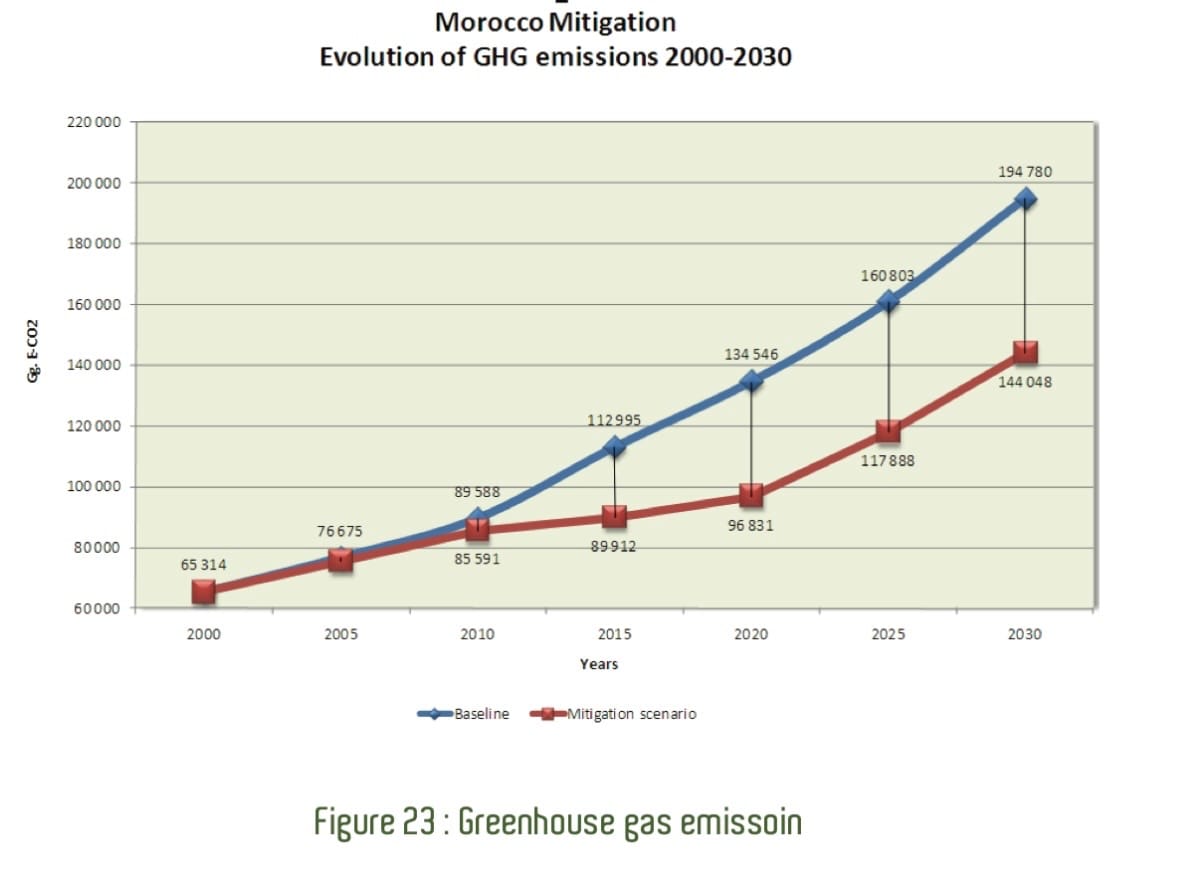
Morocco’s 60.3 score reflects a country that has steadily strengthened its economic institutions while leveraging strategic policy frameworks to attract investment and foster private-sector growth. The kingdom’s political system, a constitutional monarchy with a long-standing bureaucratic tradition, provides continuity and centralized oversight, which has facilitated policy implementation across sectors such as infrastructure, renewable energy, and industrial development. Morocco’s economic-freedom performance is shaped by a combination of regulatory modernization, fiscal discipline, and strategic openness to foreign capital, even as social inequality and unemployment remain persistent challenges.
Fiscal governance in Morocco demonstrates a balance between ambitious developmental spending and measured public financial management. The Ministry of Economy and Finance has implemented medium-term budget frameworks, strengthened public procurement rules, and improved debt monitoring systems, enabling greater predictability in resource allocation. Tax reforms, including gradual broadening of the VAT base and formalization of the informal sector, have enhanced revenue mobilization. Despite these improvements, government expenditure pressures particularly in subsidies, social programs, and infrastructure expansion pose ongoing challenges. Fiscal prudence remains critical to sustaining Morocco’s economic-freedom gains, particularly in the face of external shocks or commodity price fluctuations.
Regulatory efficiency and market openness are central pillars of Morocco’s economic-freedom profile. Reforms to simplify business registration, improve licensing procedures, and enhance contract enforcement have reduced barriers to entrepreneurship. Investment promotion agencies, such as the Moroccan Investment and Export Development Agency (AMDIE), provide strategic support to foreign investors, especially in automotive, aerospace, and renewable-energy sectors. Trade openness is reinforced through Morocco’s multiple free-trade agreements with Europe, the Middle East, and sub-Saharan Africa, giving firms access to key export markets. Yet challenges persist in terms of labor market flexibility and judicial efficiency, which occasionally slow dispute resolution and hinder small-business expansion.
Morocco’s placement in this ranking highlights the interplay between institutional stability, strategic economic policy, and targeted reforms. The country demonstrates that centralized governance, when paired with transparent regulatory frameworks and market incentives, can elevate economic-freedom performance even amid social and structural constraints. Its score reflects progress in creating an environment conducive to investment and private-sector growth, while also signaling the need for ongoing reforms to address labor-market rigidity, infrastructure bottlenecks, and inequality. For policymakers and investors, Morocco serves as a model of strategic institutional development in North Africa, balancing modernization with continuity and predictability.
3. Seychelles
Seychelles’ 66.4 score positions it as one of Africa’s most economically free nations, reflecting decades of deliberate policy reform and institutional strengthening. The country’s governance framework a stable multiparty democracy with a small, professionalized civil service facilitates policy consistency and effective implementation, key factors in its strong economic-freedom rating. Its economy, heavily reliant on tourism, fisheries, and offshore finance, has benefited from targeted liberalization measures, fiscal discipline, and regulatory clarity, allowing the country to maintain high levels of investor confidence despite its geographic and demographic constraints.
Fiscal governance is a cornerstone of Seychelles’ economic-freedom performance. The government has consistently demonstrated discipline in public finances, maintaining manageable debt levels while allocating resources to social services, infrastructure, and environmental sustainability. Transparency in budgeting and reporting has improved significantly, with external audits and parliamentary oversight ensuring credibility. Seychelles’ approach to fiscal policy balances the need for social welfare with the imperative of maintaining macroeconomic stability, which is critical in a small-island economy vulnerable to external shocks such as tourism downturns or climate-related disruptions.
Regulatory efficiency and market openness are particularly strong in Seychelles. The government has streamlined business registration, enhanced property-rights protections, and ensured relatively smooth processes for licensing and investment approval. Trade and investment policies are designed to attract foreign capital, with preferential frameworks for tourism, fisheries, and financial services. Offshore finance and maritime registration regimes have been carefully regulated to comply with international standards, strengthening the country’s global integration. Yet challenges remain in diversifying the economy beyond services and in addressing skill shortages that limit private-sector expansion.
Seychelles’ placement in this ranking underscores the importance of institutional stability, regulatory sophistication, and disciplined governance in enhancing economic freedom. Its score reflects a country that has successfully leveraged policy consistency and open-market reforms to overcome structural vulnerabilities inherent in small-island economies. For investors, Seychelles offers predictability, transparency, and a conducive regulatory environment, while its trajectory demonstrates that even geographically constrained nations can achieve high economic freedom through careful institutional design and strategic policymaking.

2. Cabo Verde
Cabo Verde’s 68.7 score reflects a country that has systematically strengthened its institutions and embraced economic liberalization, earning its position as one of Africa’s most economically free nations. The archipelago’s multiparty democratic system, characterized by political stability and regular peaceful transitions of power, provides a predictable policy environment that supports private-sector activity. Governance structures are relatively streamlined, with professionalized civil-service institutions ensuring continuity in regulatory oversight, fiscal management, and trade facilitation factors that underpin the country’s strong performance on the Heritage Index.
Fiscal governance in Cabo Verde demonstrates disciplined management and transparency, which are central to its economic-freedom score. The government maintains low-to-moderate debt levels and exercises rigorous budgetary oversight, ensuring that public expenditures are aligned with revenue collection. Reforms in tax administration, including digitalized reporting and broader compliance measures, have increased efficiency and predictability, while fiscal audits and parliamentary scrutiny enhance accountability. This combination of discipline and transparency has bolstered investor confidence, enabling the country to fund infrastructure, social services, and development initiatives without undermining macroeconomic stability.
Regulatory efficiency and market openness are key pillars of Cabo Verde’s high ranking. The government has simplified business registration, reduced bureaucratic bottlenecks, and strengthened property rights, facilitating entrepreneurship and investment. Trade policies are designed to enhance market access, supported by membership in regional trade arrangements such as the Economic Community of West African States (ECOWAS) and bilateral agreements with the European Union. Investment laws favor strategic sectors like tourism, renewable energy, and maritime services, creating clear incentives for foreign and domestic investors. Despite its small size and limited natural resources, Cabo Verde has leveraged these regulatory and policy reforms to maximize economic opportunities.
Cabo Verde’s placement in the top ranks of Africa’s economic-freedom index underscores the importance of political stability, institutional credibility, and strategic market liberalization. Its score reflects a deliberate policy trajectory that balances fiscal discipline, regulatory modernization, and openness to investment while mitigating structural constraints typical of small island economies. For policymakers and investors, Cabo Verde exemplifies how consistent governance, transparent institutions, and targeted economic reforms can transform limited-resource contexts into environments conducive to sustainable growth and long-term economic freedom.
1. Botswana
Botswana’s 69.9 score cements its position as Africa’s most economically free nation, reflecting decades of disciplined governance, strong institutions, and prudent economic management. The country’s multiparty democratic system, with a stable executive and a professional civil service, provides a predictable policy environment that supports investment and private-sector development. Governance in Botswana is characterized by transparency, accountability, and a consistent approach to policymaking, which has enabled it to avoid the political and economic volatility that has hindered many regional peers. Its institutional credibility forms the backbone of its economic-freedom performance.
Fiscal governance is a key strength underpinning Botswana’s top ranking. The government maintains disciplined budgetary practices, a historically low debt-to-GDP ratio, and strong revenue collection mechanisms, particularly from diamond exports, which are managed through robust sovereign frameworks. Transparency in public finances is reinforced by regular audits, parliamentary oversight, and strict procurement regulations, ensuring predictable allocation of resources. Fiscal discipline has allowed Botswana to fund infrastructure, social programs, and economic diversification efforts while maintaining macroeconomic stability, a rarity in the regional context.
Regulatory efficiency and market openness are pillars of Botswana’s economic-freedom success. The country has streamlined business registration, strengthened property rights, and simplified licensing procedures, fostering entrepreneurship and investment. Trade and investment frameworks are transparent and investor-friendly, with policies promoting competition and minimizing state interference in key sectors. Botswana’s financial sector is well-regulated, and the country benefits from a stable currency and effective monetary policy. These factors combine to create a business environment that is consistently ranked as one of the most predictable and reliable in Africa, particularly for foreign investors.
Botswana’s placement at the top of the Heritage Foundation’s Index of Economic Freedom illustrates the critical interplay of strong institutions, transparent governance, and policy consistency. Its score reflects a country that has leveraged these strengths to maintain stability, attract investment, and manage natural-resource wealth responsibly. Botswana exemplifies how disciplined governance, robust fiscal and regulatory systems, and long-term policy vision can elevate economic freedom, demonstrating a model for other African nations seeking to balance institutional credibility with sustainable growth.
Africa’s top ten in economic freedom reveal that strategic, consistent reforms and credible institutions drive lasting progress. Going forward, sustaining momentum will require deepening structural reforms and enhancing enforcement, positioning these nations to strengthen resilience and competitiveness across the continent.





)