
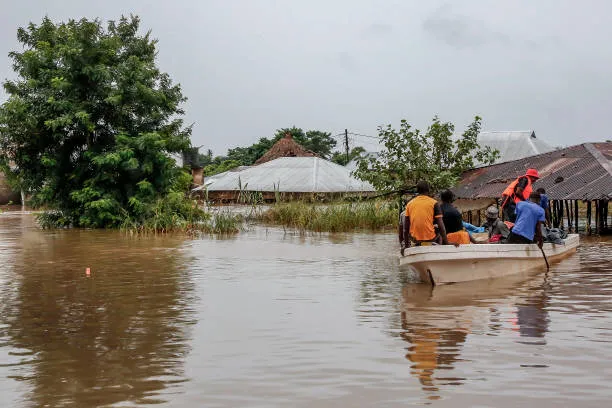
Cyclone Hidaya Strikes Tanzania, Causes Extensive Damage and Blackouts
The cyclone struck following weeks of already severe flooding in the region, which has resulted in over 150 fatalities.
The cyclone struck following weeks of already severe flooding in the region, which has resulted in over 150 fatalities.
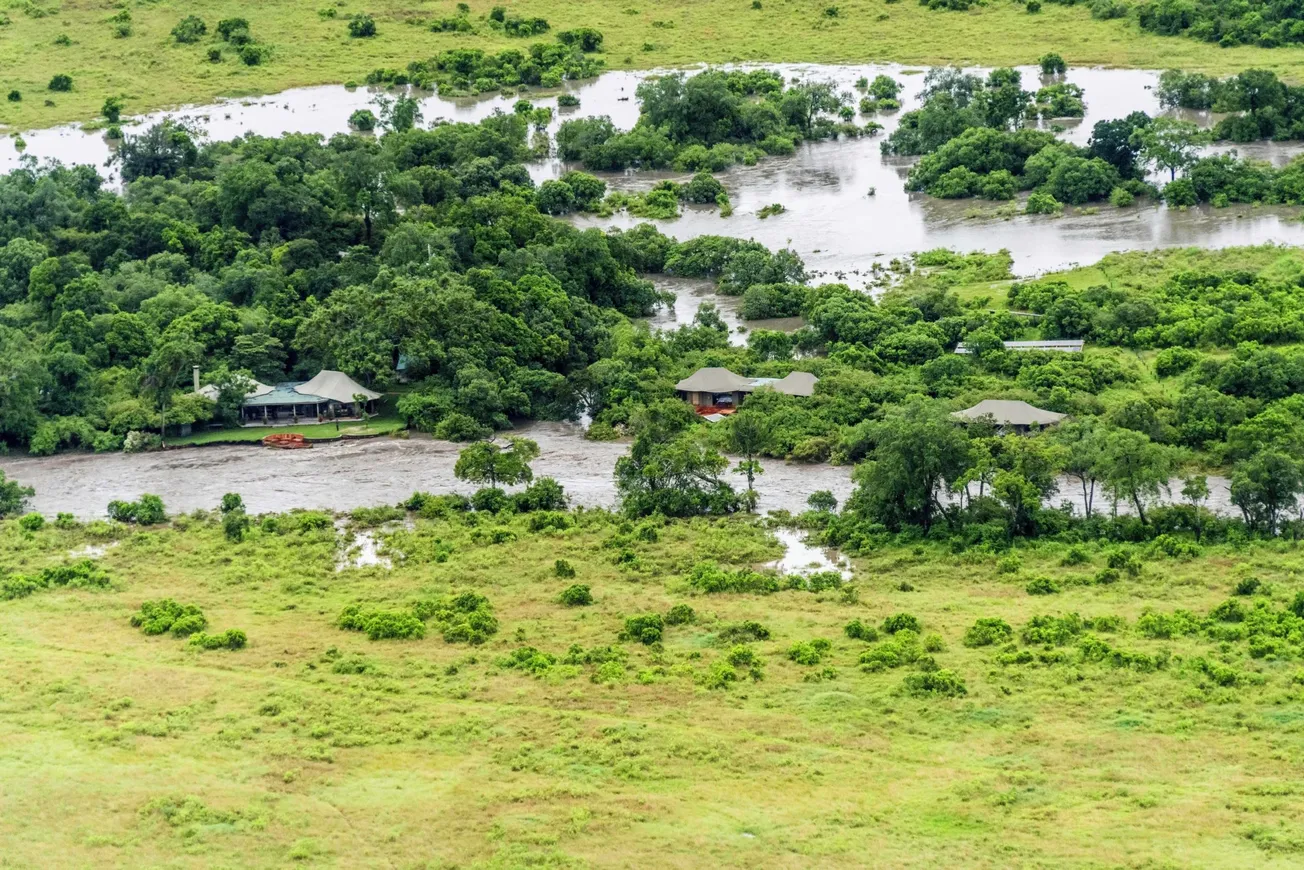
The Kenya Red Cross successfully rescued 36 people by air and an additional 25 by land, collaborating with Narok County government which deployed two helicopters for the operation.
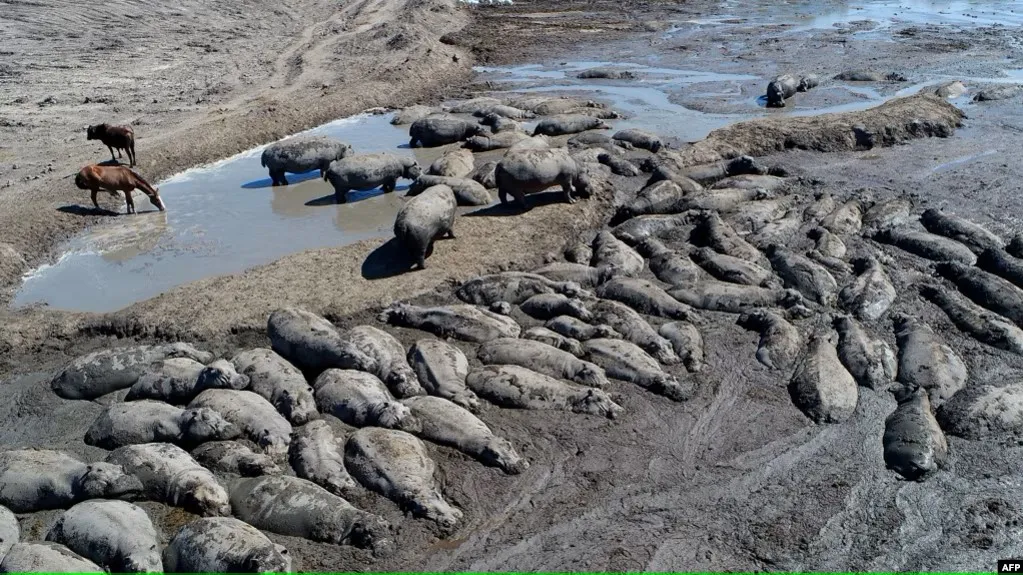
Moemedi Batshabang, director of the Department of Wildlife and National Parks, reported that around 500 hippos are currently trapped due to the lack of water caused by blistering heat.

The disaster cut off a major road and left a trail of debris, mud, and uprooted trees, severely impacting the local community and transportation.

In a distressing report presented to Tanzania’s parliament, Majaliwa detailed the broader impact of the disaster, noting that approximately 200,000 people and over 51,000 households have been adversely affected.
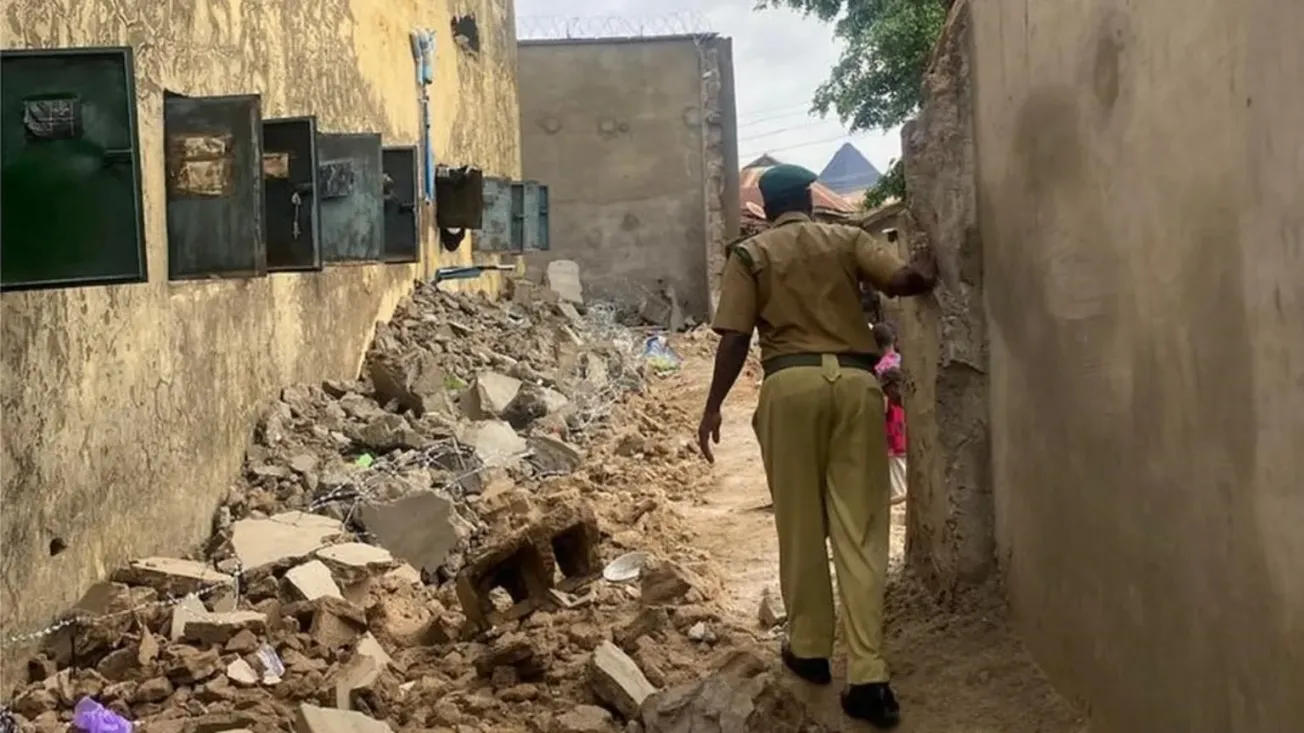
Authorities reported that 118 inmates managed to flee the colonial-era facility, although 10 have been successfully recaptured as of now.
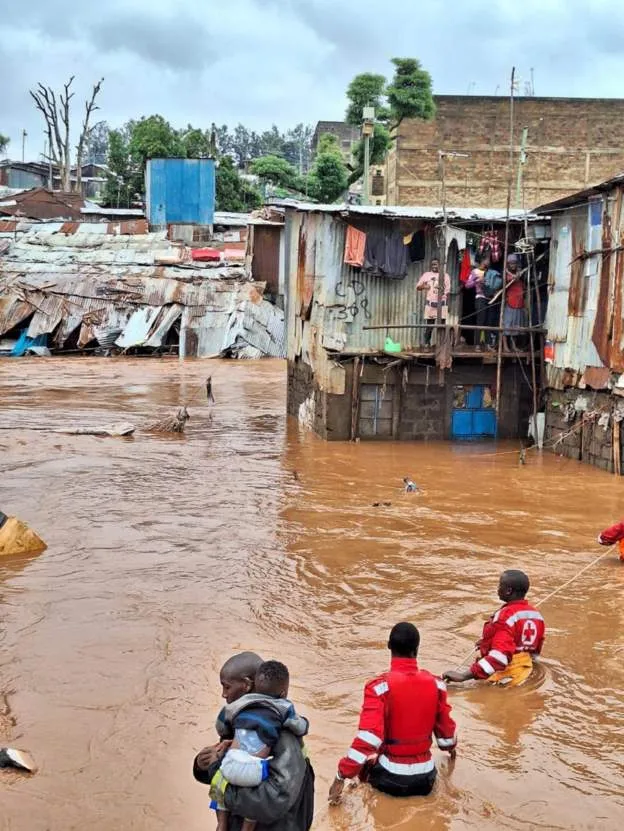
The senator sounded the alarm on the social media platform X, posting footage that shows a neighbourhood completely inundated by muddy floodwaters, with residents visibly trapped on rooftops.
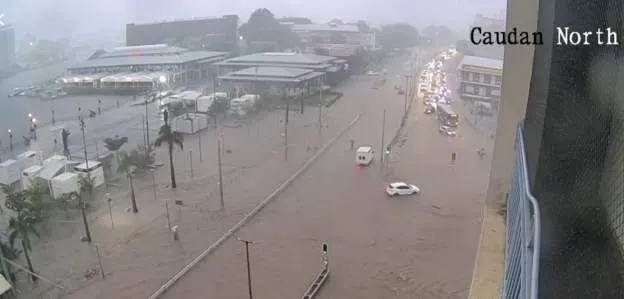
Albion, located in the west of Mauritius, recorded an astonishing 302mm of rainfall in a 15-hour period from 04:00 to 19:00 on Sunday, according to local meteorological reports.
The Kenyan environmental agency has given residents and local authorities a three-month preparation period before the new regulations are enforced.
"Last night's downpour has severely impacted hundreds of households along the Ngong River. The situation is dire, with water encroaching onto properties," a Red Cross spokesperson reported.
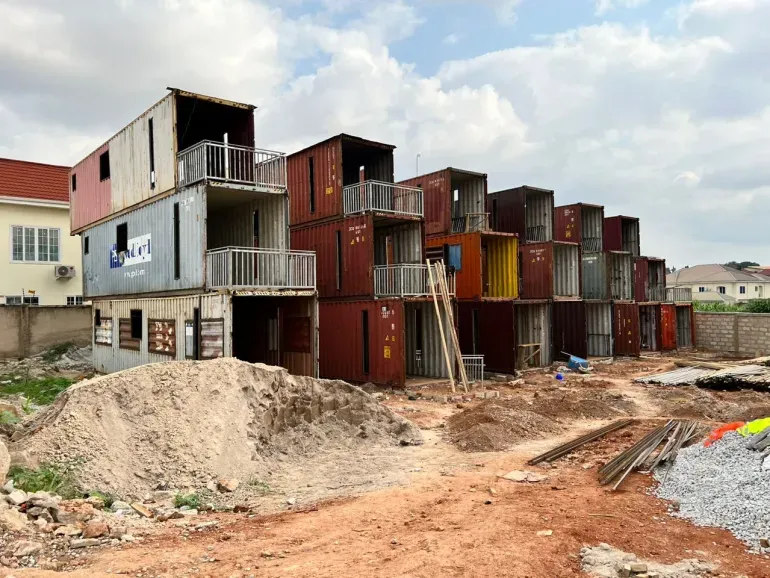
The affordability of these container homes, ranging from $7,000 to $35,000, presents a cost-effective alternative to traditional construction, which can cost up to $70,000 for a basic two-bedroom house.

This extreme weather crisis, which began in late March during the Islamic month of Ramadan, has already been linked to a surge in deaths, with local hospitals reporting alarming figures.
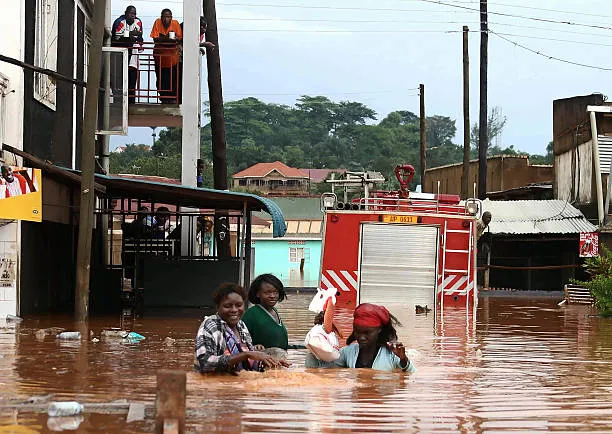
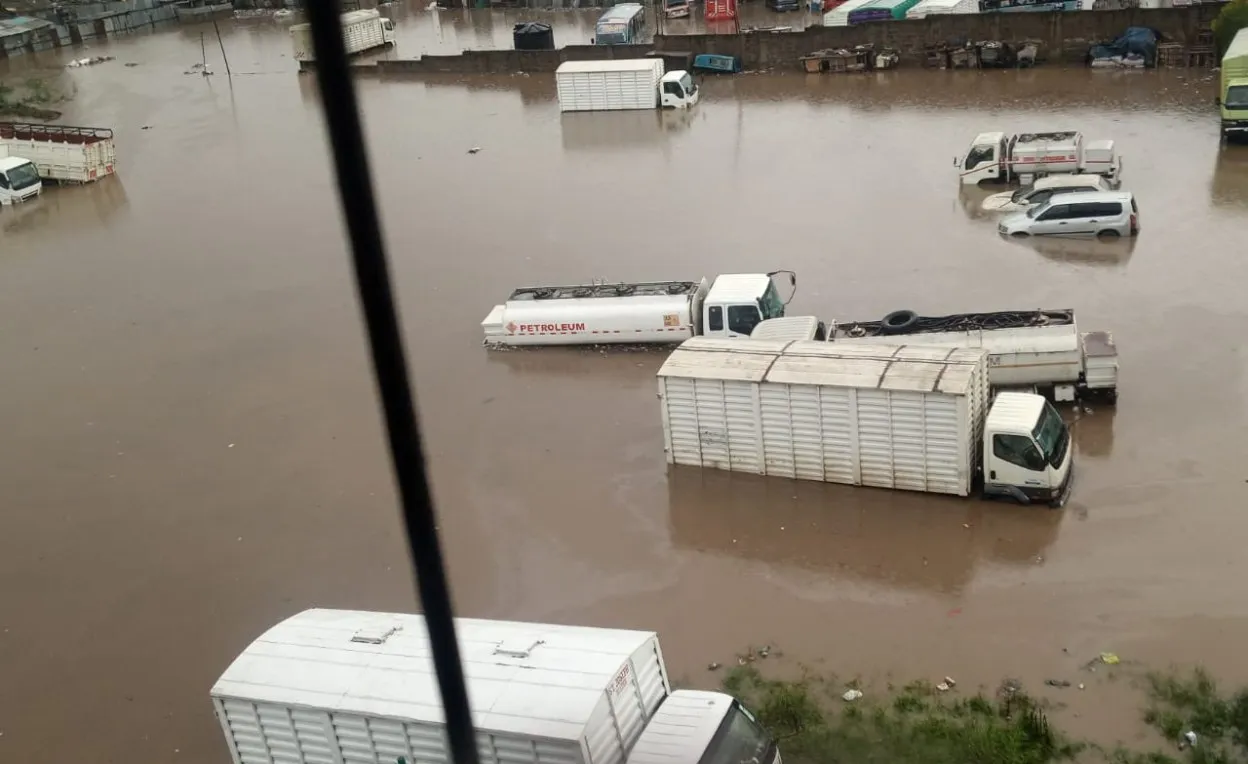
Following heavy rains on Monday morning, which persisted for approximately four hours, the situation has intensified with significant flooding and disruptions to traffic, exacerbating the ongoing challenges in the region.
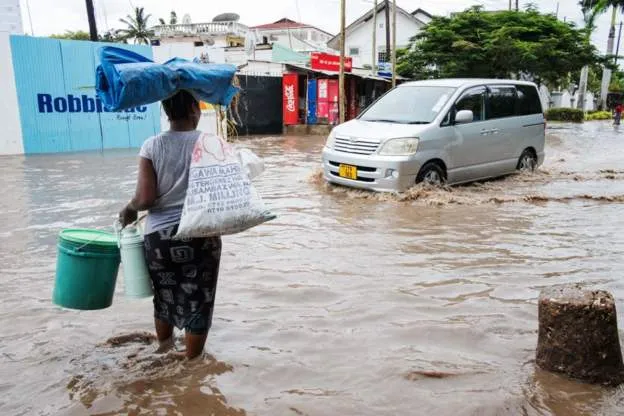
The coastal regions of the East African nation have borne the brunt of this natural disaster, with extensive damage inflicted on thousands of agricultural lands.
The floods have obliterated homes, farmlands, and infrastructure, leaving many in dire need of assistance and shelter.
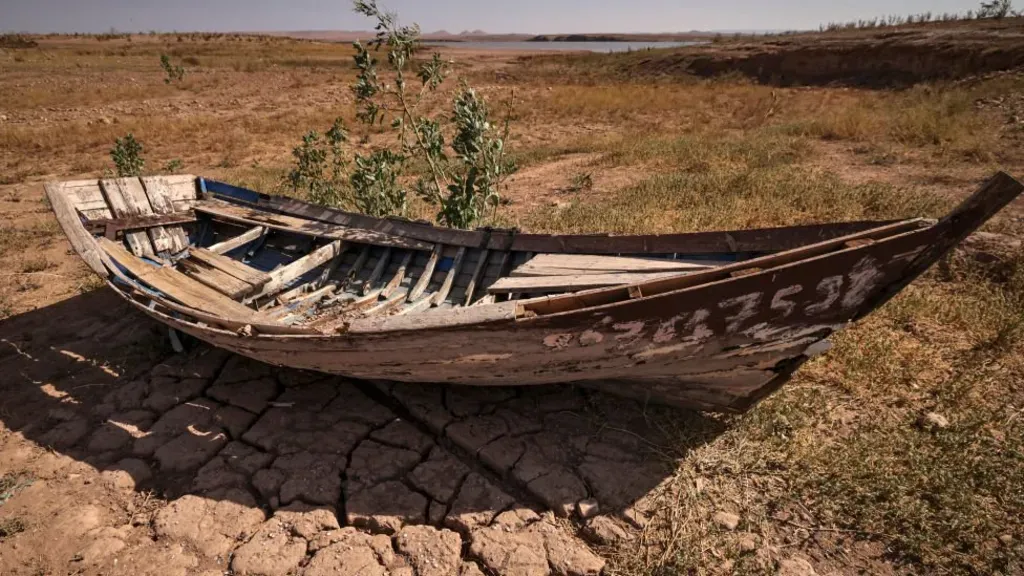
Professor Brian Thomas, a hydrogeologist who has analyzed these images for NASA, noted significant reductions in the reservoir’s surface area.