Table of Contents
1. Sudan rejects US chemical-weapons sanctions as illegal
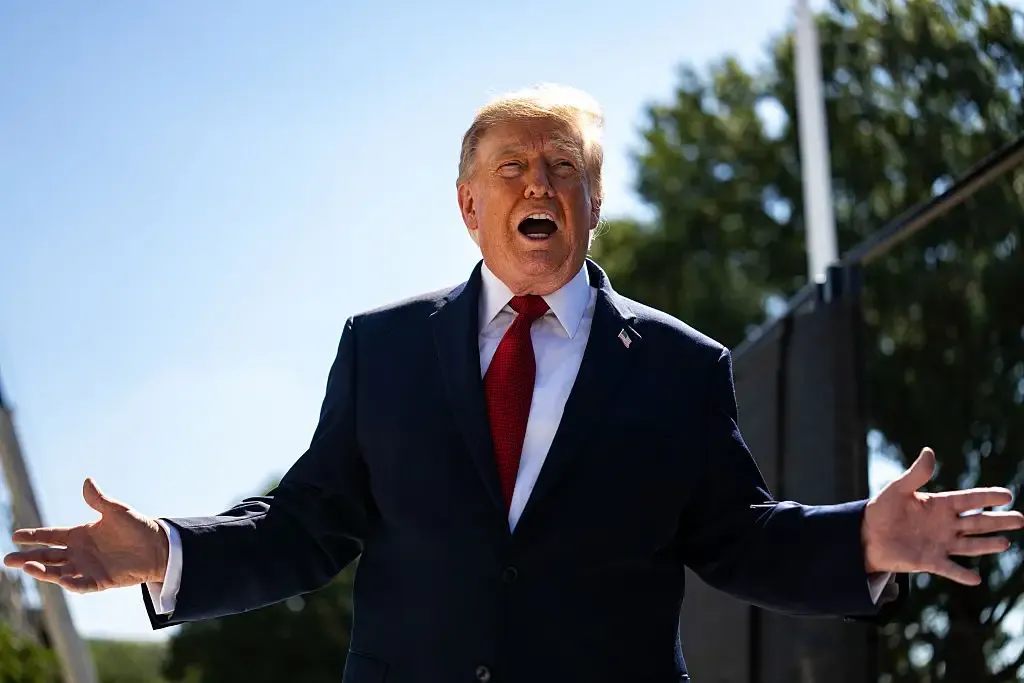
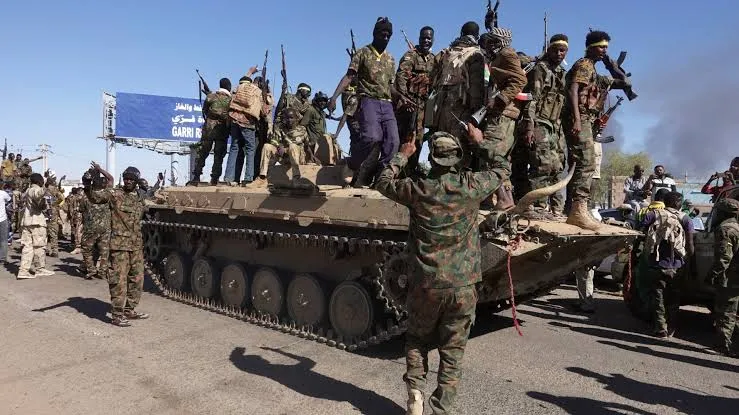
Sudan's foreign ministry yesterday rejected a second round of US sanctions that took effect the same day, imposed after Washington determined the Sudanese army used chemical weapons in its war with the Rapid Support Forces. Khartoum called the measures unilateral and unlawful, said the allegations are baseless, and insisted it neither makes nor holds such weapons. The sanctions block US backing for loans to Sudan through international lenders and tighten export restrictions.
Why it matters: Washington is moving from rhetoric to real economic pain just as Sudan's army had been gaining ground, and a chemical-weapons label, once it sticks, is hard to shed in any future peace talks. Khartoum's defiance is aimed as much at its Gulf and other backers as at Washington, since a formal determination could force fence-sitting states to choose a side. For a war the world has largely tuned out, this pulls outside powers back into the frame.
2. Faye takes over as ECOWAS chairman
Senegal's president Bassirou Diomaye Faye was elected chairman of ECOWAS this week at the bloc's summit in Freetown, replacing Sierra Leone's Julius Maada Bio. He inherits a bloc drained by the exit of Mali, Burkina Faso and Niger, which now run their own Sahel alliance. Former Senegalese defence minister Biram Diop takes over the ECOWAS Commission from September.
Why it matters: At 46 and elected on a sovereignty ticket, Faye is the leader most likely to get a hearing from the junta-led states that walked out, which is exactly why the bloc handed him the chair. His real task is to stop West Africa's split from hardening into a permanent divide that strands 72 million people outside the common market. For the diaspora, a working ECOWAS is what keeps the passports, trade and free movement alive.
Source: PM News / Telegraph Nigeria / Blueprint
3. A Paris court upholds a 27-year sentence for Rwandan ex-doctor Rwamucyo
The Paris Court of Appeal has upheld a 27-year prison sentence against Eugene Rwamucyo, a former Rwandan doctor, for his role in the 1994 genocide against the Tutsi. Prosecutors accused him of coordinating mass burials to conceal evidence and of backing the killings at a university gathering. He had appealed his October 2024 conviction, and prosecutors this time asked for 30 years.
Why it matters: More than three decades on, European courts are still closing in on genocide suspects who built quiet lives abroad, and each verdict tests whether time and distance can buy impunity. France, long accused in Kigali of sheltering fugitives, is using its own courts to answer that charge. For the Rwandan diaspora, these trials are less about one man than about whether the record can still be corrected.
Source: The New Times / France 24 / Pure Africa News
4. A stepped-up US anti-abortion push abroad raises health risks for African women
According to reports, an expanded United States campaign against abortion overseas is heightening health risks for women across Africa, as Washington's funding cuts hit reproductive and maternal care. Clinics that leaned on US money for family planning are scaling back services.
Why it matters: American culture-war politics are now reaching into clinics in Nairobi and Lagos, and the women who lose care will never surface in a Washington debate. The cuts compound a wider donor retreat, leaving African health ministries and private funders to plug holes they did not create. For a diaspora sending money home, this is one more service families will have to fund themselves.
Source: CNN
5. Morocco races to add 60,000 hotel beds for the 2030 World Cup
Morocco plans to expand hotel capacity by about 60,000 beds, roughly a fifth of its current total, before co-hosting the 2030 World Cup with Spain and Portugal, tourism minister Fatim-Zahra Ammor told reporters yesterday. The country is spending more than 190 billion dirhams, about $20 billion, on rail, roads, airports and stadiums. It drew nearly 20 million visitors in 2025 and targets 26 million a year by 2030.
Why it matters: Morocco is treating the World Cup as a down payment on a permanent tourism economy rather than a one-month party, which is shrewd for a country where tourism already pays a big share of the bills. The build-out also cements Rabat's bid to be Africa's gateway to Europe, backed by new air links and Gulf capital. The risk is overbuilding, since beds raised for 2030 still need filling in 2031.
Source: Reuters / Morocco World News
6. Museveni sacks six officials in a corruption purge
Ugandan president Yoweri Museveni earlier today dismissed six senior officials from the works and transport ministry and the Civil Aviation Authority over alleged procurement and governance irregularities. Those removed include three ministry engineers tied to major road projects and three aviation officials, among them the heads of contracts, airports and legal affairs. The sackings follow earlier suspensions over a costly expressway project.
Why it matters: Museveni has run Uganda since 1986, so a graft purge on his watch reads as much as a message to voters and lenders as a genuine cleanup, with an election cycle never far off. Road and airport contracts are exactly where Uganda's donors and Chinese financiers watch their money most closely. Whether the sacked officials face prosecution rather than quiet reassignment will show if this is reform or theatre.
Source: New Vision
7. ZANU-PF moves to keep Mnangagwa in power until 2037
A province of Zimbabwe's ruling ZANU-PF has called President Emmerson Mnangagwa to lead the party until 2037, days after he signed a constitutional amendment pushing the next elections from 2028 to 2030 and extending his term. Party officials in Harare said they would table the proposal at the next conference. Opposition parties are challenging the amendment in court.
Why it matters: A ruling party openly floating a leader-for-life timeline tells you the term extension was never the ceiling, and the courts are now the only brake left. Each stretch of the calendar freezes Zimbabwe's succession and prolongs the reform paralysis investors keep waiting out. The tell to watch is whether Mnangagwa's own deputies resist, since a 2037 horizon buries their ambitions too.
Source: The Herald
8. DR Congo's neighbours tighten Ebola border controls
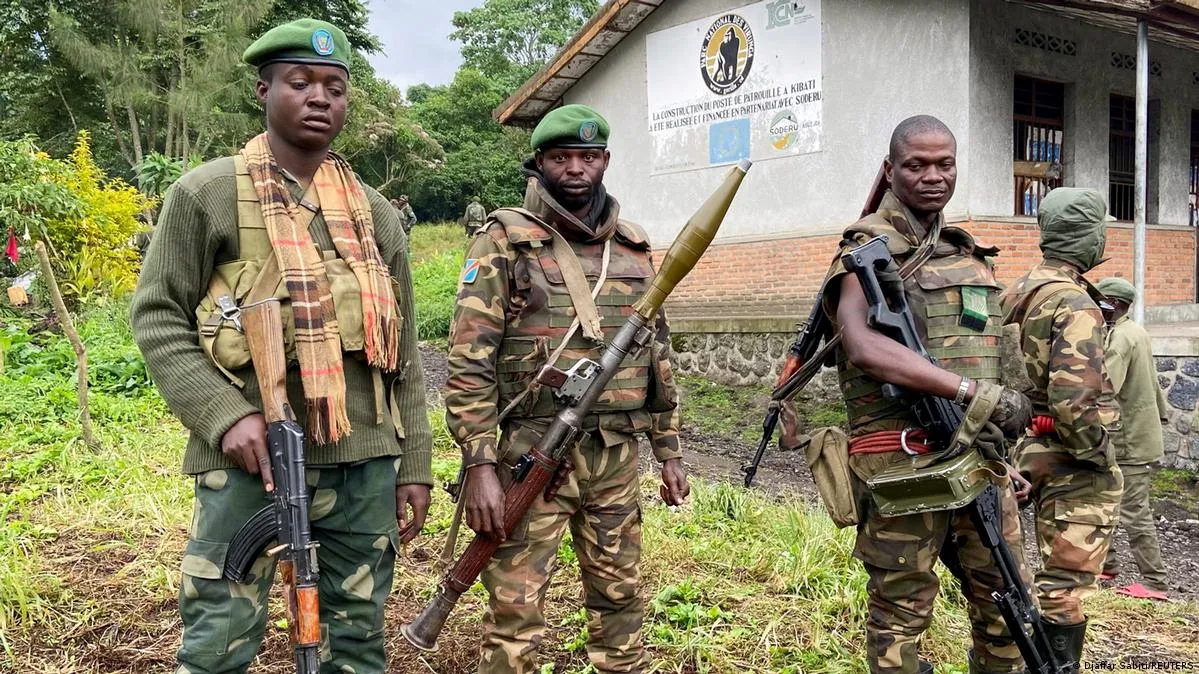
Uganda, Rwanda and Zambia stepped up border screening, surveillance and emergency response as the Democratic Republic of Congo's Ebola outbreak keeps spreading. The DRC has recorded 2,344 cases and at least 930 deaths since declaring the Bundibugyo outbreak in May, and the WHO says true infections could be four times higher. The East African Community and Africa CDC are coordinating the response.
Why it matters: An outbreak that jumps borders becomes everyone's problem fast, and the Bundibugyo strain has no approved vaccine or treatment, which is why neighbours are moving now rather than waiting. The scramble also exposes how thin regional health budgets run once donor money tightens. The figure to watch is cross-border cases, since a single missed contact can reset the clock on containment.
Source: NewsAfrica
9. Scientists trace the world's biggest diamonds to Africa's deep roots
New geological research on where the world's largest diamonds form points to the ancient, deep continental roots beneath Africa, in analysis published yesterday. The work links giant gems, including stones pulled from southern African mines, to conditions far below the surface.
Why it matters: Knowing where superlative stones form helps explorers decide where to dig, and Africa sits on much of the right geology. For countries whose budgets lean on diamonds, sharper targeting can be the difference between a fading mine and a new one. It also reframes a continent too often defined by what leaves it, since the value starts in the rock itself.
Source: allAfrica
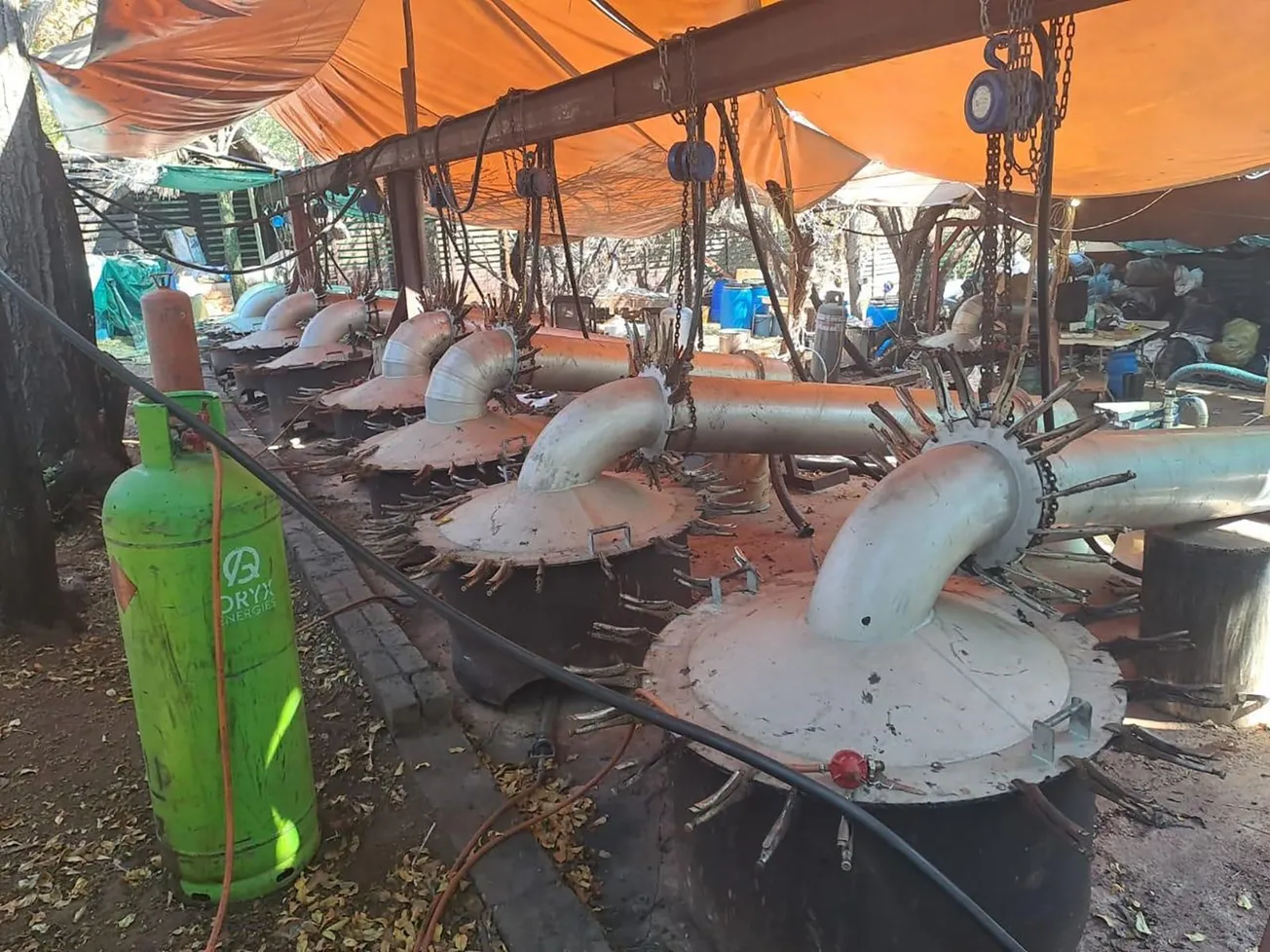
- Pablo Escobar-like drug stash discovered in South Africa
South African police have recovered drugs worth about 10 million rand from an apartment in Cape Town in a seizure linked to gang activity. The bust fits a broader crackdown on the Western Cape's entrenched drug and gang networks.
Why it matters: Cape Town's drug economy ranks among the most violent in the world, and each seizure is a small dent in a trade that funds the gangs and the killings that scar the Cape Flats. Stashed in an ordinary flat, the haul shows how deep the supply chains reach into residential streets. Real progress shows up in fewer bodies rather than bigger seizures.
Source: SABC News
Africa Today is The African Exponent's daily briefing on the continent as it is. Summaries are written by our editors. Click through to the original sources for full reporting.