Table of Contents
1. ECOWAS signs landmark agreement backing $25 billion Nigeria-Morocco gas pipeline
Member states of the Economic Community of West African States signed the Intergovernmental Agreement in Freetown, Sierra Leone, formally backing the African Atlantic Gas Pipeline. The 6,900-kilometre hybrid pipeline will carry up to 30 billion cubic metres of natural gas annually across 13 West African countries to Morocco and eventually into European markets, in what backers are calling the most ambitious regional energy infrastructure project in the continent's history.
Why it matters: The pipeline has been discussed for decades, and a signed IGA moves it from aspiration to bankable project. West Africa sits on enormous gas reserves that currently flare or remain stranded while the continent's own households lack reliable energy. Whether the pipeline feeds Europe or transforms domestic power grids depends entirely on the investment terms that come next. Getting 13 governments to sign the same document is the easy part. Getting them to agree on tariffs, transit fees, and who absorbs the loss when one country's section goes offline is the part that ends projects like this.
Source: Reuters / CNBC Africa
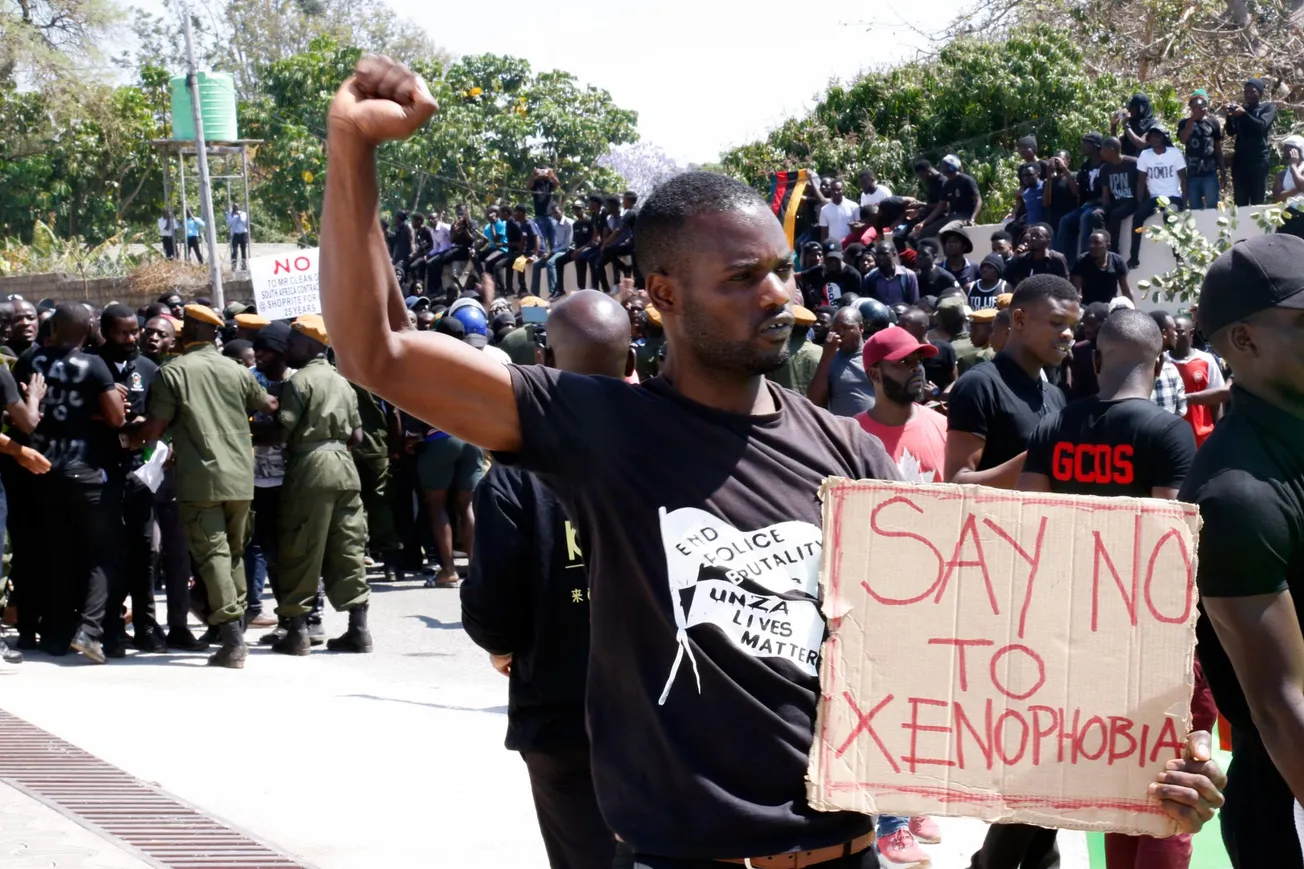
2. Nigeria and Ghana urge AU and African Court action over South Africa xenophobia
At the 69th ECOWAS Summit, Nigeria formally condemned the latest wave of anti-foreigner violence in South Africa and confirmed it has evacuated 1,490 of its citizens. Human rights lawyer Femi Falana and West African delegates called on member governments to take South Africa directly to the African Court on Human and Peoples' Rights, arguing that diplomatic protests have consistently failed to produce accountability or deter further attacks.
Why it matters: South Africa's recurring xenophobic violence has produced cycles of outrage, evacuation, and silence with no structural change. Taking the matter to a continental court would be unprecedented and would test whether African multilateral institutions can hold a member state accountable for failing to protect other Africans on its soil. Nigeria's evacuation figure, 1,490 citizens, is a policy failure that the continent cannot keep absorbing without consequence.
Source: Punch / The Nation
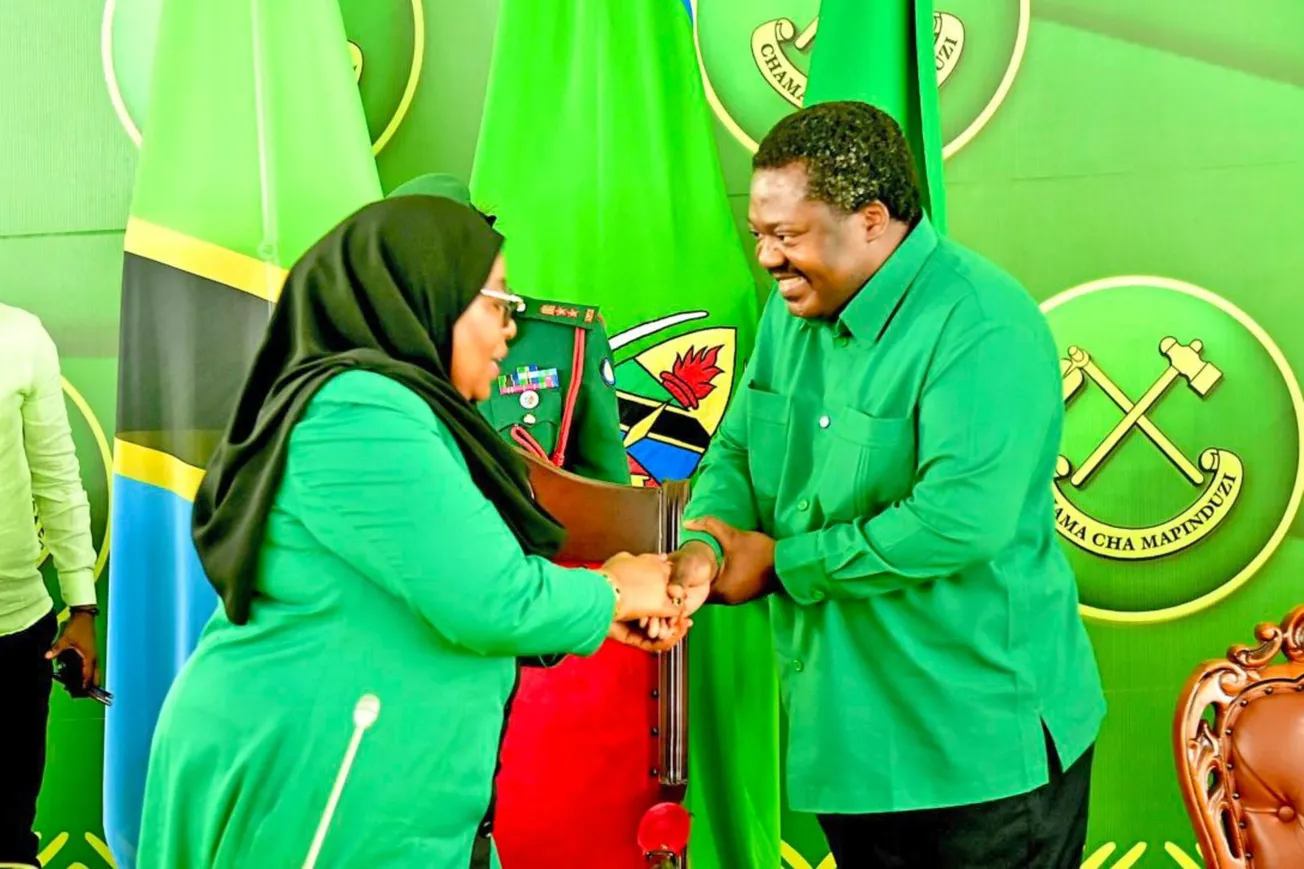
3. Senegalese President Bassirou Diomaye Faye elected new ECOWAS Chairman
Heads of state at the ECOWAS Summit elected Senegal's President Bassirou Diomaye Faye as the new Chairman of the regional bloc. Faye, who came to power in a landslide last year on an anti-establishment platform, now inherits the chairmanship of a bloc fractured by the withdrawal of Mali, Burkina Faso, and Niger into the rival Alliance of Sahel States, and by the broader question of whether ECOWAS can remain relevant to the region's most volatile corridor.
Why it matters: Faye is one of the few francophone leaders credible to both the democratic governments of the coast and the military-led states of the interior, which makes him either the right person to bridge the ECOWAS-AES divide or the obvious person to blame when he cannot. His chairmanship will be measured by whether he brings any of the three junta states back into diplomatic contact with the bloc, or whether ECOWAS consolidates as a club of coastal democracies with a hollow mandate in the Sahel.
Source: Anadolu Agency
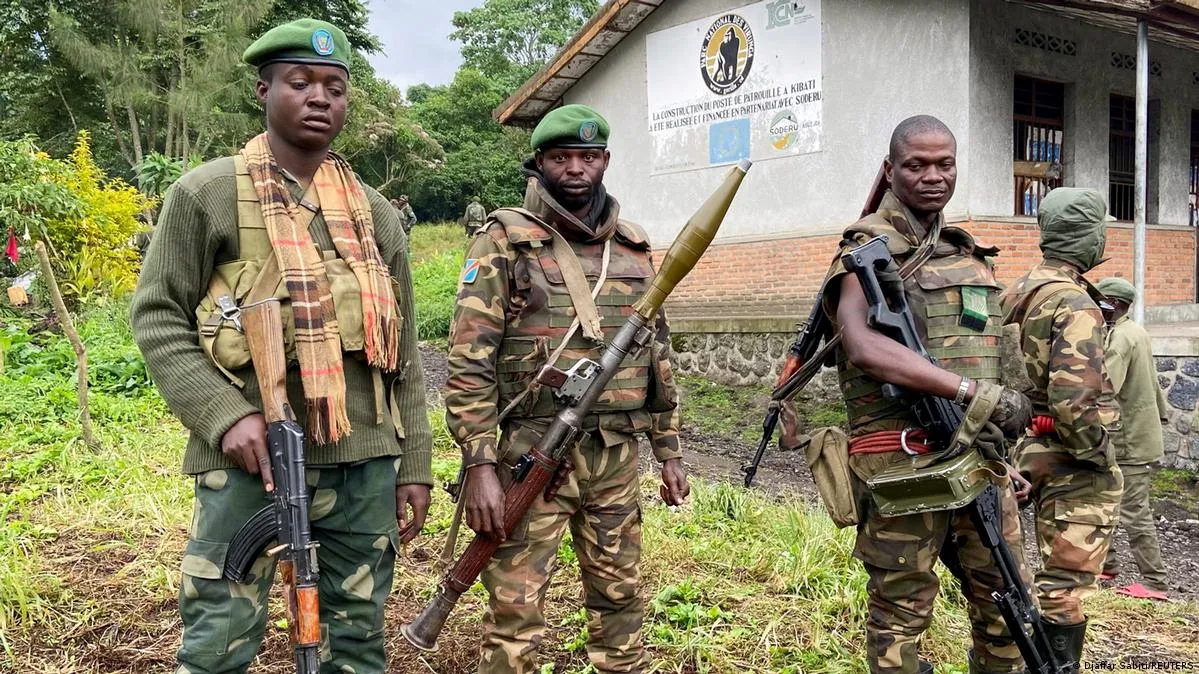
4. Malian army convoy ambushed in northern region amid heavy casualties
Rebel forces in northern Mali carried out a coordinated ambush on a military convoy along a key supply route linking major northern towns, killing and wounding soldiers in significant numbers. The attack comes despite years of military restructuring and the transition to Russian-backed Wagner Group support that followed the departure of French forces from the country.
Why it matters: Mali's military government built its domestic legitimacy on the argument that a harder, nationalist security posture would succeed where foreign-backed counterterrorism failed. Ambushes on supply lines the army needs to hold its own territory are the direct measure of that argument. Every convoy attack that goes publicly unanswered makes the junta's security narrative harder to sustain, which is why such incidents are rarely acknowledged in official communications.
Source: Africanews / Reuters
5. Central African Republic PM issues warning to armed groups after border attack
The Prime Minister of the Central African Republic issued a public warning to rebel groups operating near the border with Sudan, following a fatal raid on a frontier town that killed civilians and security personnel. Armed forces have been redeployed to secure trade routes in the area. The government has not named specific groups, but the warning follows sustained instability along the CAR-Sudan border corridor.
Why it matters: The CAR government controls the capital and little else with any consistency, and border towns are where that limit is felt most acutely. A prime ministerial warning without the military capacity to back it tends to function as an advertisement of weakness rather than a deterrent. The redeployment of forces is the detail that matters, and whether those units are sufficient, reliable, and able to hold ground will determine whether this statement carries any operational meaning.
Source: Africanews
6. Protests erupt in Addis Ababa over alleged forced conscription in Tigray
Demonstrators marched in Ethiopia's capital to demand federal intervention following reports of forced youth recruitment drives by regional forces in northern Tigray. Protesters and human rights groups say the conscription violates the 2022 Pretoria Peace Agreement, raising fears that the fragile ceasefire that ended one of the world's deadliest recent conflicts is eroding through quiet militarisation.
Why it matters: The Pretoria Agreement stopped the fighting but left demobilisation, disarmament, and accountability largely unaddressed. Forced recruitment reports, if verified, point to at least one party rebuilding military capacity under the cover of the ceasefire. Protests in Addis Ababa carry their own significance: they require people to publicly express a view the federal government may not welcome, which means frustration has crossed the threshold that quiet concern no longer contains.
Source: ENA
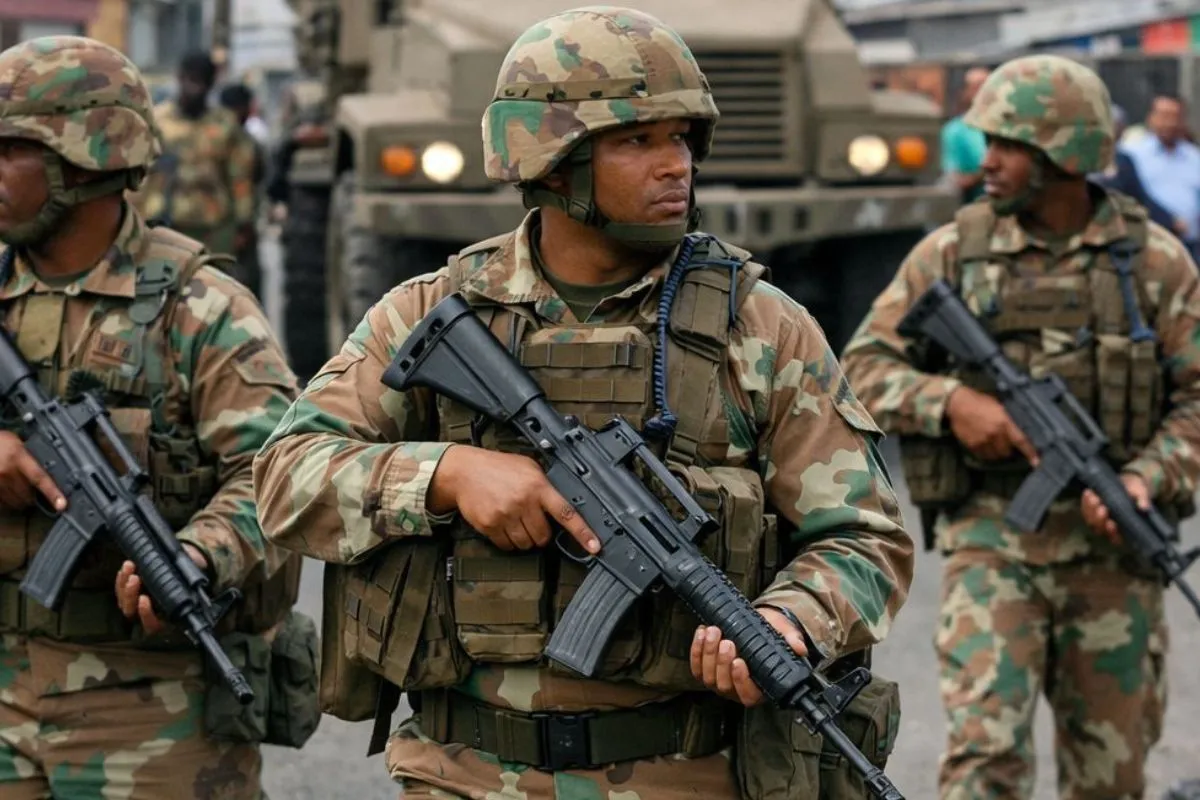
7. UN warns Security Council of insurgent expansion into West African coastal states
Briefing the United Nations Security Council, UN Special Representative Leonardo Santos Simão warned that Islamic State and al-Qaeda-affiliated armed groups are pushing south from the Sahel into coastal Gulf of Guinea nations, with Ghana, Togo, and Benin facing credible infiltration risks. Simão told the Council that the window for prevention is narrowing and that the international response has fallen behind the speed of the threat's geographic spread.
Why it matters: The coastal states have largely treated the Sahel crisis as a neighbour's problem. Simão's briefing is a formal notification that the buffer zone is gone. Ghana, Togo, and Benin lack the battlefield experience of Sahel states in fighting jihadist insurgencies, which means they face a steeper learning curve at exactly the moment when time is shortest. Security Council briefings of this kind rarely produce immediate action, but they create the diplomatic record that shapes what response is possible once the crisis becomes undeniable.
Source: United Nations
8. UNICEF issues crisis alert on child malnutrition in West Africa
UNICEF and regional humanitarian organisations reported a sharp increase in acute child malnutrition across northern Nigeria and the broader Sahel, driven by food price inflation, rising fuel costs, climate shocks, and ongoing displacement from conflict. The alert warns that without immediate expansion of therapeutic feeding programs, child mortality from malnutrition could reach levels not recorded in years.
Why it matters: Malnutrition crises arrive slowly and then kill quickly, and the combination of factors driving this one, conflict, climate, and economic deterioration, removes the usual assumption that a better harvest or a calmer season will correct the trajectory. Northern Nigeria alone contains tens of millions of people, and a worsening nutrition emergency there carries implications far beyond the region. The food systems underpinning West Africa's most populous nation are under stresses that no single intervention is currently addressing at adequate scale.
Source: UNICEF
9. Extreme heatwave and wildfires batter North Africa
Tunisia and Algeria recorded temperatures approaching 50°C, triggering forest fires across multiple provinces and straining power grids. Firefighting services in both countries declared emergency conditions, and authorities ordered evacuations in several regions. The fires have destroyed farmland and forest areas, compounding economic damage from what meteorologists describe as the most intense heat event the region has recorded in decades.
Why it matters: Temperatures near 50°C shut down outdoor labour, overload health systems, crash agricultural yields, and expose the gap between what ageing electrical infrastructure was built to handle and what the climate now demands of it. North Africa sits on the front edge of the climate crisis in a way that Southern European headlines rarely capture. For countries already managing debt, inflation, and political instability, a sustained heatwave of this scale functions as a fiscal and governance stress test with no scheduled end date.
Source: Meteo Algerie
10. Vote-counting underway in São Tomé and Príncipe presidential election
Citizens across the Gulf of Guinea archipelago went to the polls in a presidential election, with roughly 142,000 registered voters choosing among five cleared candidates. Election officials have begun counting ballots following a campaign focused on rising living costs, public debt, and constitutional governance. Observers from the African Union and the Community of Portuguese Language Countries are monitoring proceedings, with preliminary results expected within 24 hours.
Why it matters: São Tomé holds one of Africa's cleanest electoral records, and that record is itself a tradeable asset. Investors circling the country's untapped offshore oil and its position astride Gulf of Guinea shipping lanes treat a predictable, credible vote cycle as part of the pitch. A smooth result consolidates that positioning. A disputed outcome would cost the archipelago in the currency it can least afford to lose: its reputation for political stability.
Source: Reuters
Africa Today is a daily briefing on the continent as it is. Summaries are written by editors. Click through to the original sources for full reporting.