Table of Contents
In Summary:
- African royal regalia are not only ceremonial, they are historical archives of trade, conquest, and cultural identity.
- West African kingdoms like Ghana, Benin, and Mali feature some of the richest gold and ivory royal artifacts.
- North and East African royal houses, including Egypt and Ethiopia, preserve ancient crowns, jewelry, and imperial insignia with centuries of heritage.
- Southern African monarchies and kingdoms such as the Zulu and Swazi maintain powerful regalia traditions rooted in symbolism, authority, and continuity.
Deep Dive!!
Friday, 23 January 2026 – When global conversations about royal splendor turn to crowns, scepters, and ceremonial wealth, Europe often dominates the imagination. Yet, Africa’s royal traditions, rooted in centuries of sophisticated statecraft, spiritual authority, and artisanal excellence have produced regalia of immense cultural, historical, and material value. These symbols of monarchy are not merely ceremonial ornaments but embodiments of lineage, spirituality, and identity. This ranking highlights ten African countries whose royal regalia rival or exceed European crowns in cultural richness and significance.
Africa’s royal regalia traditions are as diverse as the continent itself, defined not by simple material value but by deep cultural, spiritual, and historical significance. Acient regalia like the coral-beaded crowns of Benin, the ceremonial jewels of Ethiopia, the Golden Stool of Asante and the monarchic robes of Morocco, showcases Africa’s regal heritage, and richly competes with (and in many ways surpasses) European crowns in meaning and artistry. These traditions deserve wider recognition and appreciation as foundational elements of a global cultural heritage.
In this article, we have ranked the top ten African countries with royal regalia and royal artifacts that are richer than many European crowns. As you would notice, a lot of these royal regalia are declared priceless. In compiling the list, we consulted already existing data and reports from the United Nations and UNESCO, as well as reports from independent collectors and experts. Dive in, to get a peep into the true wealth of African royalties.
10. Lesotho
Lesotho’s monarchy is one of Africa’s most respected and enduring institutions, deeply rooted in the country’s cultural identity. The Basotho royal regalia is centered on the Morena (King) and includes symbols of authority such as the Mokorotlo crown, traditional robes, and ceremonial staffs. The Mokorotlo, a woven straw hat, is not just a symbol of royalty but also represents the nation itself. In royal ceremonies, the king’s attire is adorned with intricate beadwork, royal cloaks, and traditional insignia that highlight the kingdom’s unique heritage and the royal family’s historical role as the unifying force of the Basotho people.
Lesotho’s royal regalia is highly respected because it reflects the kingdom’s long history of independence and cultural pride. The royal items are used during national ceremonies, cultural festivals, and official royal functions, reinforcing the monarchy’s spiritual and political significance. While Lesotho’s regalia may not be as widely known globally as some other African monarchies, its historical value, cultural symbolism, and the sacred status of the royal artifacts place it among Africa’s most regal traditions, standing alongside some of the richest royal crowns in the world.

9. Eswatini
Eswatini’s royal regalia reflects the kingdom’s deeply rooted traditions, cultural unity, and royal authority. The most significant symbols are worn and displayed during major national events such as the Incwala (First Fruits Ceremony) and the Umhlanga (Reed Dance). The King’s royal attire is rich in symbolic meaning, including traditional shields, ceremonial spears, and beaded garments that represent the strength and continuity of the monarchy. These regalia pieces are crafted with detailed beadwork and animal skins, often sourced through traditional methods that honor ancestral customs. In Eswatini, the regalia is not merely decorative, but a living cultural record of royal heritage and national identity.
Beyond the ceremonial clothing, the regalia also includes sacred objects such as the Sibaya, the royal enclosure where national decisions are made, and the incwala royal drums, which are considered spiritual instruments that connect the King to his people and ancestors. The incwala drums and royal standards are handled only by trusted royal attendants, emphasizing the sacred nature of these symbols. The King’s regalia is therefore not just a display of wealth, but a powerful representation of Eswatini’s cultural unity, spiritual authority, and historical continuity—making it one of the richest and most revered royal traditions in Africa.
8. Ethiopia
Ethiopia’s Solomonic dynasty, one of the world’s oldest continuous royal lineages, boasts regalia steeped in religious sanctity and ancient artistry. The Imperial Crown of Haile Selassie was crafted with gold, emeralds, and pearls and symbolised the unbroken connection between Ethiopian emperors and the Queen of Sheba’s lineage. The Ethiopian crown incorporated Christian iconography, reflecting the state’s historical position as a bastion of early African Christianity.
Religious regalia, including the Tabot (a sacred replica of the Ark of the Covenant), occupied a central place in imperial ceremonies. Treated with reverence, such objects were thought to confer divine legitimacy on rulers. Beyond sheer monetary value, these items possessed profound spiritual significance unmatched by many European counterparts.
Ethiopian regalia also included elaborate robes, sceptres and ceremonial shields, adorned with gemstones and intricate embroidery. These items are preserved in national museums and attract global scholarly interest for their craftsmanship and historical depth.
7. Kingdom of Dahomey (Republic of Benin)
The Kingdom of Dahomey (in present-day Benin) was famous for its royal regalia, particularly the King’s Beaded Crowns, which incorporated centuries-old coral beads symbolic of power and divine right. Coral, sourced through trans-Saharan and coastal trade networks, was more valuable on the West African coast than gold at times.
Royal ensembles featured a plethora of beadwork, including elaborate collars, chest ornaments, and bracelets, all representing lineage and spiritual authority. The centerpiece was often a multi-tiered coral crown, considered among the richest in West African regalia traditions.
European observers in the 18th and 19th centuries documented these items with awe, noting that the value was not just material but embedded in cultural memory and sacred tradition. Contemporary exhibitions in global museums showcase these sets as masterpieces of African art.
6. Asante Kingdom (Ghana)
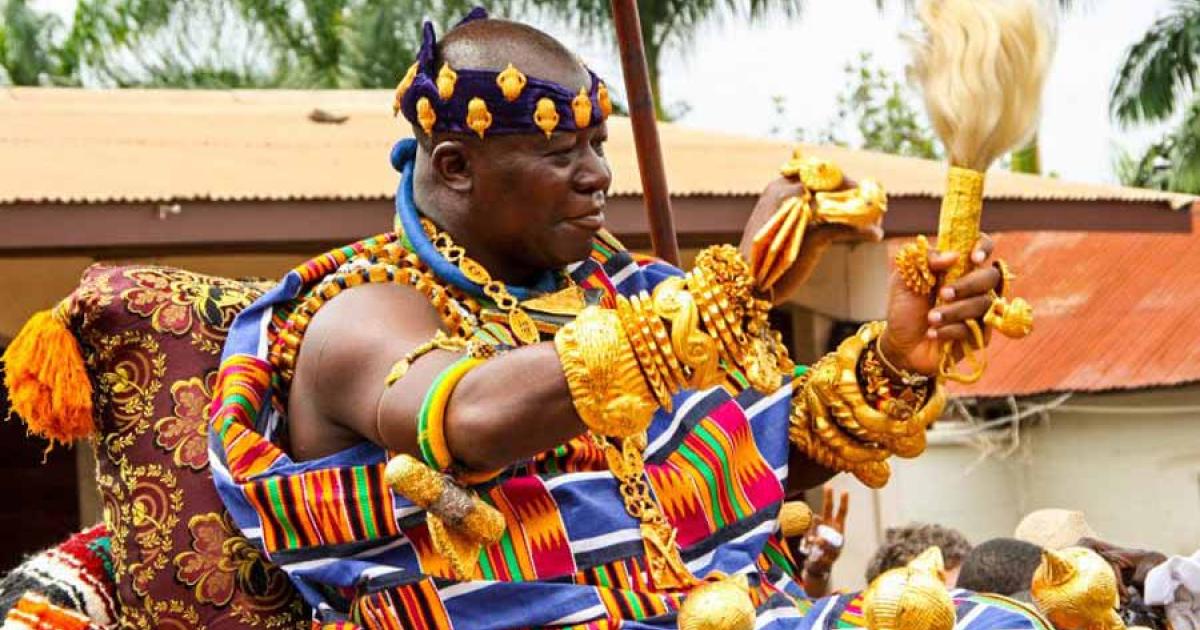
The Asante of modern Ghana cultivated some of Africa’s most renowned royal regalia, centred on the Golden Stool (Sika Dwa Kofi), believed to house the soul of the nation. Although not a crown, its spiritual centrality surpasses many European regalia in symbolic power. The stool, covered in gold and regarded as sanctified, represents unity, leadership, and divine ancestry.
The Asantehene (king) also wore richly adorned garments and jewellery incorporating gold dust, beads, and intricate Sesea cloth. Gold, an abundant mineral in the region, was transformed into bespoke regalia that reinforced the king’s divine authority and economic power.
European visitors in the 19th century documented the lavishness of Asante court ceremonies, noting the dazzling display of gold that outshone many European monarchies’ jewels. Today, the Golden Stool remains a national treasure and cultural emblem.
5. Kingdom of Buganda (Uganda)
Buganda’s royal regalia, centred on the Kabaka (king), reflects deep historical continuity and cultural aesthetics. The Kabaka’s crown and ceremonial robes are adorned with feathers, beads, and locally sourced ornamentation that signify ancestral lineage and spiritual protection.
Royal regalia include the Enyera (royal drum) and Oluggi (fan), both integral to coronation and ritual events. The craftsmanship blends woodwork, bead embroidery, and symbolism that encapsulate Buganda’s regal identity.
European perspectives often underestimated cultural value in favour of material value; yet, in Buganda, spiritual resonance transformed ceremonial items into priceless heritage objects. These artifacts continue to offer cultural insight and attract international interest.
4. Moroccan Monarchy
Morocco’s Alaouite dynasty, one of the world’s oldest ruling families, maintains regalia that reflect a convergence of Arab, Berber, and sub-Saharan traditions, tied into centuries of imperial governance. Moroccan coronation robes and ceremonial swords demonstrate elaborate gold and silk embroidery, enriched with gemstones.
The Moroccan imperial mantle and jewels incorporate Andalusian and Moorish design aesthetics, blending Islamic artistic sensibilities with royal symbolism, often compared to European regalia in both craftsmanship and historical continuity.
The royal jewels, including the famed Moulay Hassan necklace, are held in the Royal Palace’s treasury. They represent not only material wealth but also layers of cultural identity spanning North Africa’s historical kingdoms.
3. Kingdom of Oyo (Nigeria)
The Yoruba Kingdom of Oyo produced regalia known for its sophistication, symbolised most prominently by the Aare Ona Kakanfo’s ceremonial sword (Ida Iya Otu) and the king’s jeweled crown adorned with beadwork and cowrie patterns representing wealth and reverence. Cowrie shells, historically used as currency, amplified the symbolic and material value of these pieces.
Royal attire included multilayered cloth richly dyed and embroidered, reflecting centuries of artisanal mastery and courtly aesthetics. Oyo regalia was not merely clothing but encoded political and spiritual narratives that legitimised authority.
European traders and visitors in the pre-colonial era documented the dazzling intricacies of Oyo court displays, noting how they rivalled European luxury items in craftsmanship and cultural weight. Oyo’s ceremonial regalia remains emblematic of Nigeria’s deep cultural heritage and artistic resilience.
2. Kingdom of Kongo (Angola, DRC, Congo)
The Kingdom of Kongo’s royal regalia blended indigenous symbolism with imported luxury goods acquired through trans-Atlantic and Indian Ocean trade. Kongo kings wore coronation garments embedded with silk, gold threads, and decorative motifs reflecting spiritual authority and diplomatic stature.
Ceremonial items included beaded scepters, cloths featuring Christian imagery, and artefacts representing cosmological harmony. These regalia signified not only royal power but also the kingdom’s historical role as a major player in early global trade networks.
The famed Kongolese cross (nkisi) and other ceremonial icons were embellished with local materials and imported beads or metals, creating artifacts of rich symbolic and aesthetic depth.
Kongo regalia reflected a synthesis of African and European influences, yet retained uniquely African meanings, placing it among the most culturally rich royal ensembles in the world.

1. Kingdom of Benin (Nigeria)
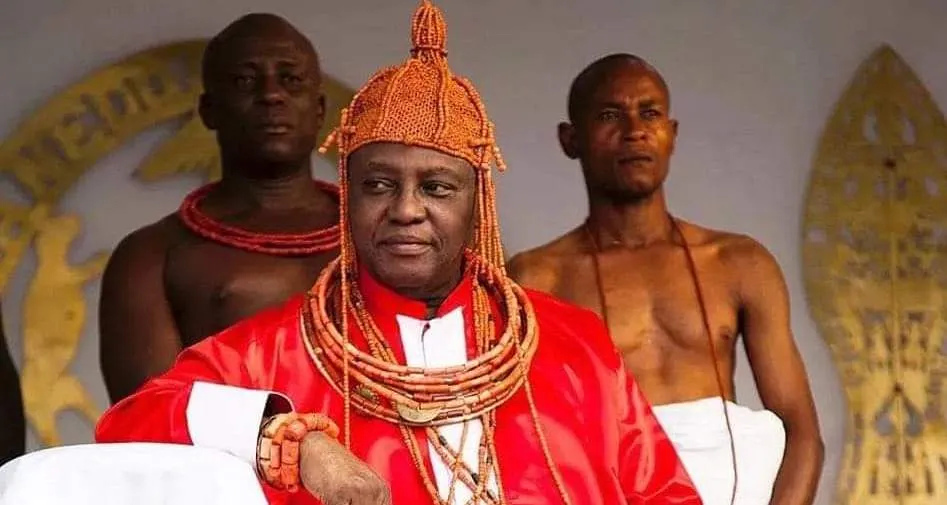
At the top of this ranking stands the Kingdom of Benin, whose court regalia proves both materially and symbolically richer than many European crowns. The Oba of Benin’s coral crowns and pendants are famed for their beauty and value, made from deep-sea coral traded across centuries through Atlantic and trans-Saharan networks.
Coral beads were historically more prized than gold in this region, symbolizing sacred authority and continuity of lineage. Benin’s crown ensembles were complemented by intricate ivory masks, gold-inlaid scepters, and coral-covered ceremonial staffs. The craftsmanship, cultural meaning, and historical depth of Benin regalia make it one of the richest traditions globally.
European observers in the 16th and 17th centuries remarked that Benin’s royal regalia rivalled the material wealth of Iberian courts, noting the complexity of coral beadwork and ceremonial protocol.
The kingdom’s regalia survives in palace collections and international museums, where ongoing efforts seek to return and reinterpret these treasures in their historical context.
We welcome your feedback. Kindly direct any comments or observations regarding this article to our Editor-in-Chief at [email protected], with a copy to [email protected].