Table of Contents
In Summary:
- Several African kingdoms engineered organized street-lighting systems using oil lamps, torches, and metal fixtures centuries before formal public lighting spread across Europe.
- These systems supported night markets, royal processions, security patrols, and urban planning, reflecting advanced governance and civic organization.
- Cities such as Benin, Timbuktu, and Meroë integrated lighting into palace roads and major streets, reinforcing political authority and social order after dark.
- The history challenges Eurocentric narratives by highlighting Africa’s early urban innovations and its contributions to global technological development.
Deep Dive!!
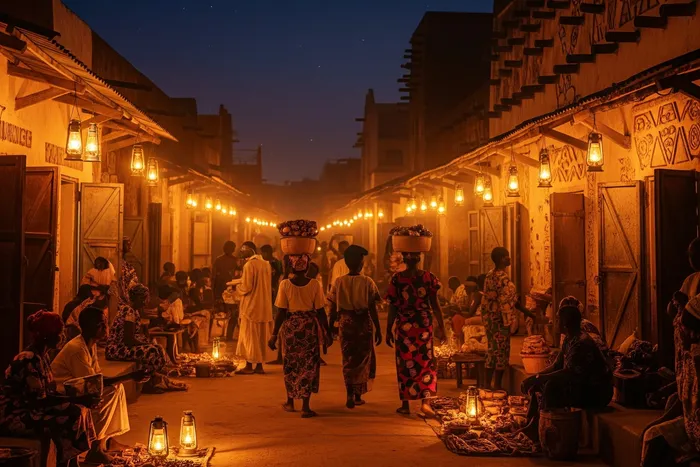
Thursday, 18 December 2025 – Long before modern electricity transformed European cities, several African kingdoms had already developed sophisticated systems to illuminate their streets, public spaces, and royal quarters. These lighting methods, which relied on carefully managed oil lamps, torches, and organized civic labor, were not symbols of luxury alone but reflections of urban planning, security consciousness, and administrative order. Far from the outdated stereotype of precolonial Africa as technologically static, historical records, traveler accounts, and archaeological evidence point to cities where night life, trade, and governance continued safely after sunset.
This article explores African kingdoms that achieved organized street lighting centuries before similar practices became common in Europe. Drawing on verified historical sources and scholarly documentation, it highlights how these innovations supported commerce, reinforced royal authority, and enhanced public safety. Ranked from 10 to 1, the list underscores Africa’s early contributions to urban civilization and challenges long-held assumptions about the global history of technological development.
10. Kairouan / Ifriqiya (Medieval Tunisia)
Kairouan was one of the great cities of early Islamic North Africa, an administrative and religious hub from the 7th century onward. Its medina and monumental streets around the Great Mosque were centres of civic life, and historical descriptions of North African medinas emphasise regular use of lamps and lanterns for mosques, markets and main thoroughfares at night. These lighting practices in Ifriqiya form part of the wider North African urban pattern of illuminated ceremonial and commercial streets long before comparable municipal systems were common in northern Europe.
Although direct municipal inventories of medieval Kairouan’s lamps are scarce, UNESCO and heritage accounts of the medina’s design and historic liturgical practices make clear that public lighting, particularly around major religious and commercial axes, was an accepted element of urban ritual and security. That tradition continued in later centuries as the region’s medinas maintained lamp and lantern customs.
9. Fez / Almoravid-Almohad Morocco
Fez’s medieval medina, one of the world’s largest continuous premodern urban centres, is documented as an intensely organised civic space with illuminated mosques and commercial quarters; later French colonial studies and modern heritage accounts note the continuity of lamp and lantern usages across centuries. Morocco’s imperial cities under the Almoravids and Almohads supported municipal infrastructures, public baths, paved streets and lit ceremonial ways, which travellers contrasted with darker, less-organised European towns of the same era.
Scholars of North African urbanism highlight how mosque-centred lighting and devotional lantern traditions contributed to safer and more active night streets in the medina, a pattern that echoes in Fez’s surviving urban fabric and in modern descriptions of the city’s medieval civic arrangements.

8. Marrakesh and the Almoravid/Almohad Capitals
Imperial Marrakesh, founded and expanded by North African dynasties such as the Almoravids and Almohads, was planned as a ceremonial capital with wide avenues, palaces and souks. Contemporary and later travel writing plus modern historical summaries note the presence of lamps and lit processional routes for rulers and religious festivals; that public illumination was part of courtly display and urban administration rather than ad hoc household lighting. Such sustained, organised night lighting predates many European municipal lighting systems.
The practical effect was both ceremonial and civic: lit principal ways improved mobility for couriers and night processions and signalled state capacity to manage urban space after dark. Marrakesh’s patterned use of lamped streets belongs to the larger medieval Maghrebi tradition of public illumination.
7. Córdoba / the Umayyad Caliphate in al-Andalus (North African dynastic link)
Although Córdoba lies on the Iberian Peninsula, its ruling Umayyad caliphs had close political, cultural and dynastic ties with North Africa; it is included here because the urban model that produced lit streets was shared across Maghrib-Andalus networks. Contemporary evidence and later scholarship record oil lamps lining Córdoba’s principal streets in the 10th century, a level of public lighting that astonished northern European visitors and chroniclers. Research on medieval Córdoba highlights paved, well-lit thoroughfares in a city famed for its civic amenities.
Medieval Cordoba’s public lighting has been noted by historians as part of a broader pattern in which large Islamic cities invested in civic comforts, baths, libraries, paved streets and illumination, that outpaced many contemporary European towns. For practical comparison, municipal street lighting in many European cities did not become routine until several centuries later.
6. Fatimid Cairo (Egypt)
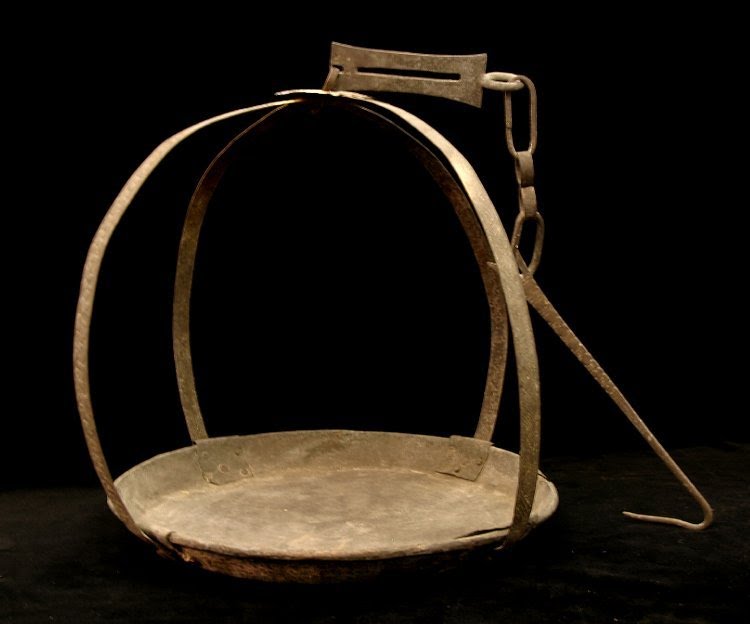
Fatimid Cairo, founded in the 10th century, developed Al-Muizz and other ceremonial streets that hosted markets, processions and religious life. Fatimid chronicles and later historians preserve traditions of lanterns and Ramadan fanous lighting; the Fatimid court is associated with purposeful illumination of major thoroughfares during festivals and official movements. This organised lighting, both civic and ritual, is well attested in Egyptian historiography and modern cultural histories of Cairo’s medieval streets.
The fanous (Ramadan lantern) tradition, while ceremonial, points to a longer civic habit of using lanterns and lamps in streets and mosques; historians draw a line from these medieval practices to Cairo’s later public-lighting customs. Accounts emphasise that for major holidays and processional events the Fatimid administration organised street illumination as part of urban spectacle and social order.
5. Kongo / early reports of organised urban lighting around court centres
West and Central African court cities such as the Kingdom of Kongo developed complex palace compounds and ceremonial avenues. European visitors and missionaries from the 15th–17th centuries reported orderly royal precincts with night activity around palaces; in some accounts the presence of controlled firelight and lamps for night processions and palace approaches is mentioned. These practices suggest premodern, organised illumination around centres of power in African polities, used for ceremonial and security purposes. Sources are traveller narratives and later historical syntheses.
While Kongo’s public lighting was concentrated around royal precincts rather than across whole urban grids, the evidence indicates deliberate state use of night illumination well before comparable municipal schemes in many European towns. That targeted, ceremonial lighting was a mark of state capacity and courtly display.

4. Timbuktu / Mali and Songhai empires (West Africa)
Timbuktu and other major Saharan trading towns in the Mali and Songhai eras were hubs of scholarship, commerce and ritual life, attracting caravans, scholars and travellers. Accounts of these cities stress night-time activity, study sessions, mosque gatherings and markets, and travellers record lantern use in mosques and households. While systematic municipal street-lighting registers do not survive, the dense, vibrant nocturnal culture of these cities implies organised illumination of key public spaces and caravan approaches that supported scholarship and trade after sunset.
Ibn Battuta and other chroniclers describe night activity in the great Saharan towns; the combination of mosque-centered study, caravan scheduling, and hospitality networks made practical lighting an urban necessity, particularly around the major mosques and market quarters.
3. Zanzibar Sultanate (Stone Town) 19th-century organised street lamps
Stone Town’s documented street lighting from the mid-19th century is an example of an African urban centre adopting organised street lamps that predate similar municipal efforts in smaller European towns. By the 1870s Stone Town had oil street-lights on principal avenues and harbour approaches, installed to serve trade, the sultan’s court and night markets. This is supported by local histories and museum records of Zanzibar’s urban innovations.
While later than the medieval Maghrebi examples, Zanzibar’s organised street lighting illustrates how African port polities adopted modern public illumination in tandem with commercial expansion, often ahead of provincial European towns outside the major capitals.

2. Benin City (Kingdom of Benin, Edo) Court lamps and palace illumination
European visitors lauded Benin City for its planning, drainage, straight streets and palace complexes. Several 16th–17th-century European accounts describe tall metal lamps fuelled by palm oil placed near palace precincts and along major approaches; modern historical overviews and reporting reiterate those observations, emphasising that Benin deployed purposeful night lighting around its royal centre as an aspect of urban order and state ceremony. The Guardian and other reputable outlets summarise these European traveller testimonies and archaeological assessments.
These palace and avenue lamps were not a full municipal grid but they represent organised, state-sponsored illumination in a major precolonial African capital at a time when many European cities lacked consistent public lighting. The testimony of visiting sailors and traders made Benin famous in European narratives for its civic order and lit ceremonial spaces.
1. The great medieval Maghrebi-Fatimid urban network
Taken together, the great medieval cities of the Maghreb and Fatimid Egypt provide the clearest, best-documented evidence that parts of Africa were routinely lit at night by civic or court practice centuries before municipal lighting became common in northern Europe. Scholarship and contemporary chronicles show that major axes in Cordoba, Cairo, Fez and Marrakesh were paved, policed and lit by oil lamps during the medieval period, and modern historians and heritage organisations highlight these practices as defining features of Islamic urbanism that contrasted with much of medieval Europe. For the broad claim that African urban systems implemented organised street illumination long before many European counterparts, the Maghrebi-Fatimid cluster is the strongest, best-sourced example.
Historians emphasise the civic logic: lighting aided night markets, religious observance, processional life and municipal security, and was often organised by mosque authorities, guilds or the city administration. The Financial Times and academic studies repeatedly point to these medieval Islamic lighting customs when comparing premodern urban living conditions across regions.
We welcome your feedback. Kindly direct any comments or observations regarding this article to our Editor-in-Chief at [email protected], with a copy to [email protected].