Table of Contents
What went down in New Delhi
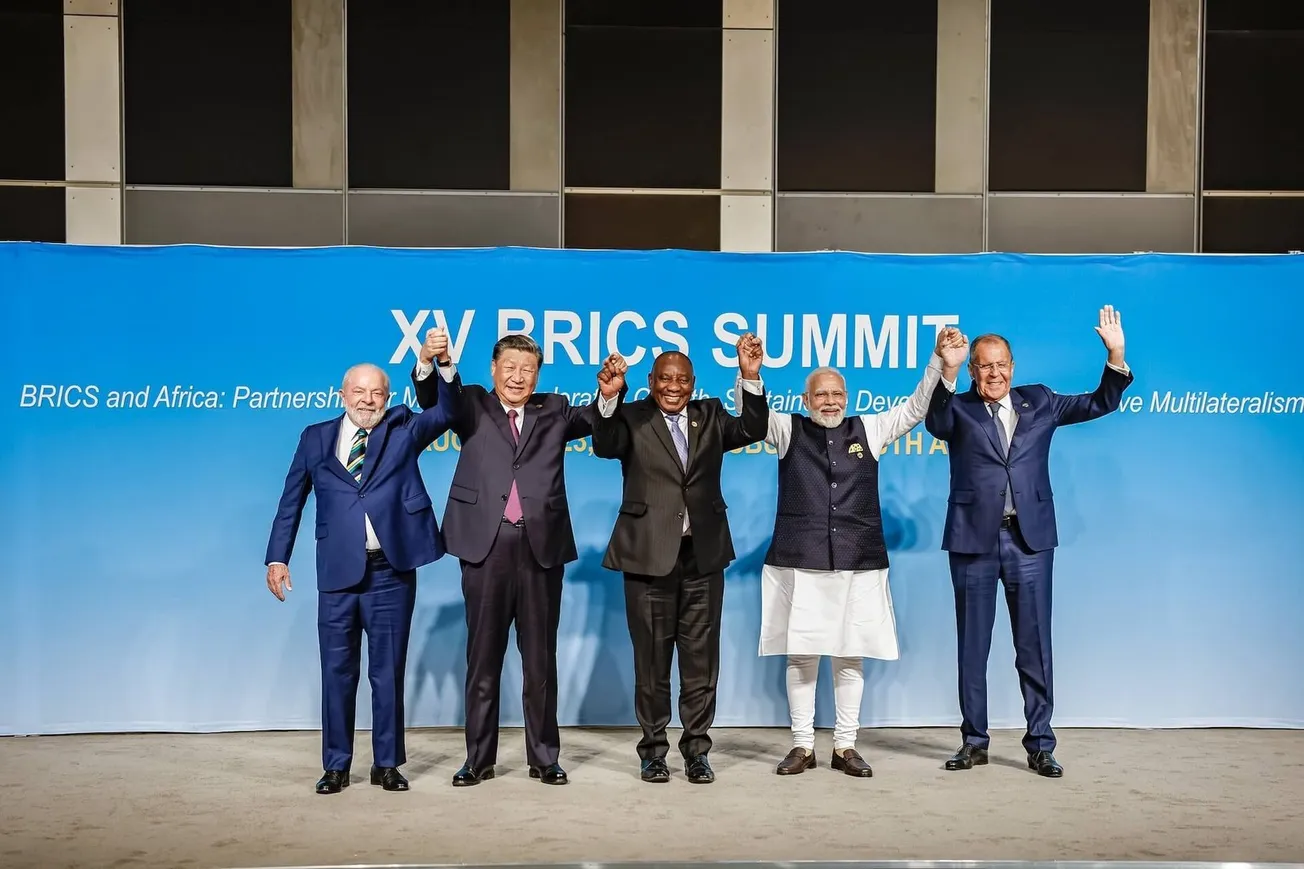
BRICS leaders met in New Delhi on September 12 and 13 for their 18th annual summit, and after months of internal disagreement, they pulled off something nobody expected. They agreed on a joint statement about the Middle East war.
That's a bigger deal than it sounds. Back in May, BRICS foreign ministers couldn't even get member states Iran, Saudi Arabia, and the United Arab Emirates to agree on wording, because those countries sit on opposite sides of the war that started when the US and Israel struck Iran in late February. India spent months working the phones to bridge that gap.
The statement that finally emerged expressed deep concern over the escalating conflict and called for maximum restraint from everyone involved. It condemned attacks on civilian infrastructure and on nuclear facilities under international safeguards. Chinese President Xi Jinping told the room the war serves nobody's interests. Indian Prime Minister Narendra Modi said old institutions can't run a changing world.
Africa was literally in the room
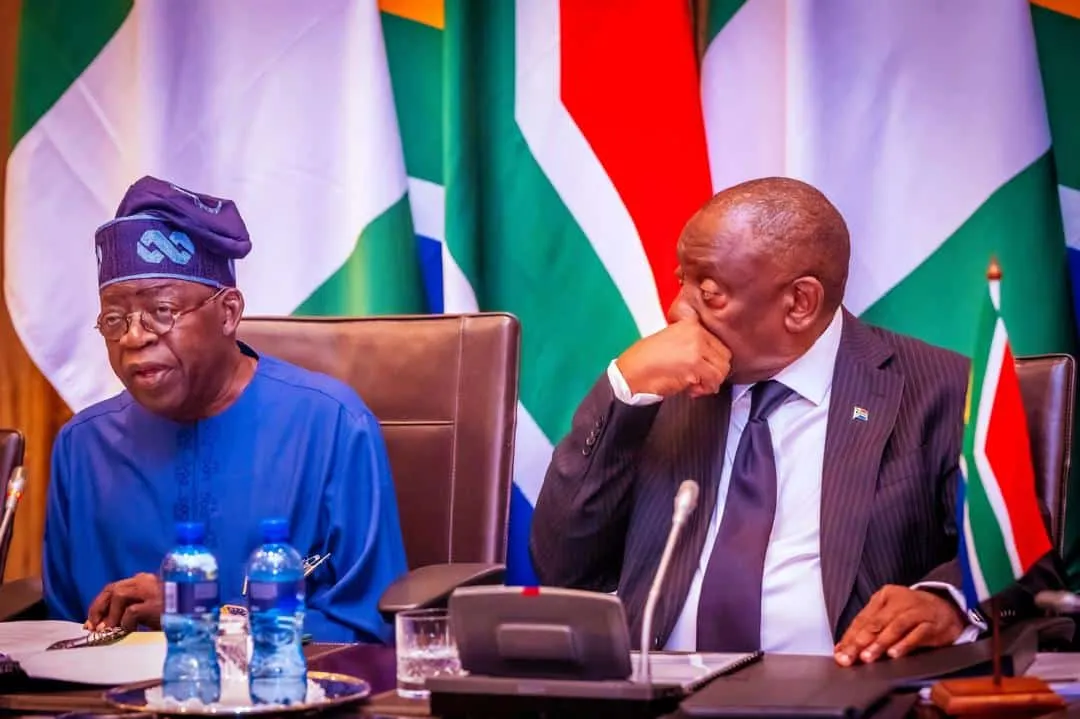
Here's the part that gets skipped in most coverage. Egypt's Abdel Fattah el-Sisi sat at that table. Ethiopia's Abiy Ahmed sat at that table. South Africa's Cyril Ramaphosa sat at that table. Three African heads of state helped shape a global position on a war in the Middle East, as full members of a bloc that now represents roughly 40% of the world's economy.
Why Africans should actually care about a war on another continent
This isn't just about diplomacy for its own sake. The statement specifically flagged the need to protect global trade, supply chains, and energy flows, and that line matters enormously for African economies still recovering from the last oil price shock this same conflict triggered. When tankers slow down in the Gulf, fuel prices spike in Lagos and Nairobi just as fast as they do in London.
Xi also used his floor time to call for African-relevant priorities that rarely make headlines outside summits like this: opposing sovereignty violations, rejecting protectionism, and defending the multilateral trading system built around the World Trade Organization. Those aren't abstract principles for a continent that has spent decades fighting for a fairer seat at the World Bank and IMF.
The question nobody's asking
If BRICS can pull three feuding oil powers into one sentence about restraint in the Middle East, what would it take to get that same coordinated global attention pointed at conflicts inside Africa itself? Sudan's war has displaced more people than almost any conflict on earth right now. The eastern Congo has been bleeding for years. Neither generated a joint statement from eleven of the world's most influential governments this weekend.
Maybe the uncomfortable answer is that a war becomes a global priority when it threatens oil prices and shipping lanes that wealthy and rising powers alike depend on, not simply because people are dying. If that's true, African leaders sitting inside rooms like this one carry a specific kind of leverage, and a specific kind of responsibility, to make sure their continent's emergencies get the same diplomatic muscle the next time the cameras are rolling.