Table of Contents
The passing of a spouse brings immense personal grief. But in the high-stakes arena of African geopolitics, the personal and the political constantly collide.
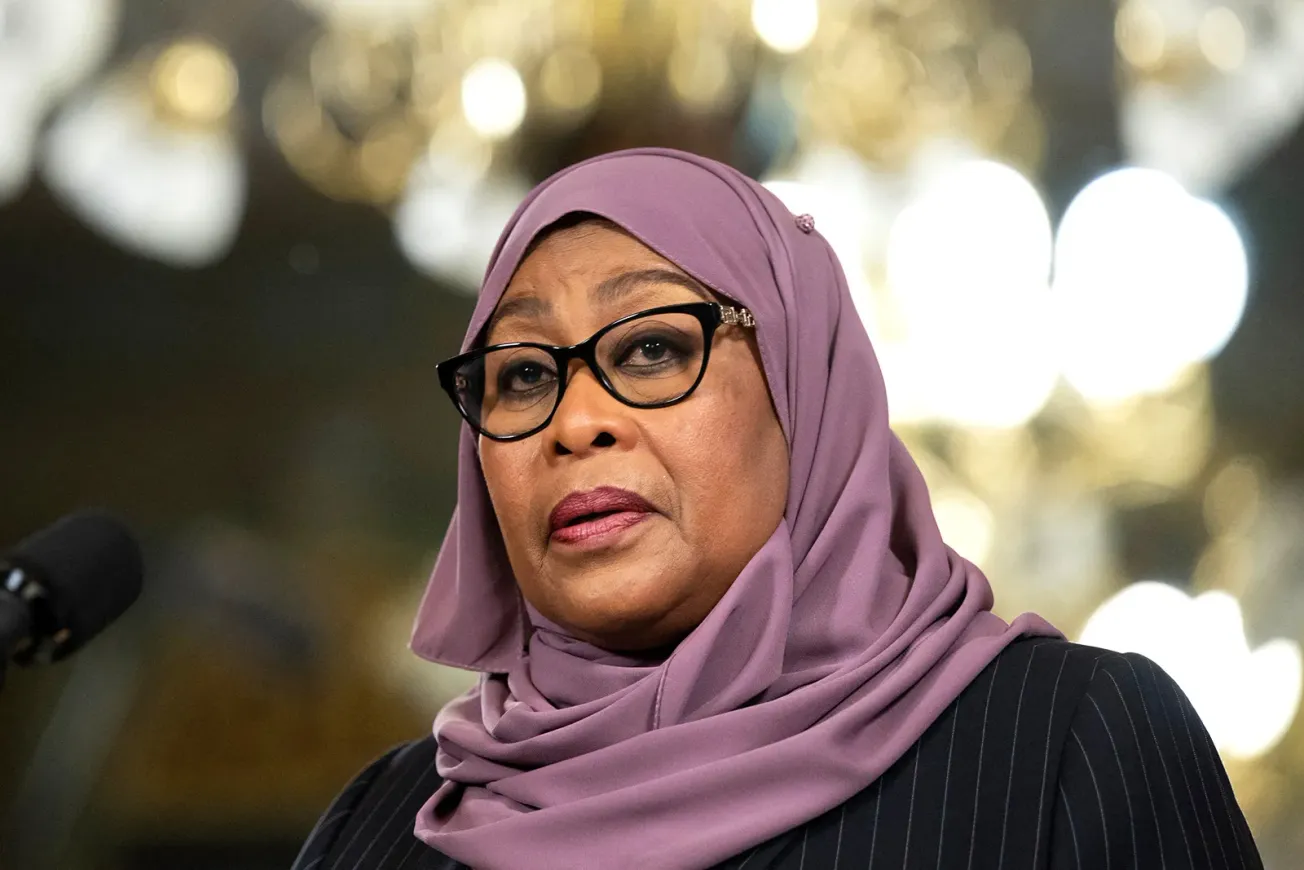
Women lead very few African nations, and President Samia stands as one of the most prominent female figures on the continent. Her leadership of East Africa’s largest country by landmass carries massive regional weight. When a male leader in Africa loses a spouse, state media usually frames it around domestic tragedy. When a female leader faces the same moment, the public lens shifts toward her personal resilience, her emotional fortitude, and her political survival.
The Low-Profile Partner Behind Africa’s Most Powerful Woman
Hafidh Ameir Hassan rarely sought the spotlight. While President Samia commanded international summits and navigated complex party dynamics inside Chama Cha Mapinduzi, Hafidh remained mostly in the background, working in agriculture and supporting their family.
Their marriage spanned decades, starting in 1978 long before Samia assumed public office. In a political ecosystem where spouses often command significant patronage networks, Hafidh deliberately chose the quiet route.
His subtle role highlighted a modern dynamic across the continent. Male partners of high-ranking female politicians in Africa must navigate complex social expectations, often balancing traditional patriarchies against their wives' supreme executive authority.
What This Means For The Continent
East African leaders like Rwandan President Paul Kagame rushed to offer public condolences, recognizing the political importance of solidarity in this moment. President Samia steers crucial regional infrastructure projects, trade corridors through the Port of Dar es Salaam, and security initiatives across East and Central Africa.
A personal blow like this hits right when East Africa faces mounting economic pressures, shifting democratic landscapes, and intense public scrutiny over governance. How President Samia manages her personal grief while maintaining absolute control over state affairs will define the next chapter of her presidency.
Are African nations actually built to support female commanders-in-chief through personal crises without questioning their authority?
That question hangs over the broader continent. Female heads of state face double standards regarding personal grief and political strength. Society expects them to show traditional vulnerability as wives while demanding bulletproof composure as heads of state. President Samia now navigates that razor-thin line before a global audience.